Select your Honda Civic year
3 results for Throttle Body
HYR
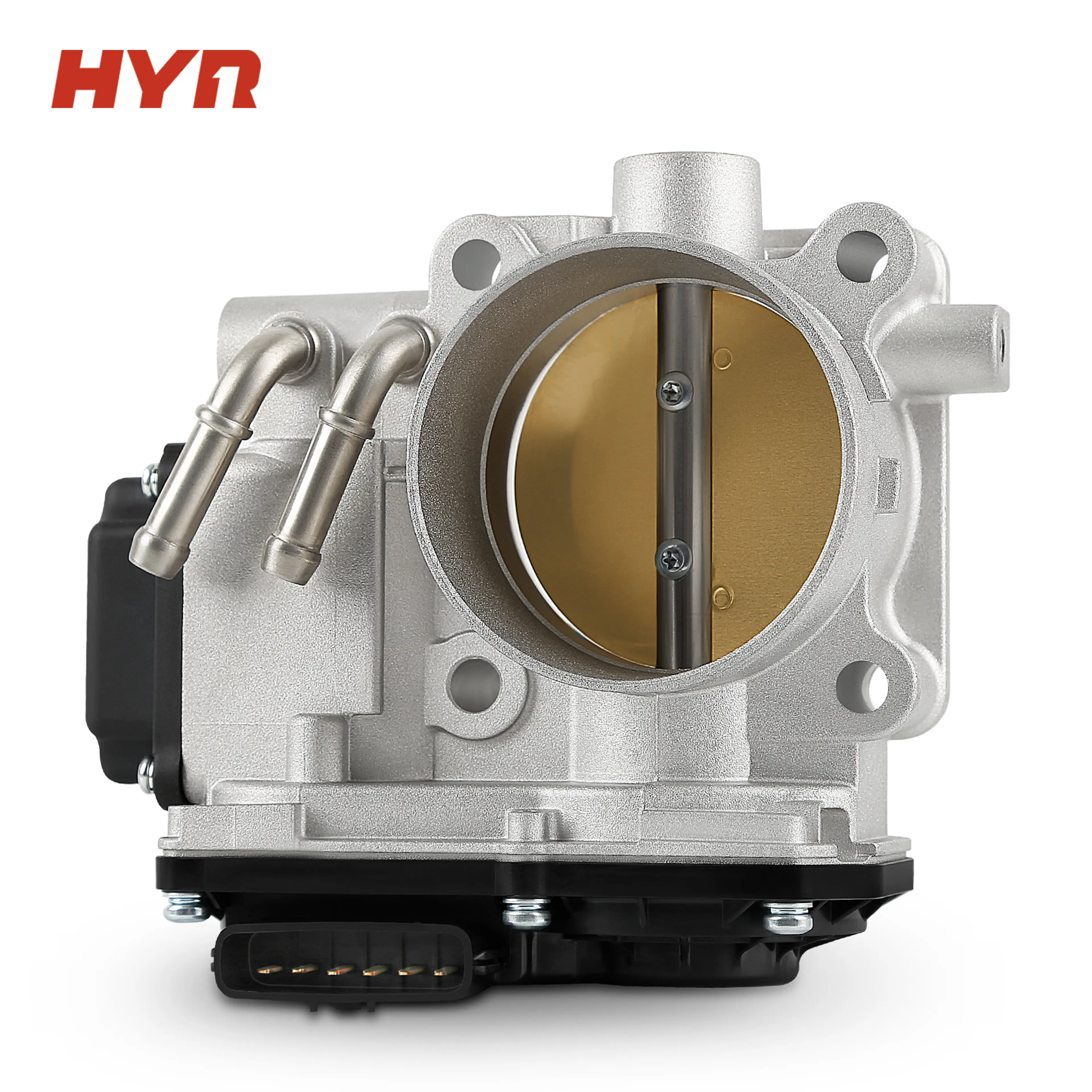
Throttle Body Assembly for 2012-2015 Honda Civic HYR4BA77
Item# : HYR4BA77
$ 88.99
- Fast Shipping
- Worry-Free Warranty
- Easy Returns
Check if this fits your vehicle
Item# : HYR4BA77
$ 88.99
Compatible
View
Warranty
2-Year
Quantity
1
Color
Silver
Housing Material
Aluminum
Idle Air Control Motor Included
No
Terminal Quantity
6
Throttle Body Actuation Type
Electric
Throttle Position Sensor Included
Yes
Item Located
United States
HYR
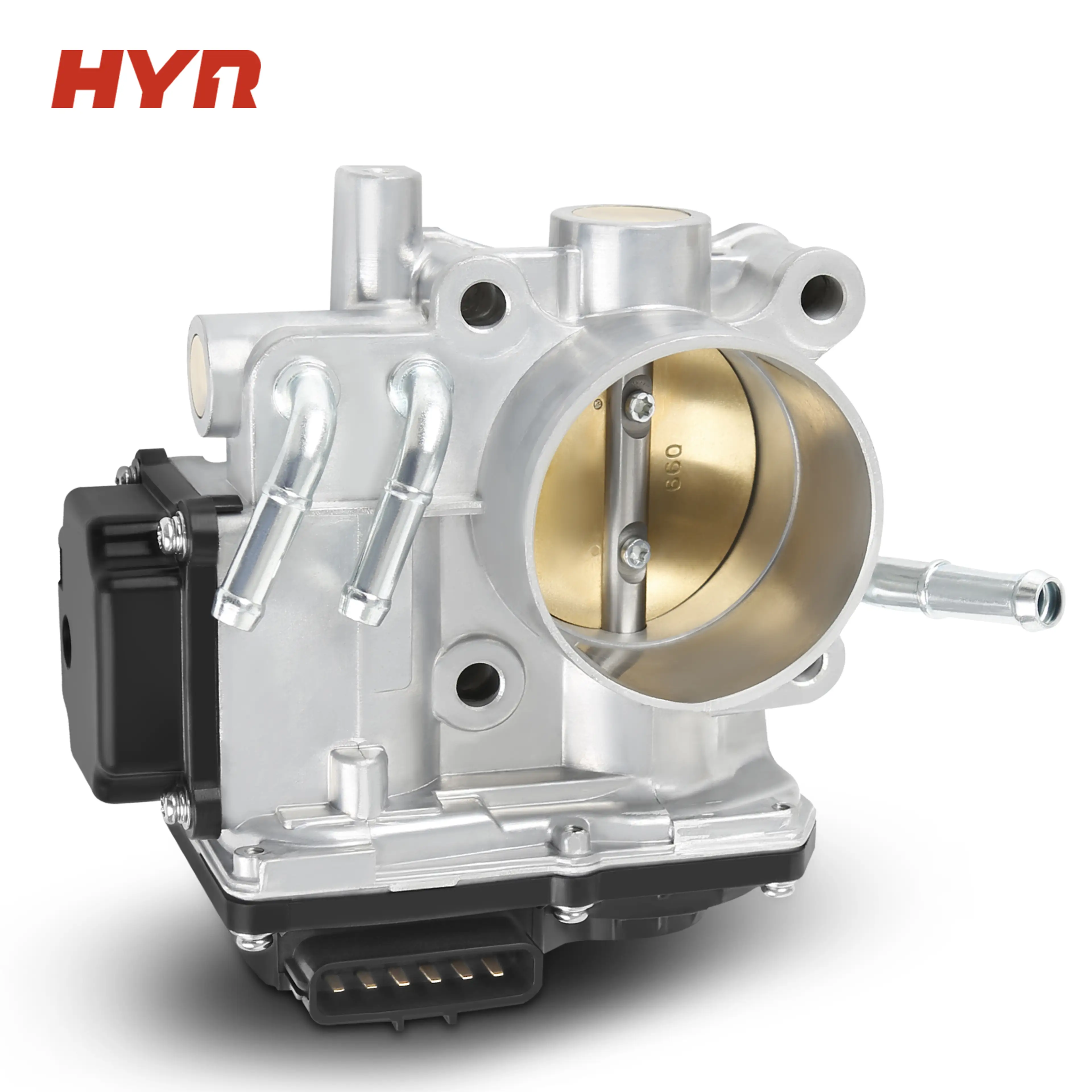
Throttle Body Assembly for 2006-2011 Honda Civic HYRF2MFY
Item# : HYRF2MFY
$ 113.99
- Fast Shipping
- Worry-Free Warranty
- Easy Returns
Check if this fits your vehicle
Item# : HYRF2MFY
$ 113.99
Compatible
View
Warranty
2-Year
Quantity
1
Material
Aluminum
Color
Silver
Gasket or Seal Included
No
Throttle Position Sensor Included
Yes
Connector/Terminal Type
Blade
Housing Material
Aluminum
Throttle Body Actuation Type
Electric
Terminal Quantity
6
HYR
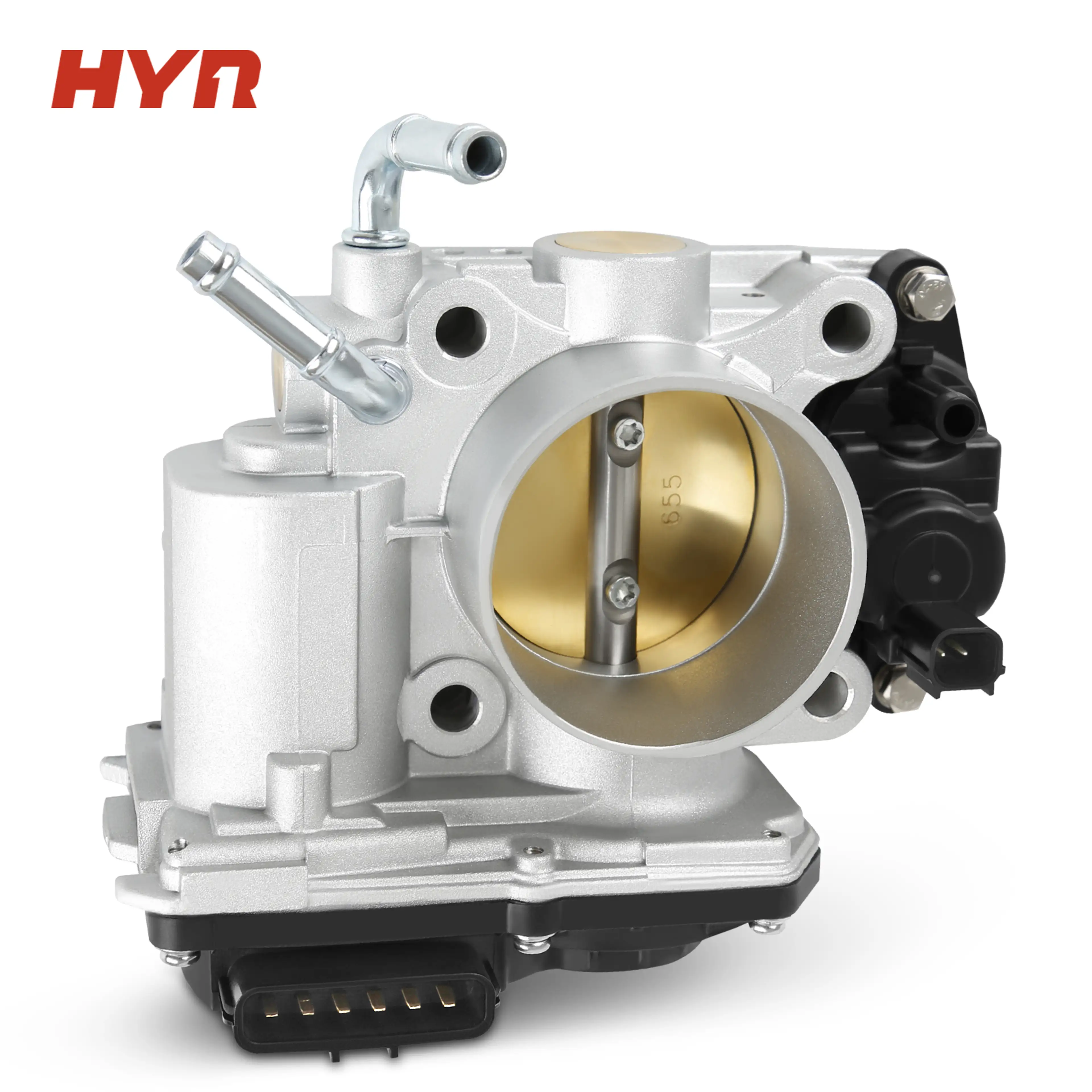
Throttle Body Assembly for 2006-2011 Honda Civic HYRSSZDF
Item# : HYRSSZDF
$ 133.99
- Fast Shipping
- Worry-Free Warranty
- Easy Returns
Check if this fits your vehicle
Item# : HYRSSZDF
$ 133.99
Compatible
View
Warranty
2-Year
Quantity
1
Material
Aluminum
Gasket or Seal Included
No
Throttle Body Inlet Shape
Round
Throttle Position Sensor Included
Yes
Throttle Body Outlet Shape
Round
Terminal Quantity
6
What is a Throttle Body?
If you’ve ever pressed the gas pedal and noticed how your car responds, the throttle body plays a major role.
It sits between the air intake system and the engine, controlling how much air flows in. More air gives you more power, less air slows the engine down.
Modern cars use electronic throttle bodies. They include a sensor, often called a position sensor, which communicates with the engine control system. This setup gives smoother acceleration and better fuel efficiency compared with older mechanical systems.
How do Throttle Bodies Work?
When you press the accelerator, the throttle body opens a plate inside the assembly. This lets air into the engine, where it mixes with fuel from the injector. The engine then burns the mixture for power.
With electronic throttle bodies, sensors and the engine control unit handle everything. If there’s a problem, you may notice hesitation, delayed response, or uneven acceleration.
People often compare throttle body vs carburetor. Unlike carburetors, throttle bodies rely on electronic control for more precise airflow management, which improves performance and fuel efficiency.
What are the Throttle Body Symptoms?
A dirty, clogged, or bad throttle body usually shows some signs before failing completely. Watch for:
- Rough idle when stopped
- Sluggish acceleration
- Delay between pressing the pedal and engine response
- Stalling
- Decreased fuel efficiency
In many cases, carbon buildup restricts airflow. A faulty sensor or worn gasket may also cause problems and lead to replacement.
Can I Replace my Throttle Body myself?
Yes. For many vehicles, DIY replacement is realistic. Most modern throttle bodies come as a complete electronic assembly that bolts directly onto the engine. With basic tools and clear instructions, installation can be done at home.
That said, some vehicles require a throttle relearn procedure, and electronic components need careful handling to avoid engine codes. Doing it yourself can lower the replacement cost, while professional service offers added peace of mind.
Shop Quality Throttle Body at HYR
HYR offers reliable throttle bodies that fit your car precisely. Whether you need a replacement after years of wear or upgrading during routine service, our parts are high-quality and competitively priced.
We cover popular vehicles, including Honda Civic and Dodge Avenger. You can shop with confidence and get your engine running smoothly again. Our goal is to help you find the best throttle body for your needs.
FAQ
What’s the Difference Between a Throttle Body and a Carburetor?
A throttle body and a carburetor both control airflow into your engine, but they operate differently. Carburetors, found in older cars, mix air and fuel mechanically. Throttle bodies, on the other hand, use electronic control and sensors to manage airflow precisely. This allows for smoother throttle response, better fuel efficiency, and reliable performance with modern injector systems. Understanding this difference is helpful when comparing maintenance needs or diagnosing engine problems.
Can a Faulty Throttle Body Cause my Check Engine Light to Come On?
Yes, a malfunctioning throttle body can trigger the check engine light. If the throttle body or its sensor detects inconsistent airflow or mechanical issues, the engine control unit may log an error code. Typical causes include a dirty or clogged throttle body, a faulty position sensor, or electrical problems in the assembly. Checking the throttle body first can prevent further engine damage and costly repairs, and sometimes cleaning is enough to resolve the issue. If not, a proper replacement is recommended.
How Do I Know if my Throttle Body Needs to Be Cleaned?
You may notice rough idle, hesitation when accelerating, or reduced fuel efficiency. These signs often point to restricted airflow caused by carbon buildup. A dirty throttle body can also affect sensor readings and throttle response. Regular inspection and service can help prevent more serious problems later.
How Much Does the Throttle Body Replacement Cost?
The cost of a throttle body replacement depends on your vehicle, the brand, and whether you choose a new, remanufactured, or aftermarket unit. For most cars, parts range from $180 to $350, while professional service costs can add $150–$300 for labor. Choosing to replace it yourself can save money, but you’ll need to handle electronic control units and sensors carefully. Always confirm vehicle compatibility before purchasing.
How to Clean a Throttle Body?
Cleaning a throttle body is straightforward if you follow the right steps:
- Remove the throttle body from the air intake system.
- Spray throttle body cleaner or cleaning spray on the plate and inside the assembly.
- Gently wipe away carbon buildup using a soft cloth or brush.
- Reinstall the throttle body and reset the position sensor if necessary.
Cleaning helps restore airflow, improves engine performance, and can extend the life of your throttle body. If the gasket or electronic parts are damaged, cleaning alone won’t fix the problem.