
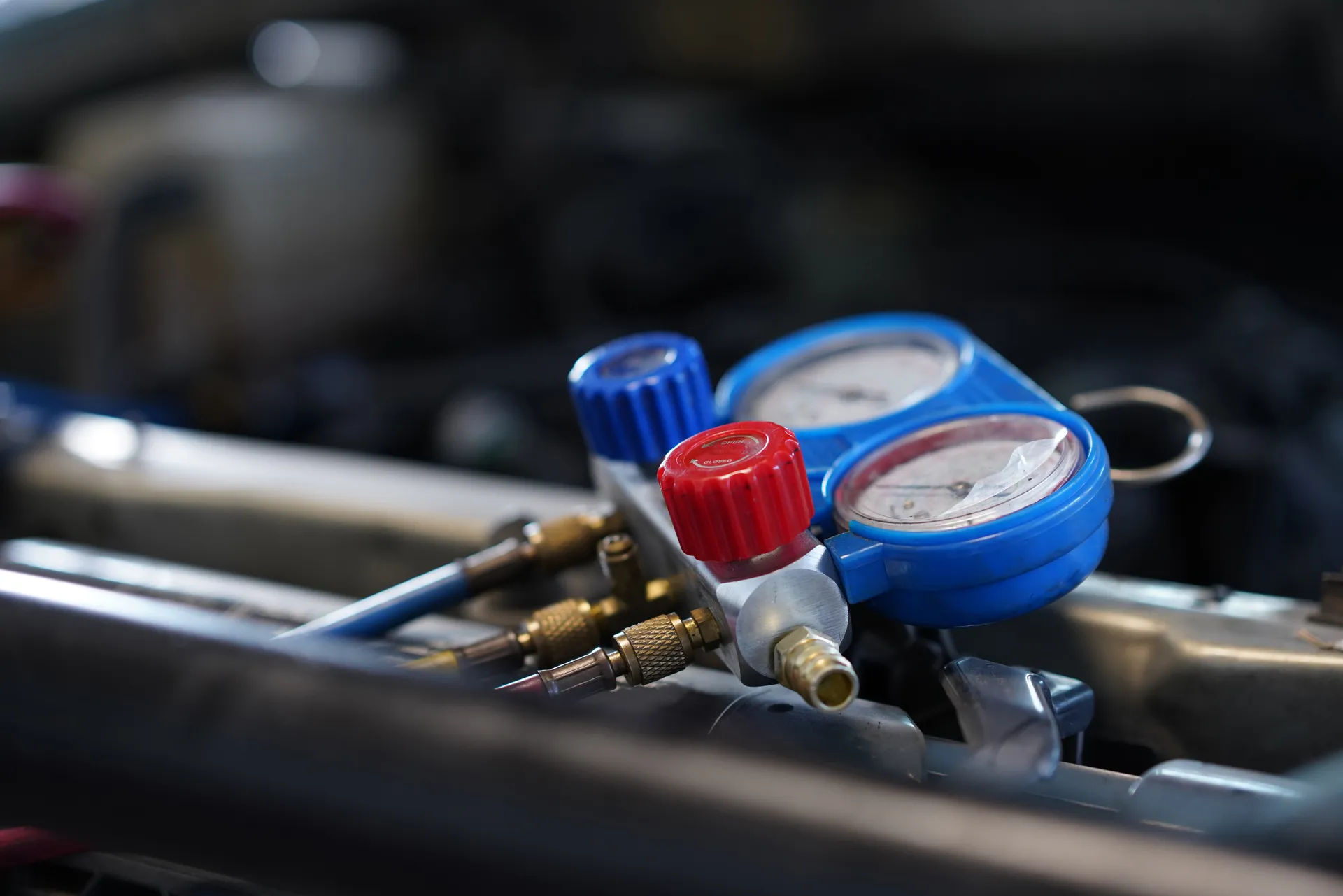
Sometimes a bad fuel pump doesn’t fail all at once. You might just notice the car taking a little longer to start, or feeling sluggish when you hit the gas. It’s easy to brush off at first, but those small signs can turn into a bigger problem before you know it.
Common Symptoms of a Bad Fuel Pump
Loss of Power While Driving
You might notice the car just doesn’t respond the way it used to when you step on the gas. At first, it doesn’t seem like a big deal, just a little slower than usual. But it becomes more obvious when you try to merge onto the highway or pass another vehicle. The pedal is down, but the power just isn’t there.
Engine Stalling
Sometimes the engine just shuts off without much warning. It can happen at a stoplight, or even while you’re still moving. It might start back up after a short wait, which makes it even harder to figure out what’s going on. Most people don’t think much of the fuel pump when this starts happening, but it often turns out to be part of the problem.
Whining Noise from the Fuel Tank
You might start hearing a faint whining or humming sound from the rear of the car. At first, it’s easy to ignore or assume it’s normal. But if that sound gets louder over time, it usually means something is changing inside the fuel system. A healthy fuel pump is typically much quieter.
Poor Acceleration
The car feels a bit “off” when you try to speed up. It still moves, but not with the same response you’re used to. There’s a slight delay, like it’s thinking for a second before reacting. You don’t always notice it in normal driving, but it shows up when you need power quickly.
Hard Starting (After Sitting)
After the car sits for a while, it may take longer to start than usual. You turn the key, and the engine cranks a bit more than it should before finally coming to life. It doesn’t happen every time, so it’s easy to ignore at first. But over time, the pattern becomes harder to miss.
Decreased Fuel Efficiency
You might also find yourself stopping at the gas station more often, even though your driving hasn’t really changed. The drop in fuel economy usually happens slowly, so most people don’t notice it right away. But once it adds up, it becomes pretty clear something isn’t working as efficiently as before.
What Causes a Bad Fuel Pump?
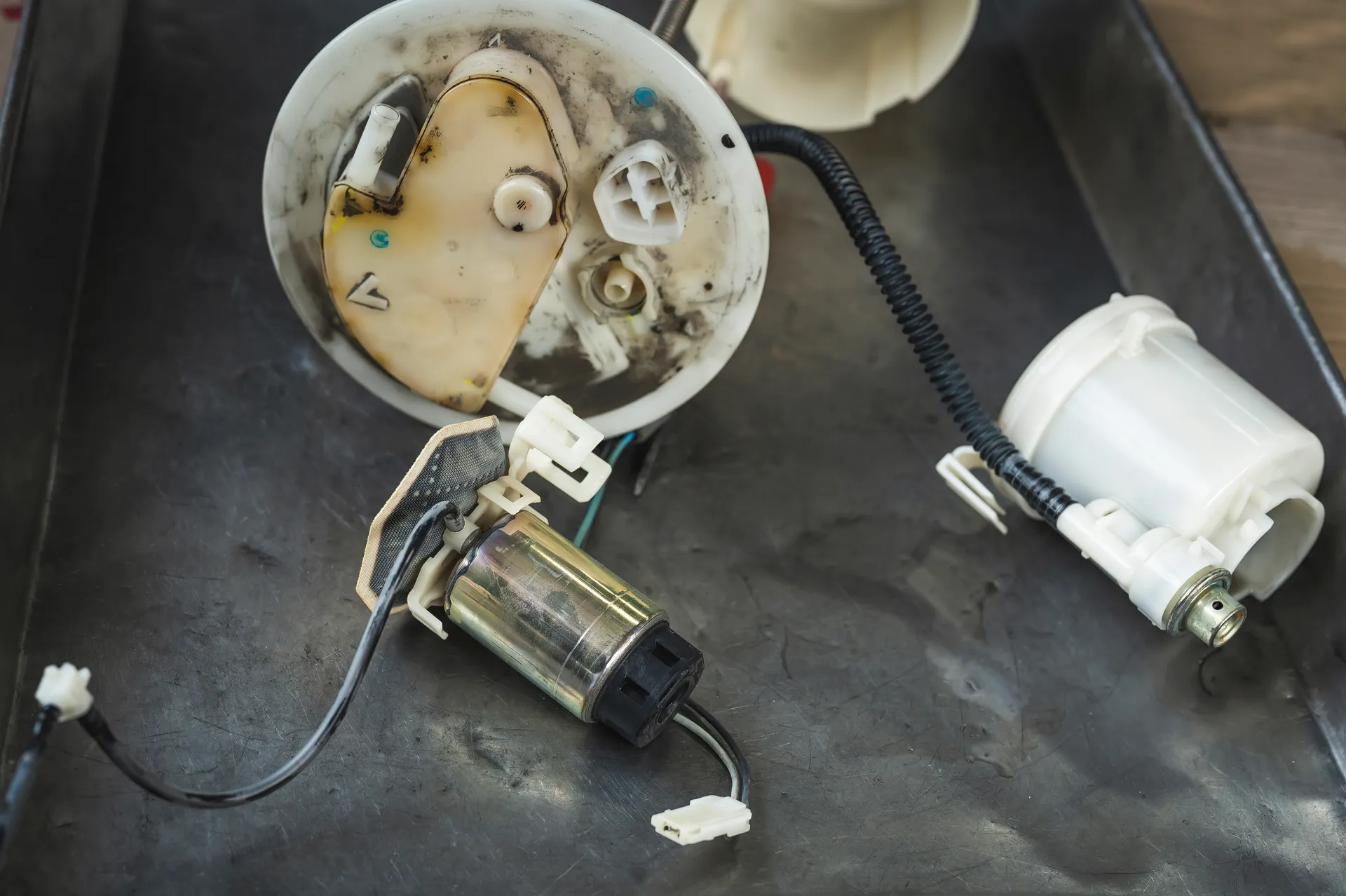
A fuel pump doesn’t always fail suddenly. In many cases, there are small warning signs that are easy to overlook. Some drivers assume the issue is something minor, like a weak battery or a clogged fuel filter. Meanwhile, the fuel pump may already be struggling before it completely fails.
One of the most common causes is normal wear over time. The fuel pump runs every time you drive, and after enough miles, it can gradually lose efficiency.
Driving with a consistently low fuel level can also shorten the life of the pump. When the tank runs low, the pump may not stay fully submerged in fuel, which can lead to extra strain and heat buildup.
Contaminated fuel or debris inside the tank is another possible cause. Over time, these small issues can add up and eventually lead to fuel pump failure.
How to Test a Bad Fuel Pump
Before assuming the worst, there are a few simple things you can check. A failing fuel pump often shows subtle signs first, and paying attention to how your car behaves can help you narrow down the problem.
Listen When You Turn the Key
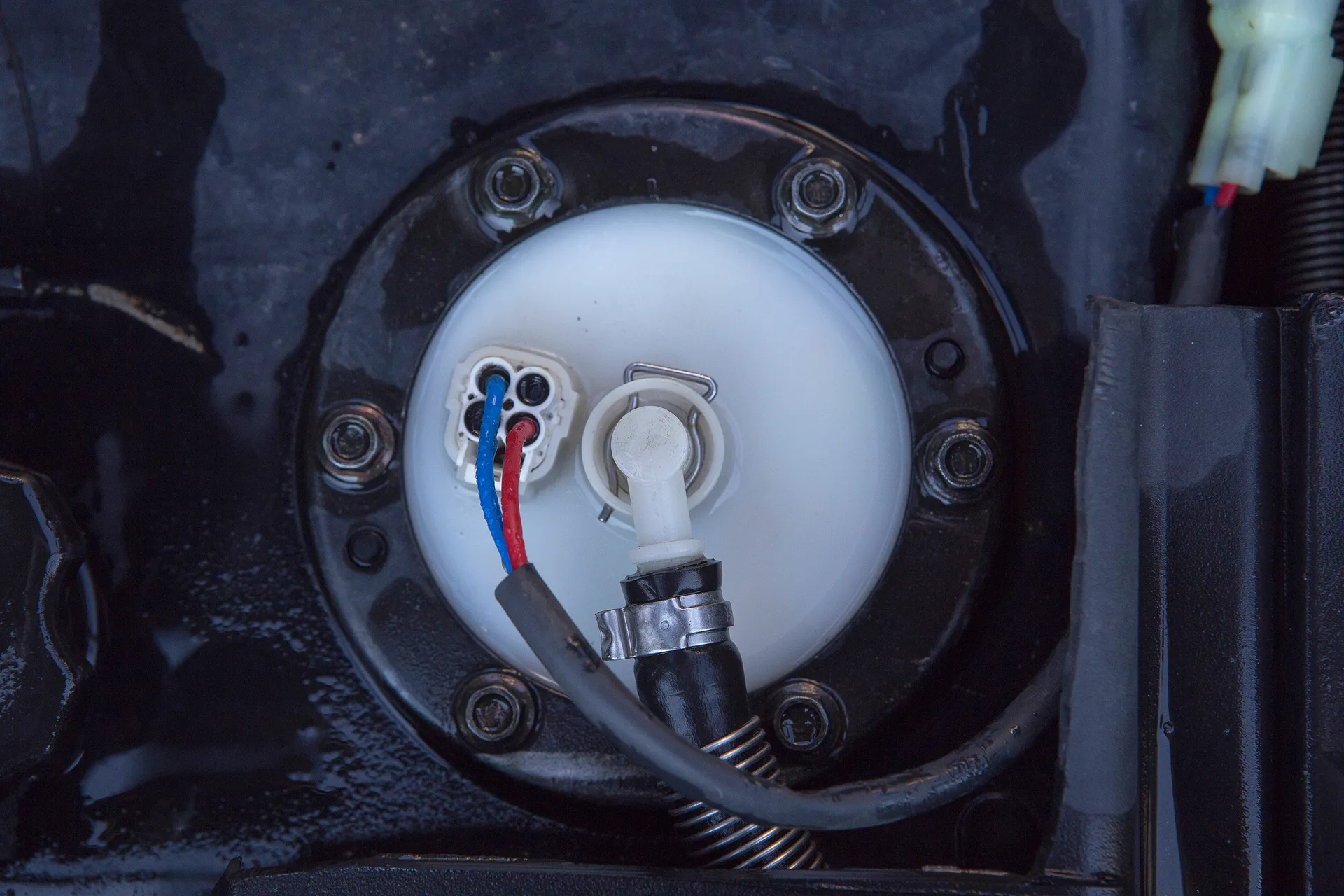
When you turn the key or press the start button, most vehicles make a faint humming sound from the rear of the car for a couple of seconds. That’s the fuel pump priming the system. If that sound suddenly disappears, or if you notice it’s much quieter than usual, it could be a sign the fuel pump isn’t working properly.
Pay Attention to How the Car Starts
Take note of how the engine starts, especially after the car has been sitting for a while. If it takes longer than usual, or if the engine struggles before starting, fuel pressure may be dropping. This is often one of the earlier signs of a weakening fuel pump.
Notice Power Loss Under Load
You may also notice power loss when accelerating, going uphill, or trying to pass another vehicle. The car might feel fine at lower speeds, but once you ask for more power, it may hesitate or feel sluggish. This usually happens when the pump can’t keep up with fuel demand.
Confirm with a Fuel Pressure Test
If you want to be more certain, a fuel pressure test can help confirm the issue. Low or inconsistent fuel pressure often points to a weak or failing fuel pump. This test is usually performed with a fuel pressure gauge and can quickly determine whether the pump is delivering proper fuel pressure.
If these checks suggest a failing fuel pump, it's usually best to address the issue early before it leads to a complete breakdown.

Can You Drive With a Bad Fuel Pump?
At first, your car may still seem drivable, especially if the symptoms don’t happen all the time. It may start and run normally on some trips, making the issue seem less serious.
However, fuel pump problems rarely stay consistent. One moment the vehicle feels normal, and the next it may lose power or stall without warning. This can be especially dangerous in traffic or at higher speeds.
While you may still be able to drive short distances, it’s not something you should rely on. Once fuel delivery becomes unstable, the risk of sudden engine shutdown increases, which can leave you stranded or create unsafe driving conditions.
Fuel Pump Replacement Cost
If you're starting to suspect a bad fuel pump, one of the first questions that probably comes to mind is how much it's going to cost. The price can vary depending on your vehicle, but in most cases, fuel pump replacement typically ranges between $400 and $1,000.
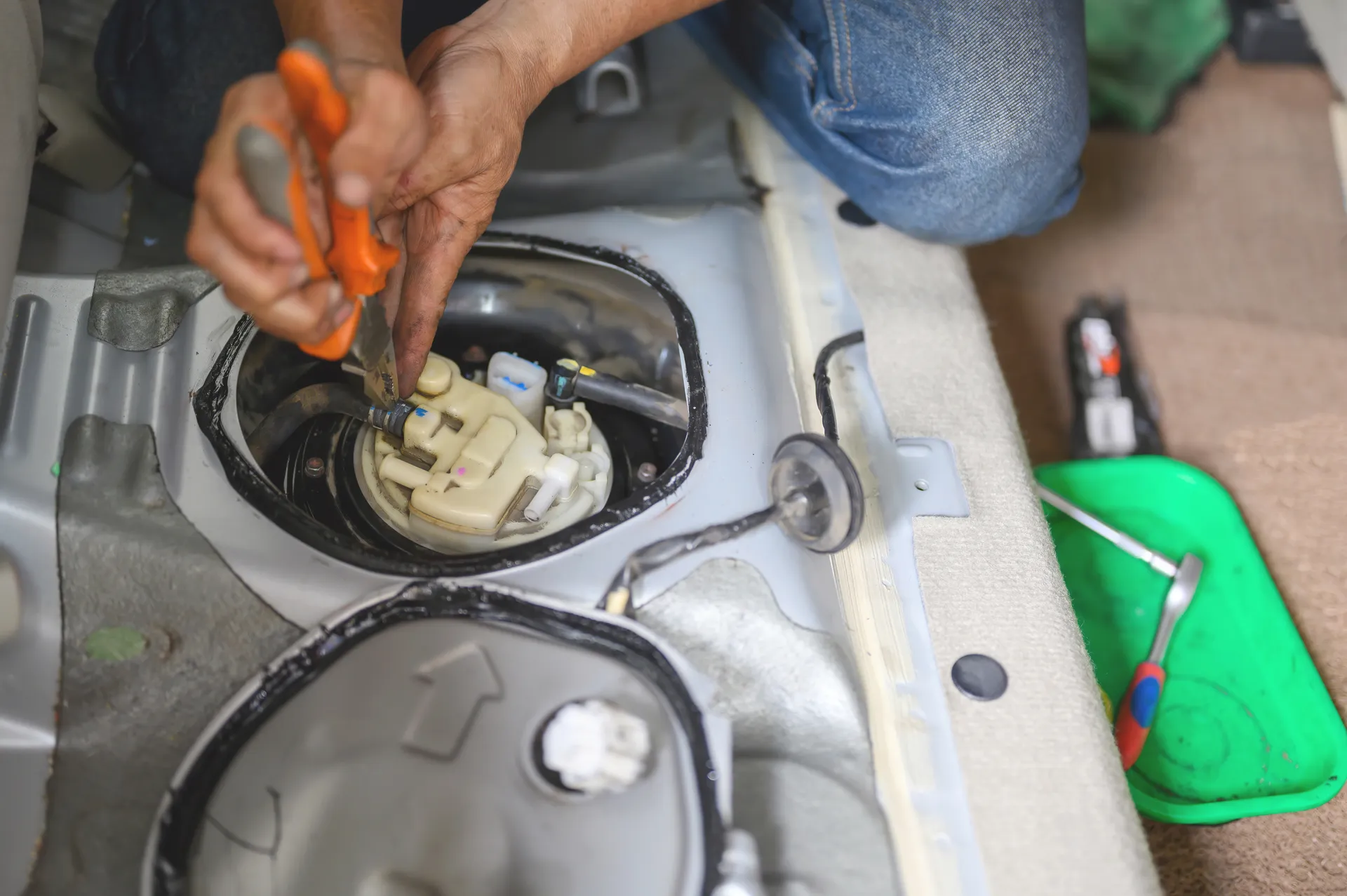
Several factors can affect the total cost, including your vehicle's make and model, labor rates in your area, and whether the fuel pump is part of a larger fuel pump assembly inside the tank. Some vehicles require more time and labor to access the fuel pump, which can increase the overall cost.
In many cases, the part itself accounts for a large portion of the price. Labor usually takes a few hours, but the total cost can vary depending on how difficult it is to reach the fuel tank.
Catching the problem early can help prevent getting stranded or dealing with additional repairs later. If you're already noticing symptoms of a failing fuel pump, it's usually a good idea to have your fuel system checked before the issue gets worse.

Conclusion
Fuel pump problems don’t usually appear overnight. Most of the time, your car gives you a few warning signs first, like hard starting, power loss, or strange noises.
It’s easy to ignore these at first, but they often get worse over time. Paying attention early can help you avoid getting stuck somewhere and dealing with a bigger repair later.
FAQ
How Do I Know If My Fuel Pump Is Bad or Something Else?
A failing fuel pump often causes hard starting, power loss, or engine stalling. However, similar symptoms can also come from issues like a clogged fuel filter or bad spark plugs. Checking fuel pressure is usually the most reliable way to confirm whether the fuel pump is the problem.
Can a Bad Fuel Pump Cause a Car Not to Start?
Yes. If the fuel pump fails, the engine won’t receive enough fuel to start. In some cases, the engine may crank but still won’t start.
How Long Can You Drive With a Bad Fuel Pump?
You may still be able to drive short distances, but the pump can fail at any time. Driving with a bad fuel pump increases the risk of sudden power loss or engine stalling.
What Happens If You Ignore a Bad Fuel Pump?
Ignoring a bad fuel pump can lead to sudden breakdowns and poor engine performance. Over time, unstable fuel delivery may also lead to additional engine problems.
Is Fuel Pump Replacement Expensive?
Fuel pump replacement usually costs between $400 and $1,000, depending on the vehicle and labor costs. Some vehicles require more labor, which can increase the total price.