
What Is a Blower Motor Resistor
The blower motor resistor is a vital component of the HVAC system, controlling the blower motor speed and regulating airflow in the cabin. It changes the resistance to alter the electrical current delivered to the blower motor, allowing the blower fan to run at different speeds. In general, a blower motor resistor has 3 to 5 coils that vary in thickness (referring to its specs). This allows the fan to spin at different rates, from low to high speed.
While many cars use the blower control module to automatically regulate the fan speed, the blower motor resistor still plays a significant role in maintaining the cabin's comfort. It also remains in use in many modern vehicle models. Therefore, understanding the blower motor resistor symptoms can help you identify potential problems early and take protective measures.
5 Signs of a Faulty Blower Motor Resistor
If the blower motor resistor or its connector fails, the cabin may not maintain a comfortable temperature. You may notice the following symptoms of a failing blower motor resistor:
·Blower Only Works at Highest Speed Setting
The most common symptom is that the blower fan always works at full speed due to a loss of resistance. Because the circuit or fuse inside the resistor has been blown, current can only be bypassed at the high-speed setting. In this case, replacing a quality blower motor resistor is better.
·Blower Only Works at Lowest Speed Setting
No matter how you adjust the blower motor switch on the dashboard, you find the fan speed operates at the lowest setting. This indicates the resistor can no longer regulate electrical resistance. Check whether the resistor is shorted or the wiring connector is worn out, and repair related parts.
·Some Fan Speeds Not Working
In some cases, you cannot control more than one fan speed if specific resistor circuits have failed. However, a bad blower motor switch may be the actual cause.
·Inconsistent or Intermittent Fan Speed
The fan speed may fluctuate when the blower motor resistor is running at a certain setting. This is due to the loose connection, corroded terminals, and worn resistor coils inside the blower motor resistor. However, the potential causes of the problem are also related to a bad blower motor, a blower speed switch, or the HVAC system’s poor wiring.
·No Air Coming from the Vents (Less Common)
In this case, you should test the HVAC system fuse(not the resistor’s thermal fuse) first. If the fuse is intact, the cause of no airflow may be related to the blower motor, relay, or wiring rather than the resistor itself.
Common Causes of Blower Motor Resistor Failure
If you’re able to test a faulty blower motor resistor, you can inspect its pins and the housing for visible damage or corrosion, and test the resistance between terminals (typically 4-5 ohms). There are two common causes of blower motor resistor failure:
·Corrosion
In most modern cars, moisture corrosion often causes the metallic components to fail. If the resistor’s pins are corroded, it could interrupt the circuit and contact, leading to fluctuating or unstable fan speed.
·Overheating
In addition to internal corrosion, overheating also shortens the blower motor resistor’s lifespan. If the blower motor is worn or the fan is blocked, it draws excessive electrical current, which blows the thermal fuse and resistor coils.
How to Replace a Blower Motor Resistor
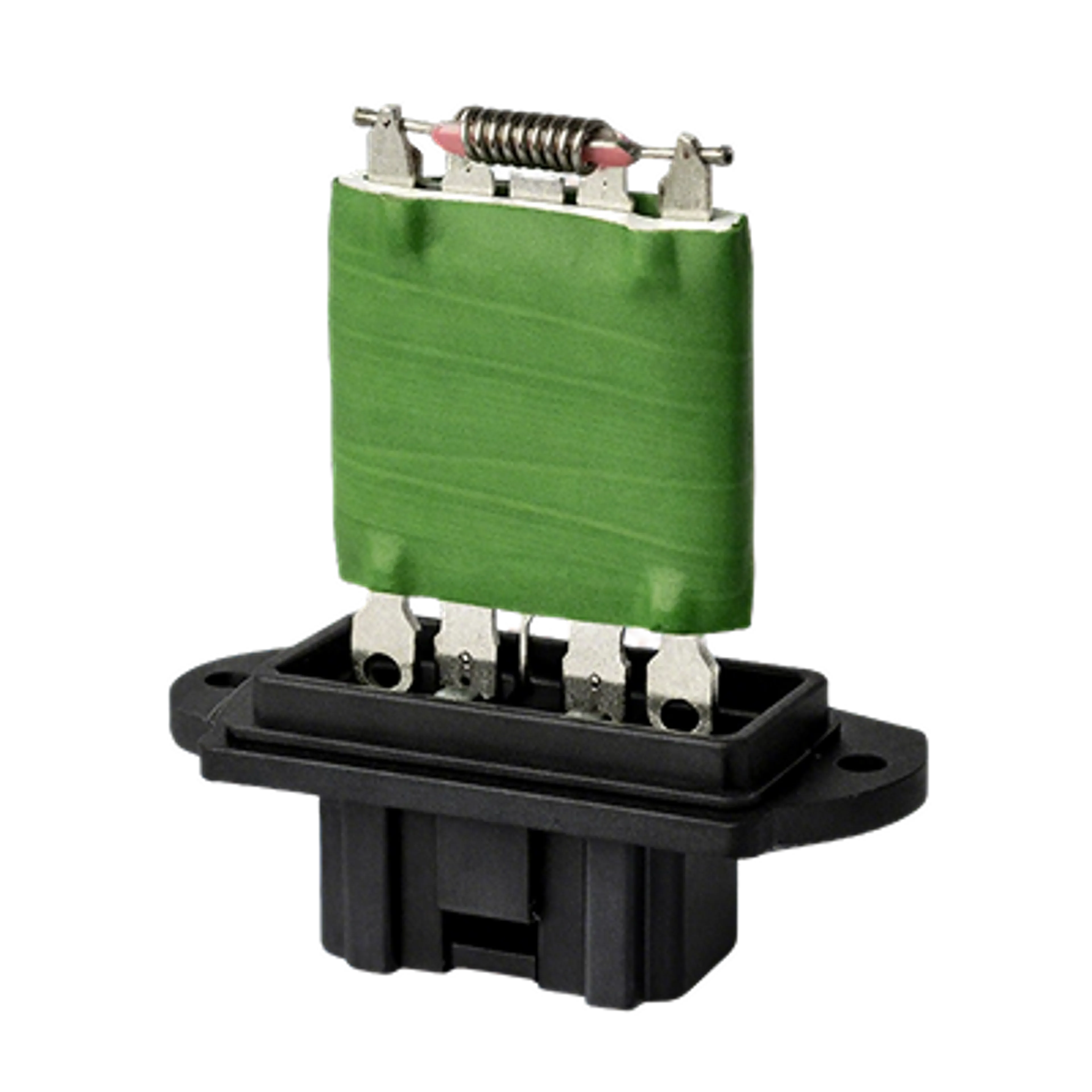
While you can repair resistor coils in some cases, you should replace the old blower motor resistor when the thermal fuse blows, and the terminals corrode severely.
Most blower motor resistors are close to the blower motor, usually under the dashboard behind the kick panel; in some older cars, it may be near the passenger-side firewall. This guide focuses on replacing a blower motor resistor beneath the kick panel at the front passenger’s feet, where the blower motor is located.
Basic tools
Phillips and flathead screwdrivers, a socket wrench, or a small ratchet set.
Step 1: Disconnect the Battery
· Stop the engine.
· Disconnect the negative terminal first, then the positive terminal.
Step 2: Locate the Blower Motor Resistor
Where the blower motor resistor is depends on the vehicle’s make and model. Refer to your vehicle’s maintenance manual to locate the relevant blower motor resistor’s position. Next, use the appropriate tools to access the resistor.
·Use a screwdriver to remove the kick panel.
Step 3: Remove the Old Blower Motor Resistor
·Disconnect the electrical connector and retaining clip.
· Remove the resistor’s screws.
· Remove the resistor from the blower housing.
Step 4: Clean the Connector and Air Duct
Make sure that the pins are not corroded and the air duct is not obstructed.
Step 5: Install the New Blower Motor Resistor
· Place the resistor in its original position.
· Reinstall the resistor’s screws.
Step 6: Reinstall the Panel
Ensure any kick panel and fasteners are secured properly.
Step 7: Reconnect the Battery
· Reconnect the positive terminal first, then the negative. (as reverse order of step 1).
· Start the car and test the blower motor at the lowest, medium, and highest speed settings.
Blower Motor Resistor vs Blower Control Module
| Feature | Blower Motor Resistor | Blower Control Module |
| Function | Reduce the voltage to create different blower speeds. | Electronically regulate blower motor speed. |
| Components | Resistor coils and thermal fuse | MOSFET transistors and electronic control circuits |
| Technology | Use resistors to reduce the voltage supplied to the blower motor. | Use electronic circuits to precisely control blower speeds. |
| Speed Control | Fixed speed levels (usually 3–5) | No fixed level for speed control(continuously adjustable speeds) |
| Application | Commonly used in the manual HVAC systems of vehicles | Vehicles with automatic control systems |
| Replacement Cost | Cost-effective and easy to replace. | Higher costs and a professional repair are needed. |
| Common Failure Symptoms | Not working at high speed or only works at low speed | Fan speed fluctuates or cannot respond to automatic controls |
Conclusion
A failing blower motor resistor can cause inconsistent fan speeds and reduced cabin comfort. Replacing a damaged resistor promptly helps restore proper airflow and keeps your HVAC system working efficiently.
FAQ
What Does a Blower Motor Resistor Do?
A blower motor resistor uses multiple coils to alter the voltage supplied to the blower motor. When the fan is at its different speed settings (not the highest), it uses different coils to increase or reduce the resistance. In addition, it’ll bypass the coil because the highest speed indicates no resistance.
Where is the blower motor fuse?
The blower motor fuse is located in the engine’s fuse box to protect the blower motor from damage.
How to Test Blower Motor Resistor Without a Multimeter
Before blower motor resistor replacement, you can select the fan speed setting to check the airflow rate. Next, visual inspection for corroded terminals or burnt connectors.
Can you run a blower motor without a resistor?
Yes, you can operate the blower motor without a resistor, but it still works at the highest speed setting.
Does the blower motor resistor affect the HVAC system?
Yes. A faulty blower motor resistor can prevent the fan from speeding up or slowing down properly.