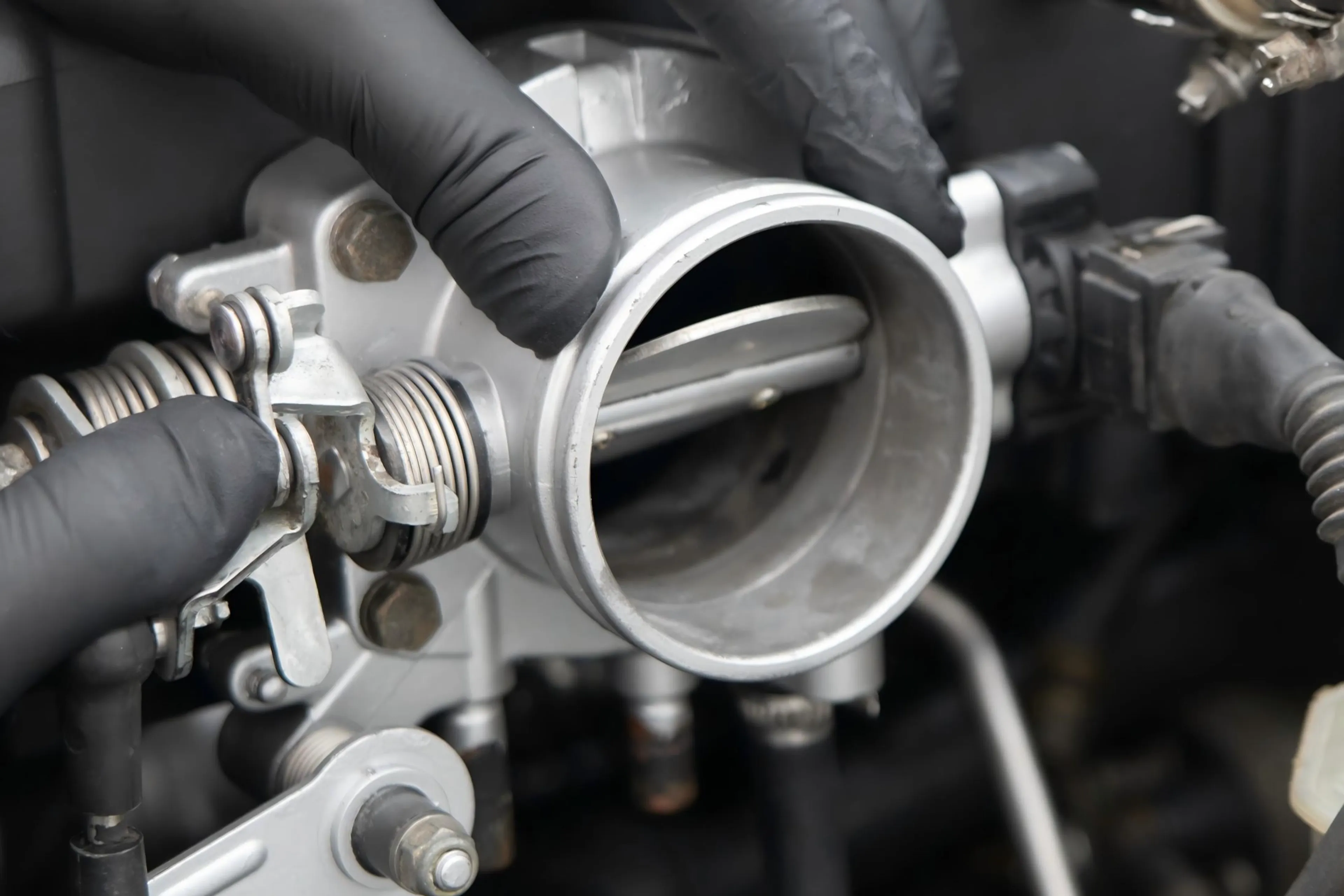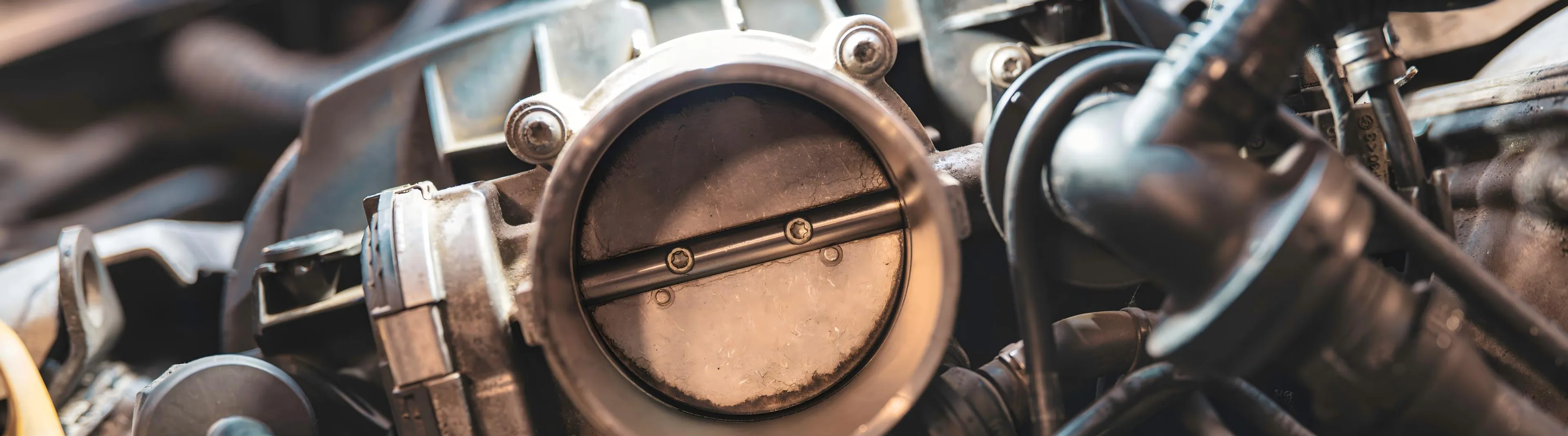
Regular throttle body cleaning benefits a lot, as this could help maintain smooth airflow and consistent engine performance. If it becomes dirty, you could use a cleaner to restore proper airflow. Compared with replacing the throttle body, a can of cleaner just costs between $10-$20 and there is no extra cost for a mechanic: it’s relatively DIY-friendly for most Civic owners.
Follow this guide to remove carbon buildup and restore smooth throttle operation.
What Does a Throttle Body Do in a Honda Civic
Honda Civic’s throttle body is responsible for controlling the air that flows through the intake system in a combustion engine. When you press the accelerator, the ECU commands the throttle plate open to allow air to enter, then regulates the fuel injectors to deliver a precise amount of fuel to mix with the air.
Signs of a Dirty Honda Civic Throttle Body
Not sure whether your throttle body needs cleaning or replacement? Check out our complete throttle body symptom guide. In most civic models, a dirty throttle body could cause less noticeable problems but also matter, like slow acceleration, unstable RPMs, or a check engine light warning. And, you may notice a lack of power and reduced fuel economy.
How Often Should You Clean the Civic’s Throttle Body
The interval mainly depends on the civic’s driving condition and fuel type, which typically ranges from 50,000 to 70,000 miles. Since the Civics are used for daily commuting in city traffic, frequent stop-and-go driving and short trips are two of the leading contributors to carbon buildup. Also, gasoline easily creates and collects deposits, and using low-grade fuel is prone to carbon buildup.
Choosing high-quality top-tier gasoline may help extend the cleaning interval.
How Much Does It Cost to Clean Civic’s Throttle Body
If a professional mechanic cleans the throttle body, this may cost you $100-$200 for labor or a systemic inspection. But, pre-check the throttle response and learn the clean guide to make it easier to upgrade the throttle performance at any time.
How to Clean My Civic’s Throttle Body at Home
It may take 30 minutes to 1 hour to complete the cleaning. Before you start the repair, prepare the necessary tools for safety steps.
Tools & Preparation
· Socket Wrench or Nut Driver
· Throttle Body Cleaner
· New Gasket (optional)
· Compressed Air (optional)
· Rags
· Plastic gloves & Safety Glasses
Note: It’s not recommended to use paper towels that could remain scraps inside the old throttle body.
Clean the Throttle Body Step by Step
Step 1: Park your Civic in the Open Space
·Make sure that the car surroundings are safe and free to handle the work.
·Disconnect the battery’s negative terminal.
·Turn off the engine and wait until it is cool to the touch.
Step 2: Wear Gloves and Safety Glasses
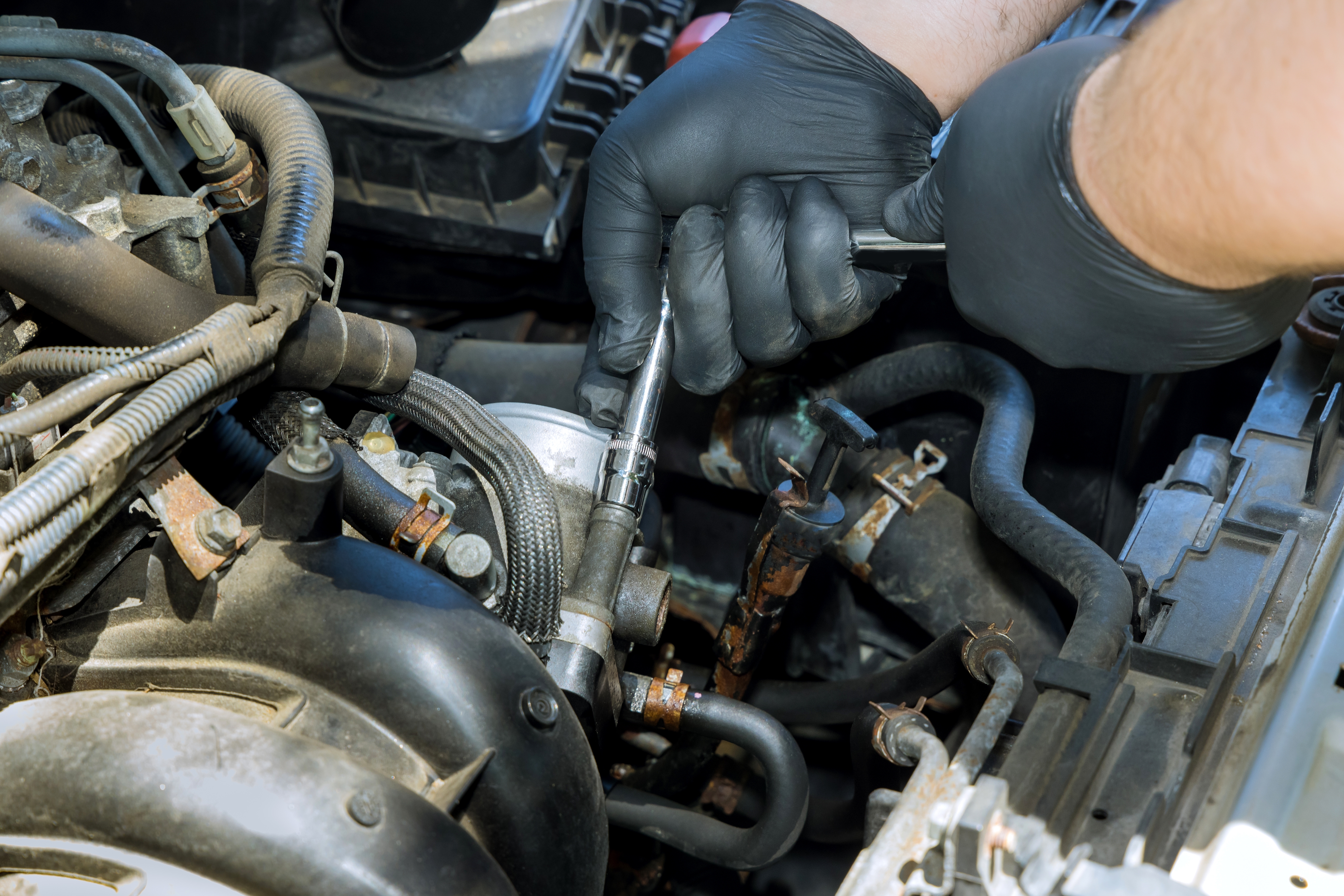
Step 3: Remove Mechanical Connectors
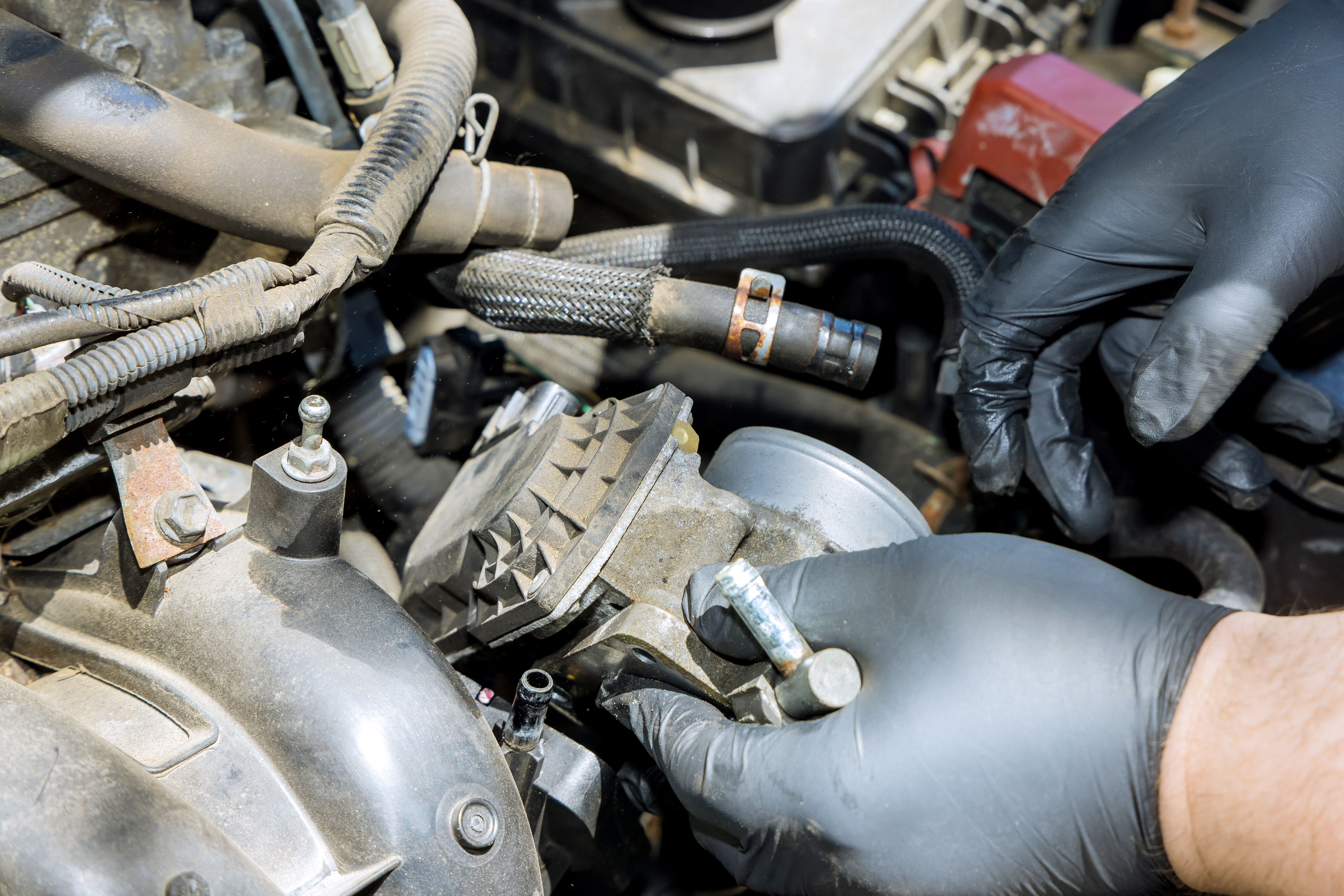
Civic’s throttle body is often located between the intake boot and intake manifold, attached with bolts or clamps. In actual repair, a mechanic may keep the throttle body in place, which just needs to disassemble the clamps connected to the intake boot without removing the throttle body. But it’s recommended to take the throttle body out for the first auto repair.
Step 4: Remove Electrical Wiring
· Press the tabs on the connectors' sides.
· Take the throttle body off and place it on the soft rags
Step 5: Clean the Throttle Body.
Using a cleaner specifically designed for this job could help you more easily remove stubborn carbon and grime.
·Spray a small amount of cleaner onto your throttle body.
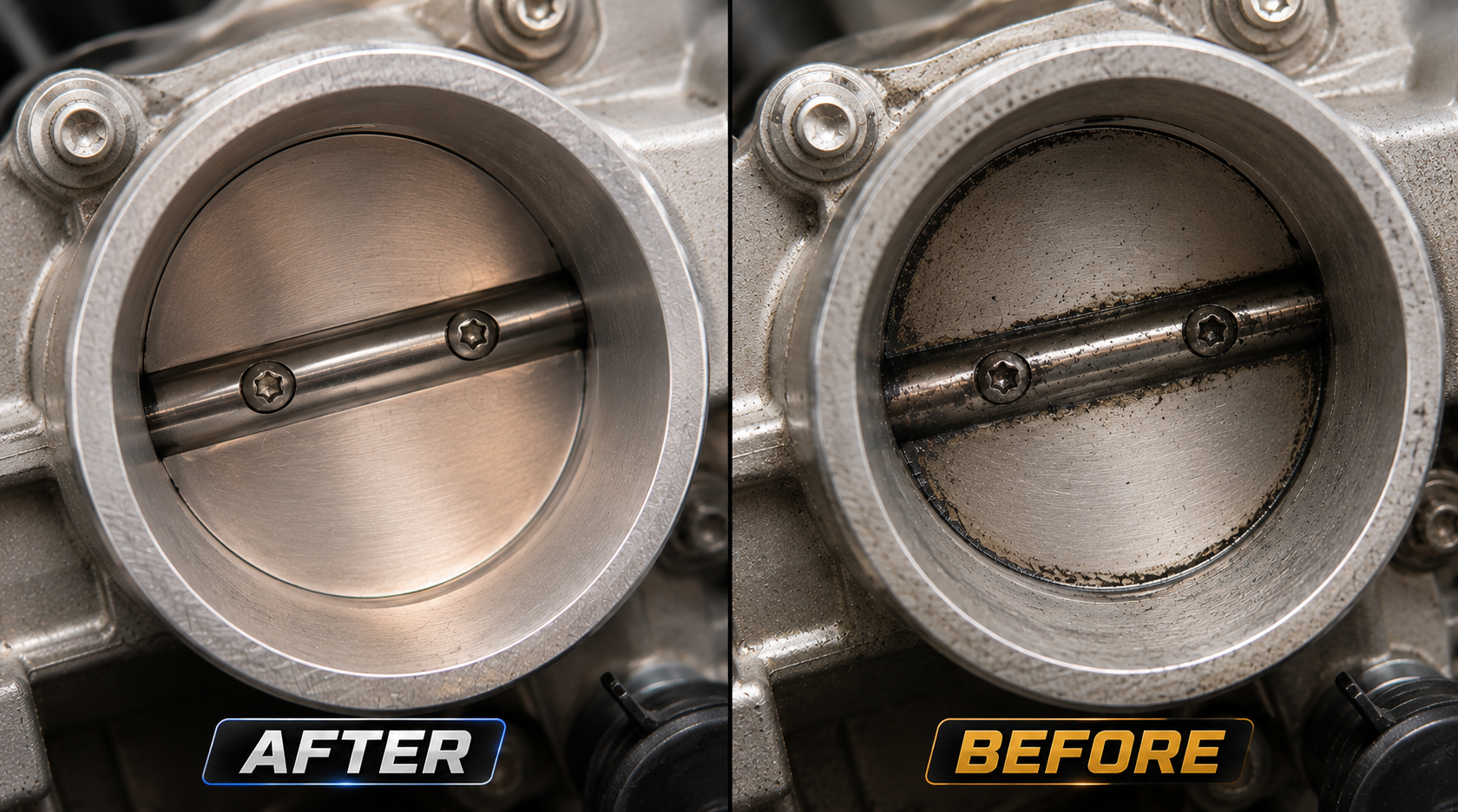
·Wipe the throttle body opening. Especially the plate surface and bore wall around the opening— these are the most common places for carbon buildup on Civic models. So repeat the“spray-wipe” process several times until the deposits have been cleared and the metal surface becomes visible again.
·Gently move the throttle plate to clean its back side and the inner bore (as much as needed to access the inner). Modern civics typically use an electronic throttle body with a motor-gear mechanism inside. If you repeatedly rotate the plate by hand, this adds stress to the internal assembly. Make sure the plate rotates until it leaves enough space to reach the inner bore, and clean the contents as possible as you can.
Step 6: Clean the Gasket or Replace it (optional)
Inspect the gasket carefully. In most cases, you can reinstall it or simply use compressed air to remove debris.
Replace it only if it’s cracked, damaged, or firmly stuck in the mounting surface. Carefully peel it away by hand and install a new gasket.
Step 7: Reattach the Throttle Body
· Reconnect the intake boot and tighten the clamp.
· Set the gasket back to the mounting surface, then tighten these bolts in a criss-cross way to secure the throttle body to the intake manifold.
· Reconnect the battery’s negative terminal.
Step 8: ECU Reset
How ECU relearns correctly is a critical step that Civic owners cannot skip. If it fails to gain the new airflow reading, the vehicle develops issues: rough idle and unstable RPMs.
So, start the engine until it reaches the operating temperature. And turn off extra devices-no headlights, air conditioning, car audio, and so on before running the vehicle. Wait 15 to 20 minutes for the ECU to calculate an accurate amount of intake air again. Or, you may run the Civic through short-distance drives at several speeds. Stay steady, and avoid frequent stops during the process.
Conclusion
Honda Civic throttle body cleaning is a simple DIY maintenance task that can help restore proper airflow and throttle response without the cost of a full replacement. If your Civic is showing signs of carbon buildup, this guide can help you clean the throttle body and get it operating smoothly again.
If the symptoms persist after cleaning, the throttle body itself may be worn or damaged. In that case, check out our throttle body selection and find the right replacement for your Honda Civic.
FAQs
What is the Difference Between Throttle Body Cleaner and Carb Cleaner
Some carb cleaner formulas may damage the protective coating on the throttle body. This coating helps reduce carbon buildup and keep the throttle body operating smoothly. If it's damaged, deposits may accumulate more quickly.
How to Clean the Throttle Body with Carb Cleaner
It's not recommended to use a carb cleaner to clean a throttle body. If you cannot get a throttle body cleaner, follow our steps above and spray a small amount of carb cleaner on the toothbrush and clean the carbon buildup directly.
What Does the Throttle Position Sensor Do?
The throttle position sensor(TPS) calculates the throttle valve's angle and sends that data back. This helps the ECU calculate the exact amount of fuel and air.
How Do You Fix A Throttle Position Sensor
Before fixing a throttle position sensor, check whether the electrical connector is loose, the wiring harness is corroded, and the throttle plate operates freely. If any of these issues are found, you could reassemble the connector, replace the harness, or clean the carbon deposits to restore the functionality. If the TPS-related fault codes or signal issues still remain, you need to replace the old sensor. Especially for most Honda Civics, you may need to replace the throttle body assembly as the sensor is integrated into the throttle body.
How Often to Clean the Mass Air Flow Sensor
The cleaning interval is often once a year or every 15,000 to 30,000 miles. If you drive in dusty conditions, it may be shortened to around 15,000 miles.