
A failing throttle body can reduce the engine's power and fuel economy, ultimately shortening engine life. Identifying the signs early and addressing the issue promptly can help you avoid more serious problems. Here are some common symptoms of a bad throttle body.
Dirty Throttle Body Symptoms
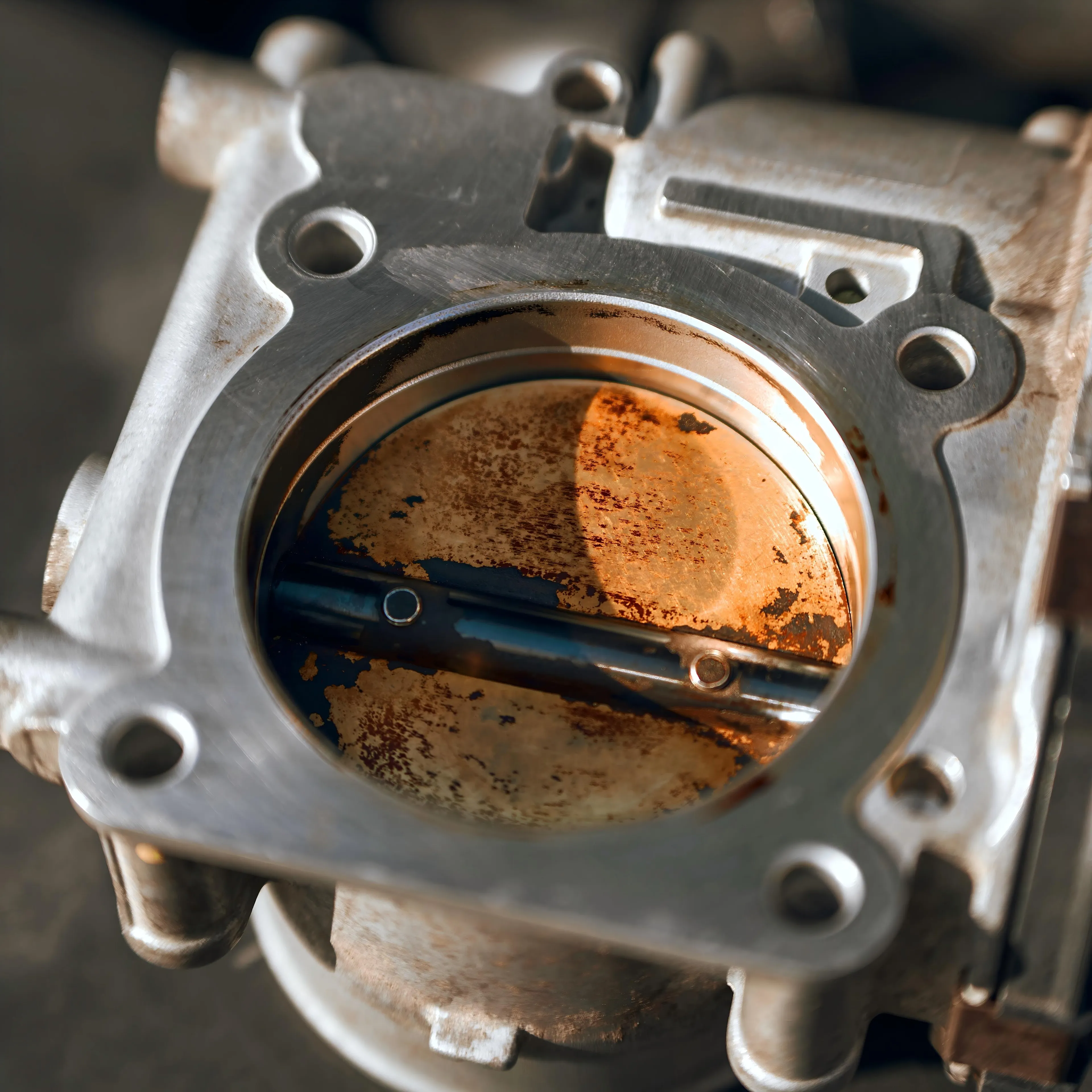
A dirty throttle body is an early warning sign that can lead to more serious problems. If you find the following symptoms, this usually indicates carbon buildup inside the throttle body. Cleaning the throttle body can restore its proper airflow and help the engine run smoothly again.
·Delayed Throttle Body Response
It feels like the engine struggles to accelerate the vehicle. Because the carbon deposits restrict the movement of the throttle plate, the throttle body cannot respond to your input when you press the accelerator.
·Uneven Idle Speed
If the throttle body builds up dirt inside the bore, it cannot regulate the stable and accurate amount of airflow, especially at idle. In this case, the engine’s RPM may fluctuate, making the speed change unpredictably. Meanwhile, your vehicle is hard to start from a stop because of the limited airflow.
·Check Engine Light Stays On
In most modern cars, the check engine light is an indicator to help you detect a problem. It’s also related to the throttle body’s condition.
Bad Throttle Body Symptoms
When the carbon deposits become severe, a failing throttle body not only causes the symptoms above but may also lead to the failure of other components and additional repair costs. A bad gasket may cause a vacuum leak, or the throttle actuator may not control the plate properly, with strange sounds like buzzing or humming. In these cases, replacing the old throttle body becomes necessary to restore proper engine performance.
·Poor Acceleration
A failing throttle body can prevent the engine from receiving the correct amount of air. When this happens, the air-fuel mixture becomes unbalanced, which can reduce engine power and make acceleration feel sluggish. In some cases, a malfunctioning throttle motor or a bad throttle body position sensor may also cause delayed throttle response.
·Unresponsive Throttle
A throttle body contains both electronic and mechanical components to open or close the throttle plate. Over the years, these internal gears and wiring may wear out or fail. When you press the accelerator pedal, the throttle may not respond properly.
·Severe Rough Idle
This is one of the most noticeable signs of a bad throttle body. You’ll feel the car shaking while the engine is at idle. As the throttle body cannot adjust the airflow properly, the engine cannot stay at stable RPMs, which are higher or lower than the original functionality.
·Reduced Fuel Efficiency
A bad throttle body may disrupt the proper airflow to mix the air-fuel mixture at the optimal ratio. As a result, fuel may not be burned efficiently to power the car, leading to increased fuel consumption. Over the years, this may also contribute to a buildup of carbon and damage the other related parts, such as the oxygen sensor and catalytic converter.
·Illuminated Check Engine Light
If the ECU detects a problem with the throttle body or throttle position sensor, it’ll trigger the P0121. P2111 code. No matter when you see the check engine light coming on, you should inspect the functionality of the throttle body before it’s too late to repair.
·Stalling
When your engine stalls frequently or stops suddenly at low RPMs, the throttle body fails to keep a stable airflow at idle. This may lead to an unpredictable ride and leave you in dangerous driving conditions. This issue should be inspected as soon as possible.
However, these symptoms are also caused by a faulty crankshaft position sensor that monitors the engine speed and crankshaft position. Before throttle body replacement, check if the crankshaft position sensor is functioning properly.
What Should You Do if You Notice These Signs
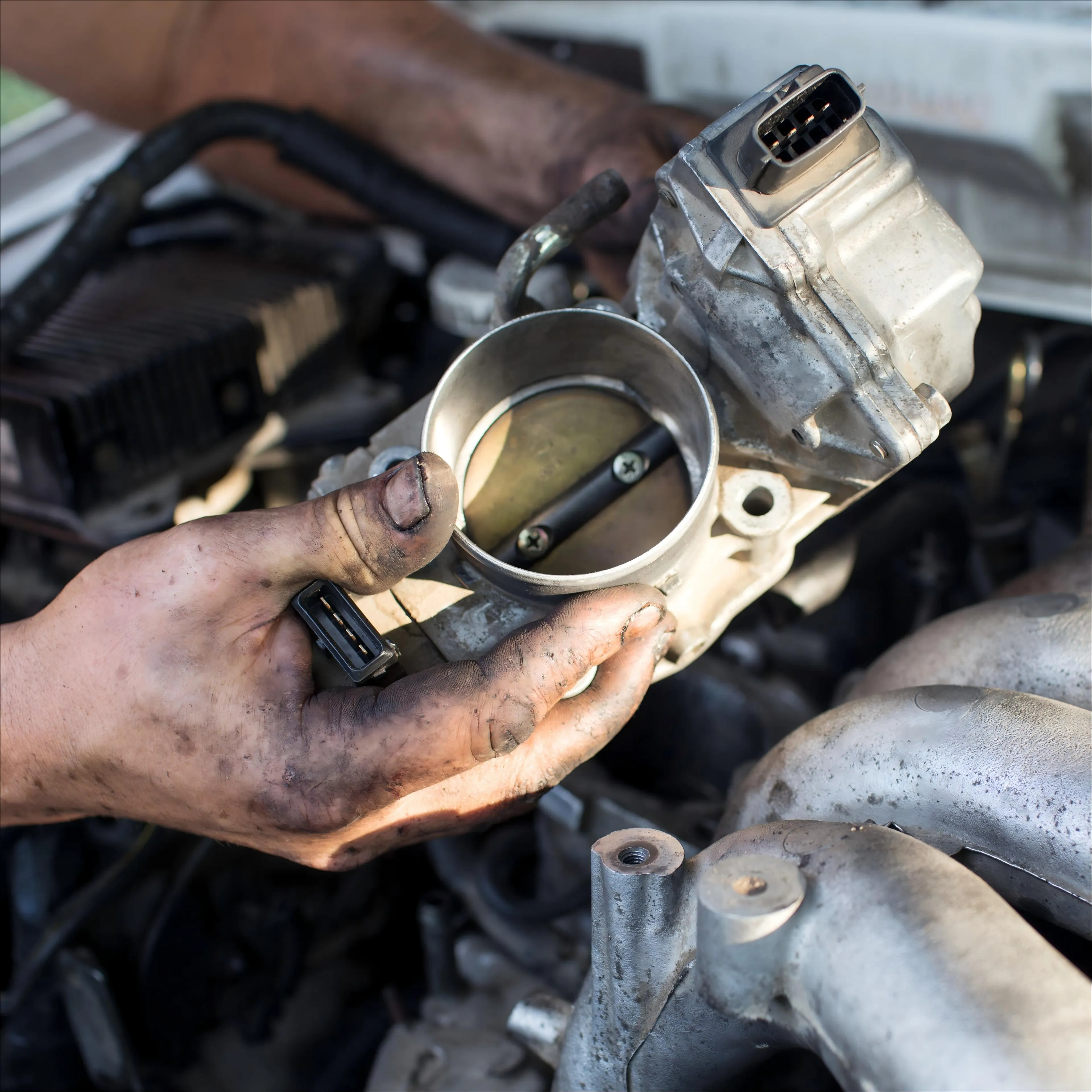
You should identify the symptoms of the failing throttle body at the time you notice the signs. Clogged or dirty throttle bodies are relatively easy to fix: Cleaning the carbon, varnish, and oil mist that accumulate on the throttle plate and bore by using a throttle body cleaner. If some components are damaged or worn out severely, replacing them with a quality aftermarket throttle body can restore smooth airflow and proper throttle movement.
How to Prevent Throttle Body Problems
Keeping the throttle body in good condition helps maintain engine performance and smooth acceleration. You can include the throttle body inspection as a part of your routine service: Clean the throttle body periodically to remove carbon buildup and debris, and check its condition whenever you change the oil or replace the air filter.
Conclusion
A bad throttle body can cause issues like rough idle, poor acceleration, and reduced fuel efficiency. Early inspection and cleaning can prevent serious problems, but worn or damaged components should be replaced promptly. Regular maintenance ensures smoother engine performance and safer driving.
FAQ
What Is the Throttle Body?
The throttle body is a key component of the air intake system, controlling the air that enters the engine. It’s positioned between the air intake duct and the intake manifold to regulate the engine speed.
What Does the Throttle Body Do?
In drive-by-wire vehicles, the throttle body receives the signals from the ECU based on driver input, and then the throttle actuator motor moves the plate to open or close. Meanwhile, the throttle position sensor (TPS) will send feedback to the ECU on how far the throttle plate is open.
How Long Can You Drive with a Bad Throttle Body?
It’s not advised to drive with a bad throttle body. When the throttle fails, sudden stalling and unpredictable acceleration could appear, causing a safety risk.
Why Is There Oil in the Throttle Body?
Oil entering the throttle body comes from the PCV system, which will mix with dirt and form the carbon deposit. Over time, this will restrict the airflow or cause a stuck plate.
Can A Bad Throttle Body Cause a Car to Shut Off?
Yes. The car may suddenly stall or misfire as the throttle body fails to regulate the intake air entering the engine.
Bad Throttle Body Symptoms vs. Bad Idle Air Control Valve Symptoms
Both problems can cause similar symptoms at idle, such as a rough idle, uneven idle speed, stalls, and hard starting. If the vehicle accelerates normally, the issue is less related to the idle air control valve. Poor acceleration, hesitation, and reduced engine power often result from a malfunctioning throttle body, not the idle air control valve.
How Much Does the Throttle Body Replacement Cost?
The average price of a quality throttle body is around $100, while the labor service may cost $150–$300, depending on the vehicle make and model.
Parts You May Need

Related Article
How to Clean the Honda Civic’s Throttle Body
Discover throttle body symptoms, cleaning intervals, costs, tools, and ECU relearn tips.
Jun 10, 2026
How to Replace a Throttle Body: Step-by-Step Guide for DIYers
Replacing a throttle body may seem complicated, but most DIYers can complete the job.
Jul 17, 2026

How to Relearn a Throttle Body: Manual and General Procedures
A throttle body relearn may be necessary after replacing or cleaning an electronic throttle body, bu
Jul 23, 2026