What Does the Ignition Coil Do
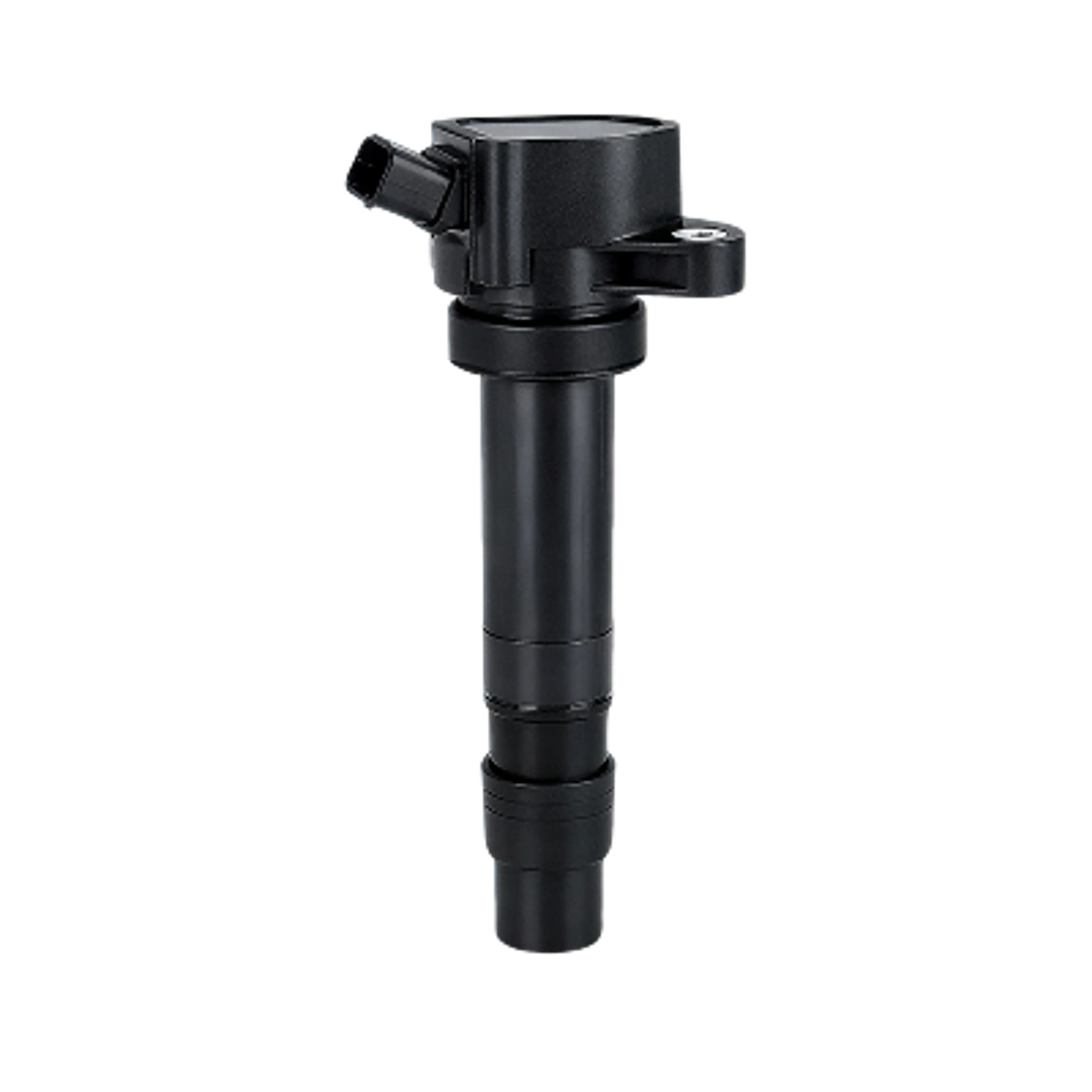
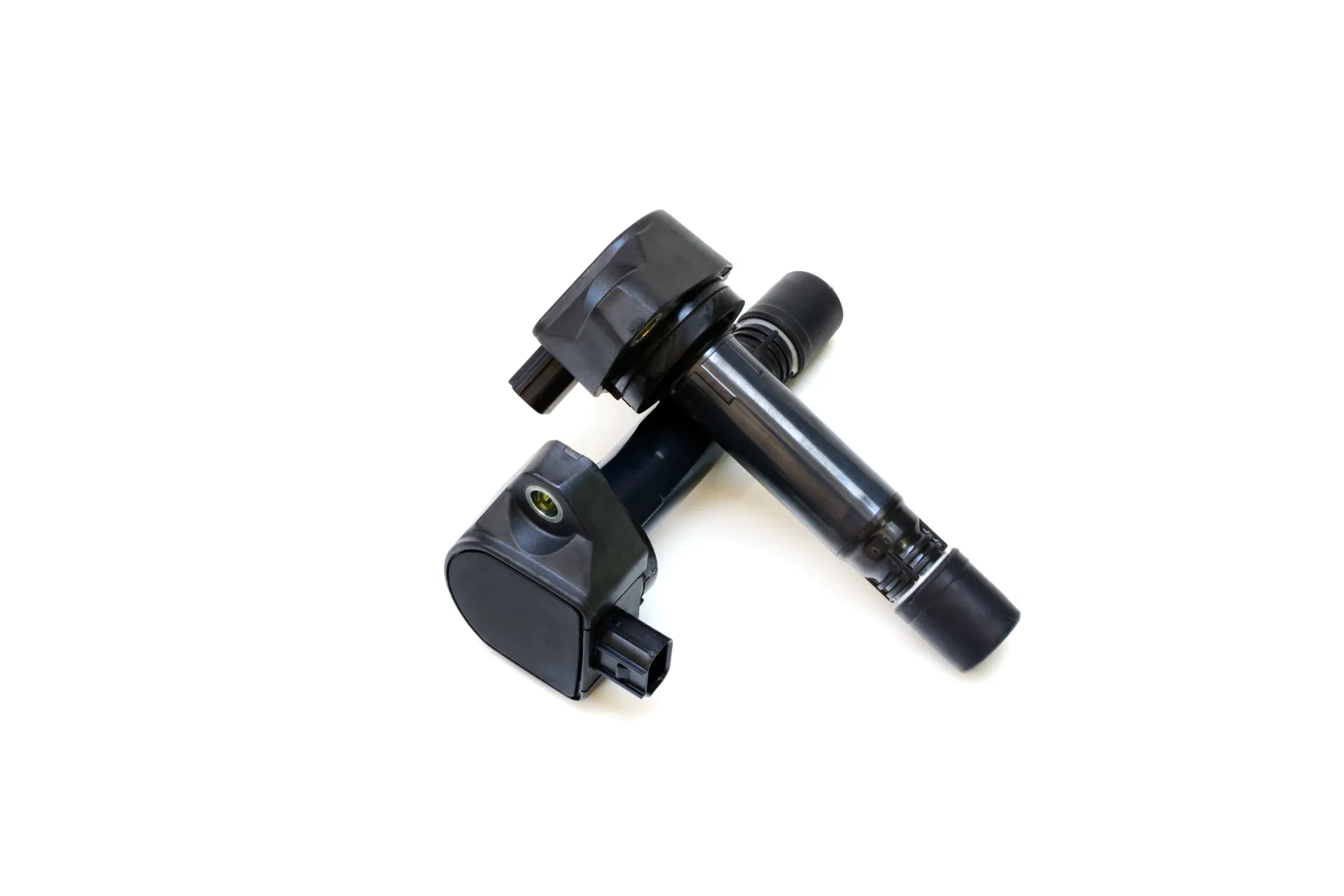
The ignition coil is a vital component of your vehicle's ignition system. Although ignition coils come in various shapes and designs, they all operate the same core principle: using electromagnetic induction, they convert your battery’s low voltage into high voltage needed by the spark plug, enabling the spark plug to fire the air-fuel mixture. By understanding how this process works, you’ll be better able to choose the correct replacement part and complete the installation with DIY confidence.
How Does an Ignition Coil Work
Inside an ignition coil are 3 main components: an iron core, primary winding, and secondary winding that has significantly more turns than the primary.
When you start the car, the battery and alternator deliver 12 volts to the ignition coil. The current travels to the primary winding and generates a magnetic field around the iron core. This stores magnetic energy in the field, which is then transferred to the secondary winding.
How does it increase the voltage so dramatically? The answer lies in the secondary winding’s design: it contains thousands more turns of wire than the primary winding. This change in the magnetic field induces a much higher voltage, generating a more powerful voltage. Meanwhile, the faster the magnetic field collapses, the higher the voltage generated in the secondary winding. When the ignition control module or ECU suddenly cuts off the current flowing through the primary winding, the collapsing magnetic field produces 20,000 to 40,000 volts. The high voltage jumps across the spark plug gap, creating a spark to ignite the air-fuel mixture in the cylinder.
What Are the Different Types of Ignition Coils
Although the ignition coils share the same basic operating principle, the way they produce a spark has evolved over the years. In the 1980s, many vehicles began adopting distributorless systems, ensuring better reliability and efficiency. Here are 3 main types you may encounter:
·Distributor Ignition System
Common in older vehicles, this system uses a single ignition coil to serve all the cylinders. It’s simple and cost-effective. However, the mechanical contact points are prone to wear, and ignition timing is often delayed. So you have to inspect or repair the distributor rotor and cap regularly.
·Distributorless Ignition System (DIS)
This system uses ignition coils controlled electronically by the ECU. At the time, many car brands adopted the latest distributorless technology, such as Ford and Volkswagen. It reduces moving parts and uses a coil pack to fire 2 spark plugs simultaneously. This design helps extend the lifespan of the ignition coils and deliver a reliable and robust voltage output.
·COP(Coil-On-Plug) System
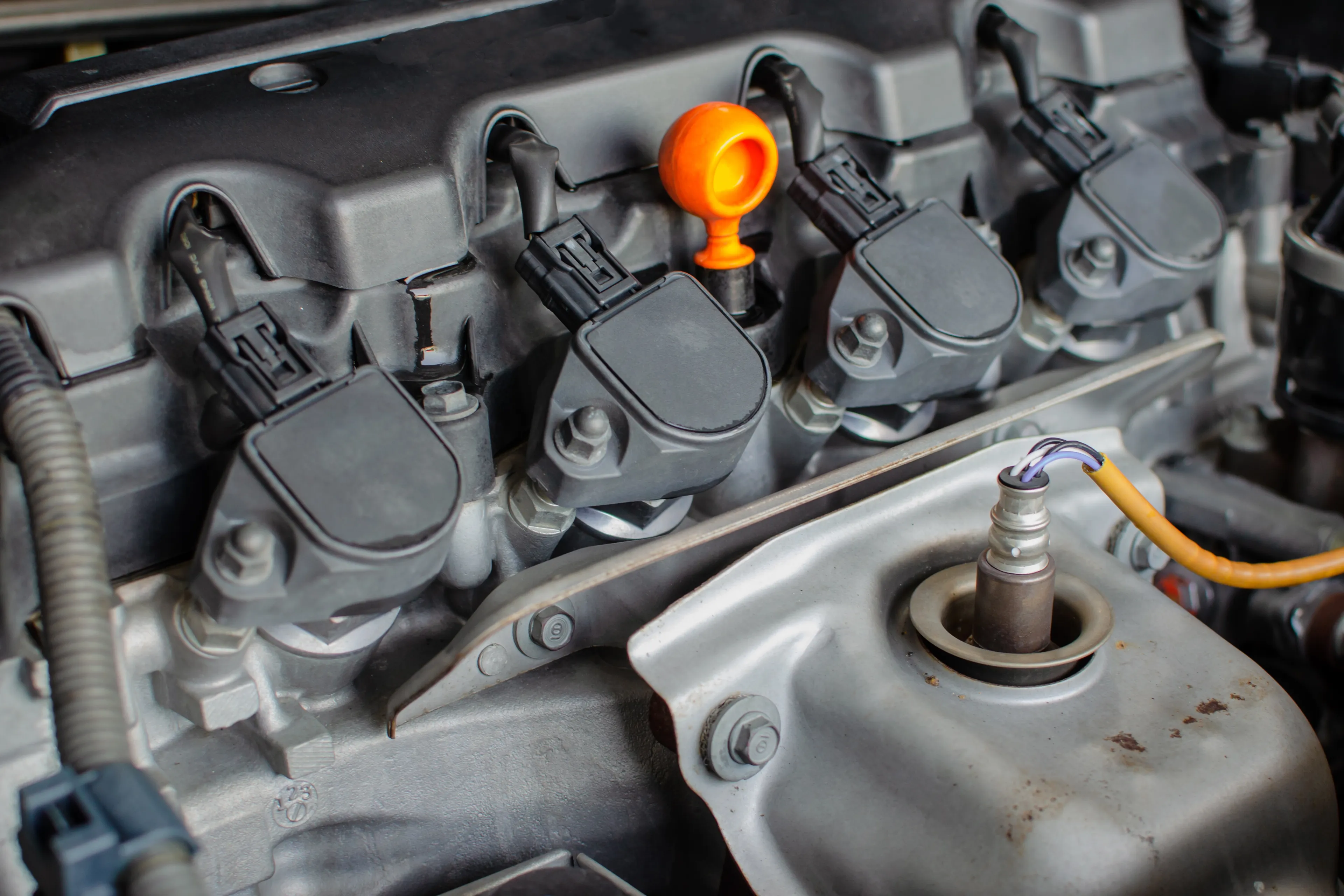
In modern cars, the most common design is the Coil-On-Plug system. Each coil mounts directly on the spark plug, allowing more precise ignition timing control. Also, each cylinder is assigned its own dedicated ignition coil that delivers stable high voltage, which also makes it easier to identify and replace a faulty coil.
Conclusion
Understanding how an ignition coil works gives you a significant advantage as a car owner. From the distributor system, DIS, to COP systems, this small component plays a massive role in your engine's performance; you’ll be better able to choose the right replacement part for your vehicle.
FAQ
How Does an Ignition Coil Know When to Spark?
The ECU can determine the correct ignition timing based on the signals from sensors such as the crankshaft position sensor and camshaft position sensor.
How Much Does the Ignition Coil Cost?
The ignition coil price ranges from $35 to $200, depending on your car’s make, model, and ignition system design.
What Are the Symptoms of a Bad Ignition Coil?
If the car stalls or misfires frequently, you may have a weak or broken ignition coil.
Can You Drive with a Bad Ignition Coil?
You shouldn’t. A faulty ignition coil can damage related parts, such as spark plugs and catalytic converters, and lead to engine misfires and stalling.