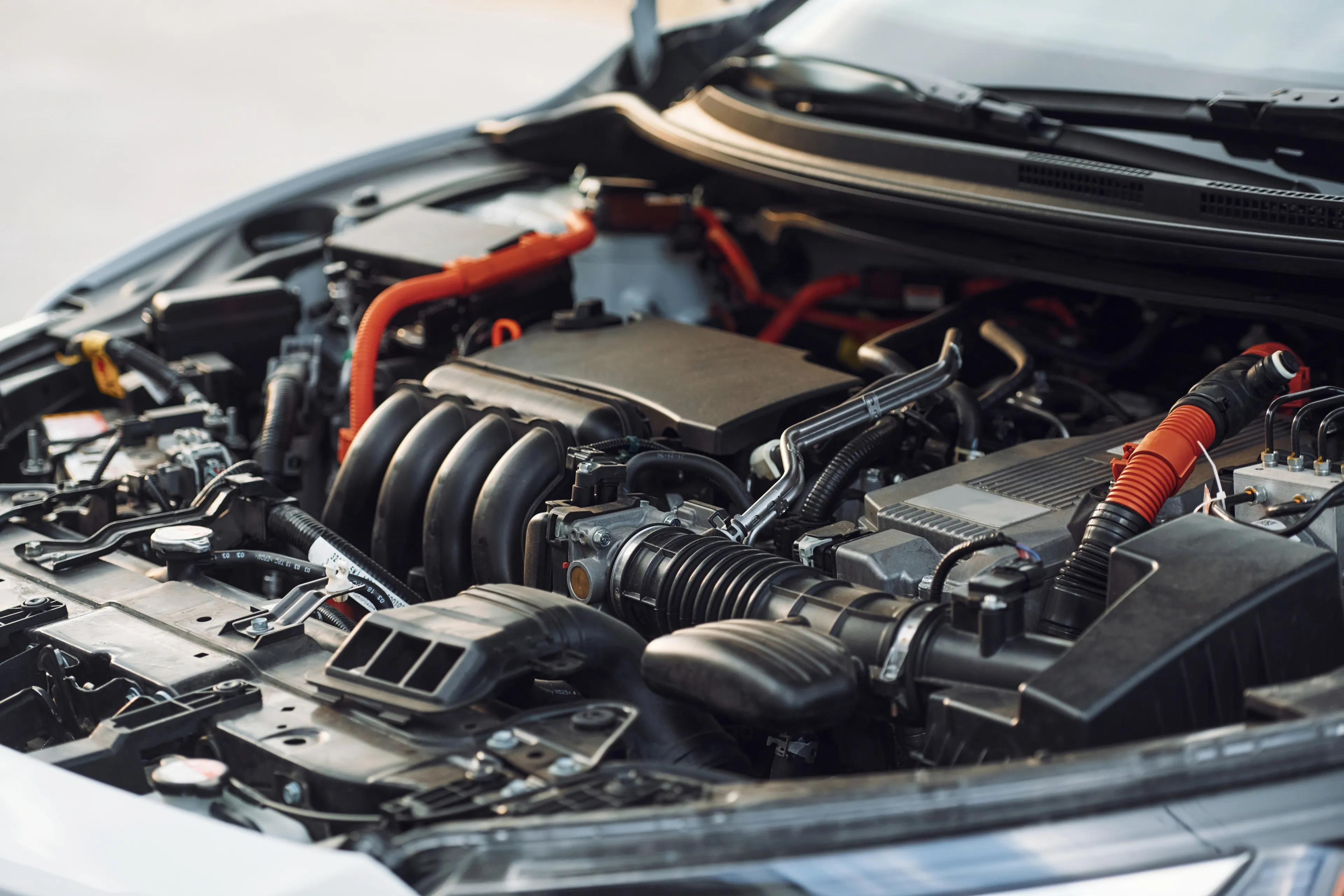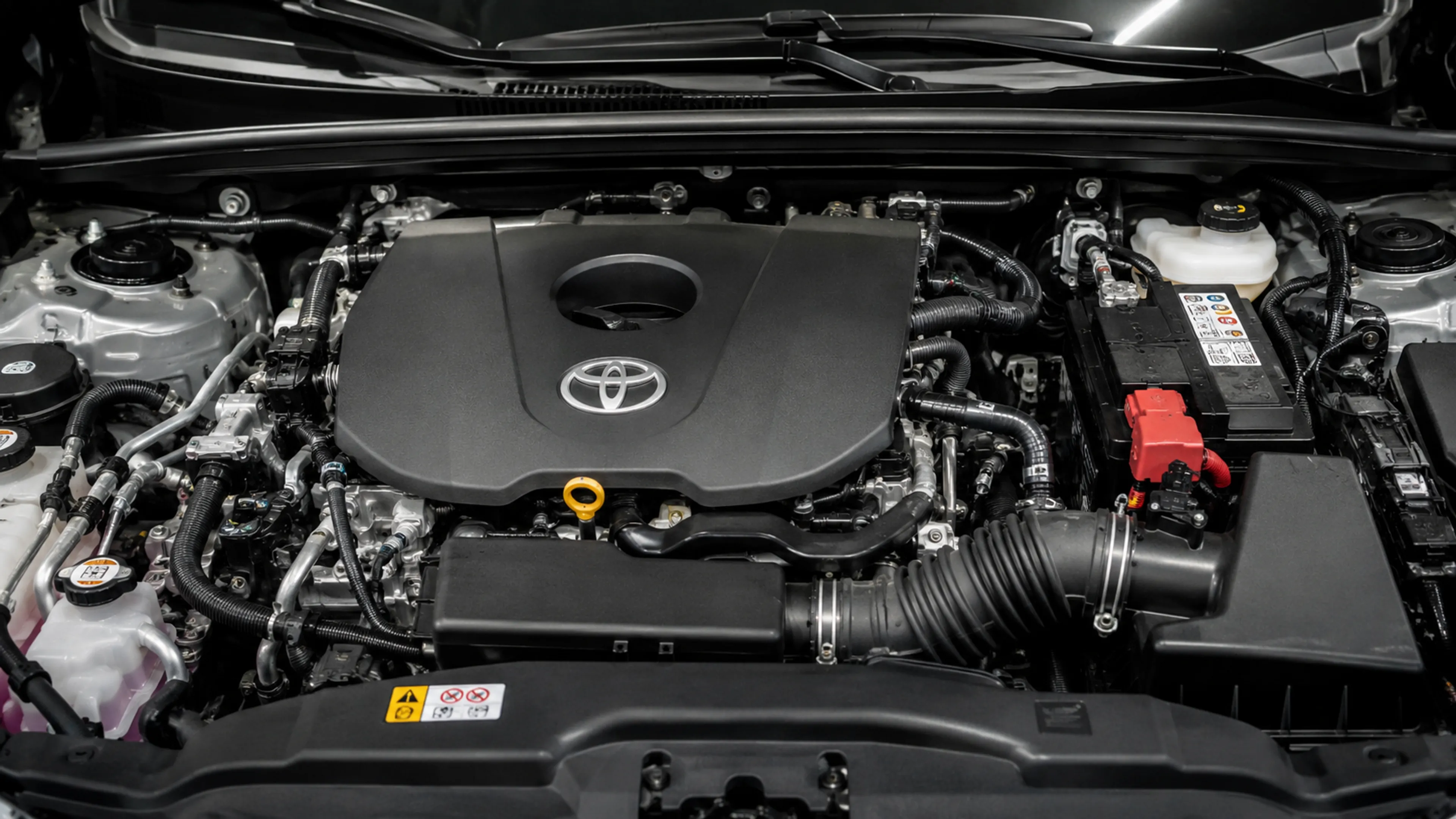
If your Toyota Camry suddenly starts shaking at idle, hesitates during acceleration, or feels less responsive than usual, a failing ignition coil could be one of the most common causes.
In many cases, ignition coil problems start gradually. The engine may misfire occasionally at first, especially during cold starts or hard acceleration. Over time, the misfires usually become more frequent, leading to rough idling, reduced fuel efficiency, and noticeable power loss while driving.
Some drivers also notice the check engine light appearing intermittently before the issue becomes constant. Because ignition coils are responsible for delivering the voltage needed for proper combustion, even one weak coil can affect overall engine performance.
If the problem is ignored for too long, it can place additional stress on spark plugs, fuel injectors, and the catalytic converter. As the misfires continue, the risk of more expensive engine repairs also increases.
In this guide, we’ll cover the most common Toyota Camry ignition coil symptoms, possible causes of ignition coil failure, how to identify the problem early, and when replacement may be necessary.
What Does an Ignition Coil Do in a Toyota Camry?
The ignition coil helps your Toyota Camry start and run smoothly by delivering the electrical spark needed for combustion inside the engine. Simply put, it helps ignite the air and fuel mixture so the engine can produce power.
When an ignition coil begins to fail, the affected cylinder may stop firing properly. In many cases, this leads to symptoms such as engine misfires, rough idling, hesitation during acceleration, poor fuel economy, or a noticeable loss of power.
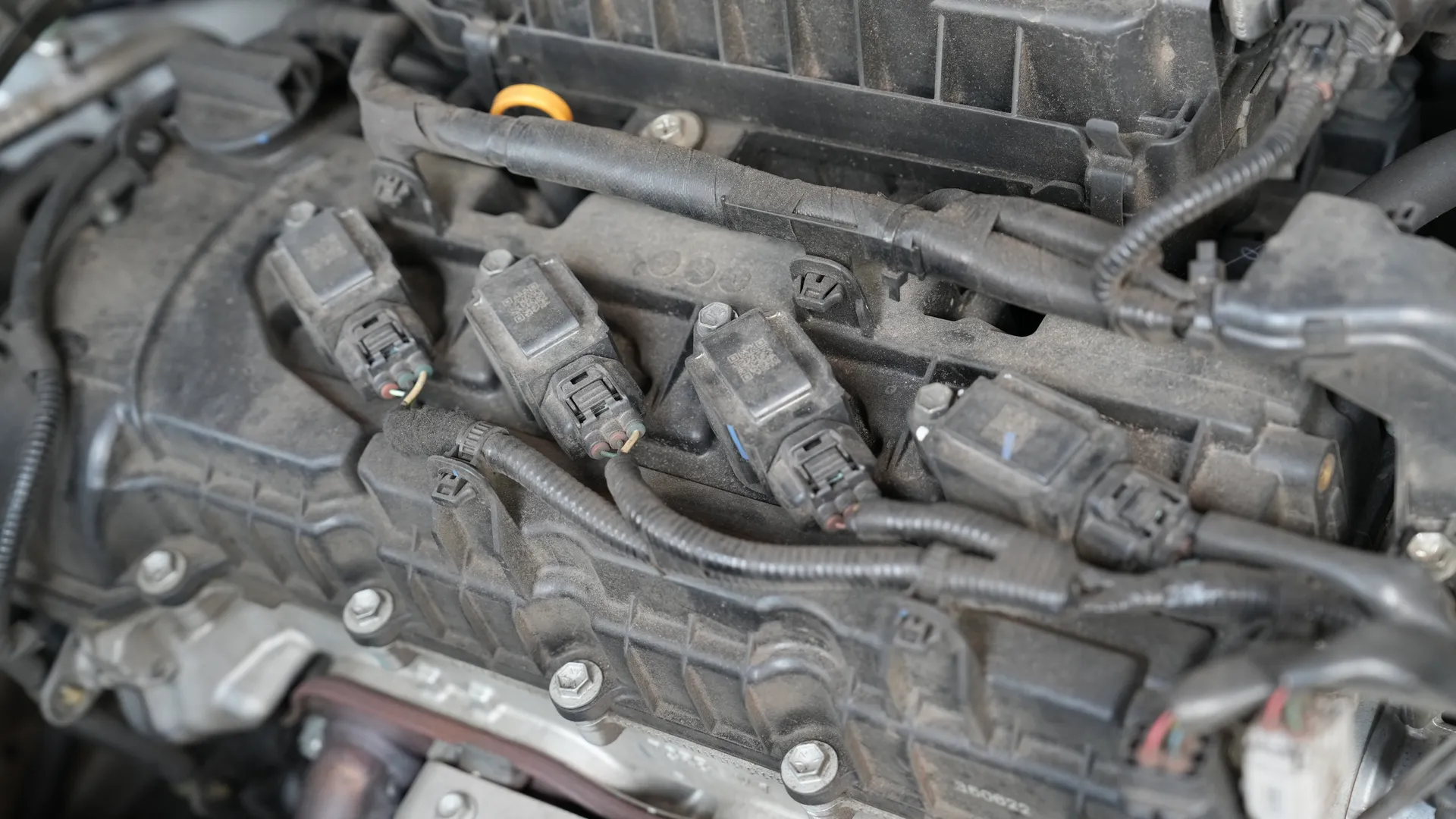
Most modern Toyota Camry models use an individual ignition coil for each cylinder, which helps improve ignition timing and overall engine performance. However, this also means a single failing coil can noticeably affect how the vehicle drives.
If you want to better understand how ignition coils work and the different ignition coil designs used in modern vehicles, check out our complete ignition coil guide.
6 Common Toyota Camry Ignition Coil Symptoms
Ignition coil problems usually don’t appear all at once. In many Toyota Camry models, the symptoms start subtly before becoming more noticeable over time. You may first notice occasional hesitation, rough idling, or poor acceleration before the engine develops more serious drivability issues.
Here are some of the most common signs of a failing ignition coil in a Toyota Camry.
Engine Misfires and Jerking Sensations
One of the earliest signs of a failing ignition coil is engine misfiring. You may notice your Toyota Camry jerking, stumbling, or vibrating during acceleration, especially when driving uphill or merging onto the highway.
In many cases, the jerking may only happen occasionally at first, but the misfires usually become more noticeable and frequent as the ignition coil continues to weaken over time.
Rough Idling at Traffic Lights
If your Toyota Camry feels unusually shaky while stopped at a red light or idling in traffic, a weak ignition coil may be causing uneven combustion inside the engine.
Some drivers describe the sensation as a slight vibration through the steering wheel or seats, especially after the engine warms up.
Sluggish Acceleration and Power Loss
A failing ignition coil can make your Toyota Camry feel noticeably less responsive when pressing the gas pedal. You may experience hesitation during acceleration, slower throttle response, or difficulty maintaining speed on inclines.
As the ignition coil weakens, the engine struggles to generate consistent combustion, leading to reduced overall performance.
Check Engine Light Appears
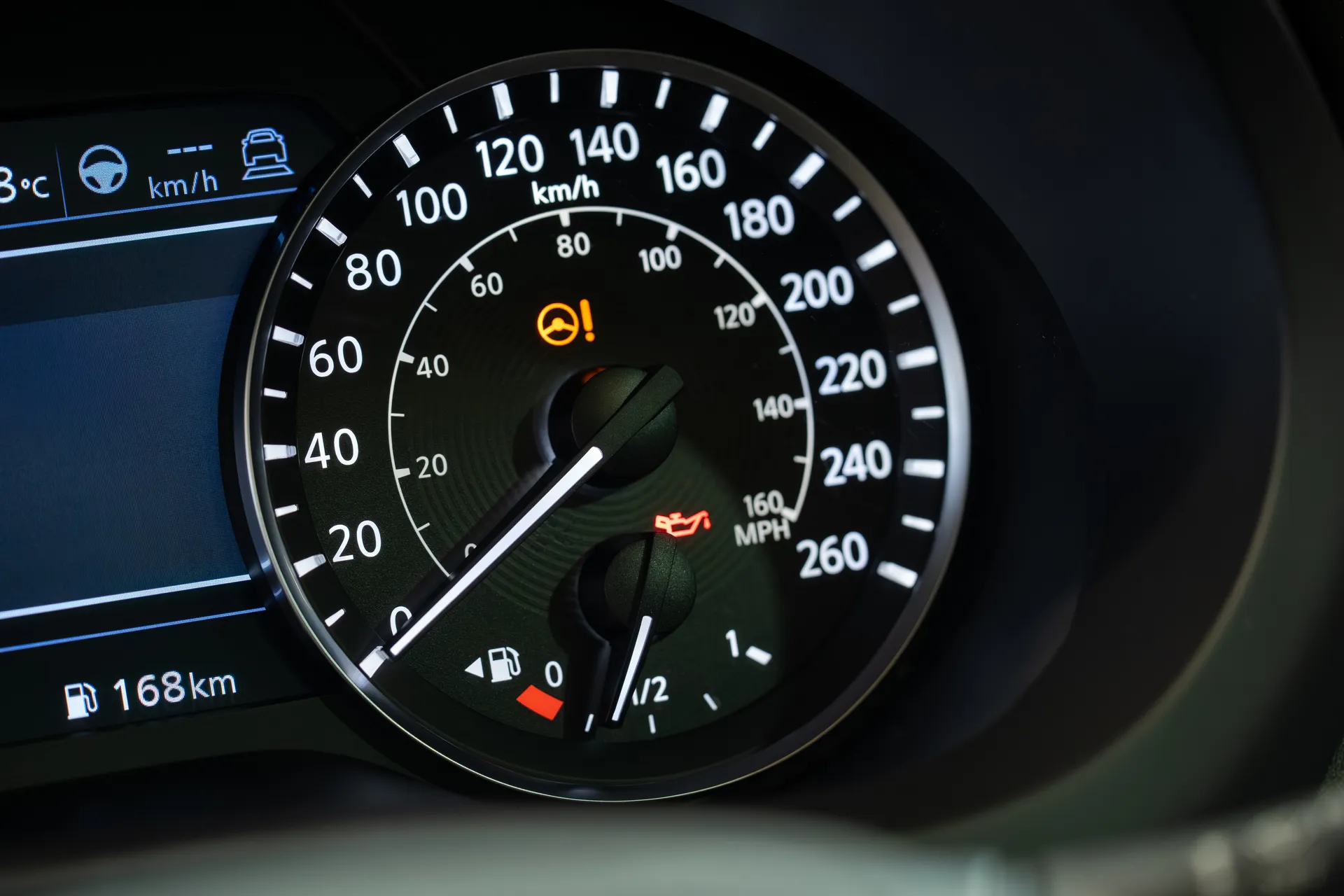
For many drivers, the check engine light is one of the first clear signs that something is wrong with the ignition system. In some cases, the light may appear intermittently at first before eventually staying on permanently as the ignition coil condition worsens.
Modern Toyota Camry models can detect cylinder misfires and ignition system irregularities through the ECU. Common diagnostic trouble codes related to ignition coil problems may include misfire codes such as P0300-P0304.
Increased Fuel Consumption
A failing ignition coil can disrupt the combustion process and cause the engine to burn more fuel than necessary. If you notice that your Toyota Camry suddenly requires more frequent trips to the gas station despite normal driving habits, ignition system problems could be contributing to the issue.
Because the air-fuel mixture is no longer burning efficiently, the engine often has to work harder to maintain normal performance.
Incomplete combustion not only reduces fuel efficiency but may also increase exhaust emissions over time.
Hard Starting or Sudden Stalling
As ignition coils continue to weaken, your Toyota Camry may become harder to start, especially during cold mornings or after sitting overnight.
In more severe cases, the engine may stall unexpectedly while idling or driving at lower speeds. Ignoring these symptoms for too long can increase the risk of further engine damage and leave you stranded unexpectedly.
What Causes Ignition Coil Failure in a Toyota Camry?
Ignition coils are designed to last for many years, but like most engine components, they can gradually wear out over time. In many Toyota Camry models, ignition coil problems often develop slowly before noticeable symptoms like misfires, rough idling, or power loss begin to appear.
Several factors can increase the risk of ignition coil failure.
Worn Spark Plugs
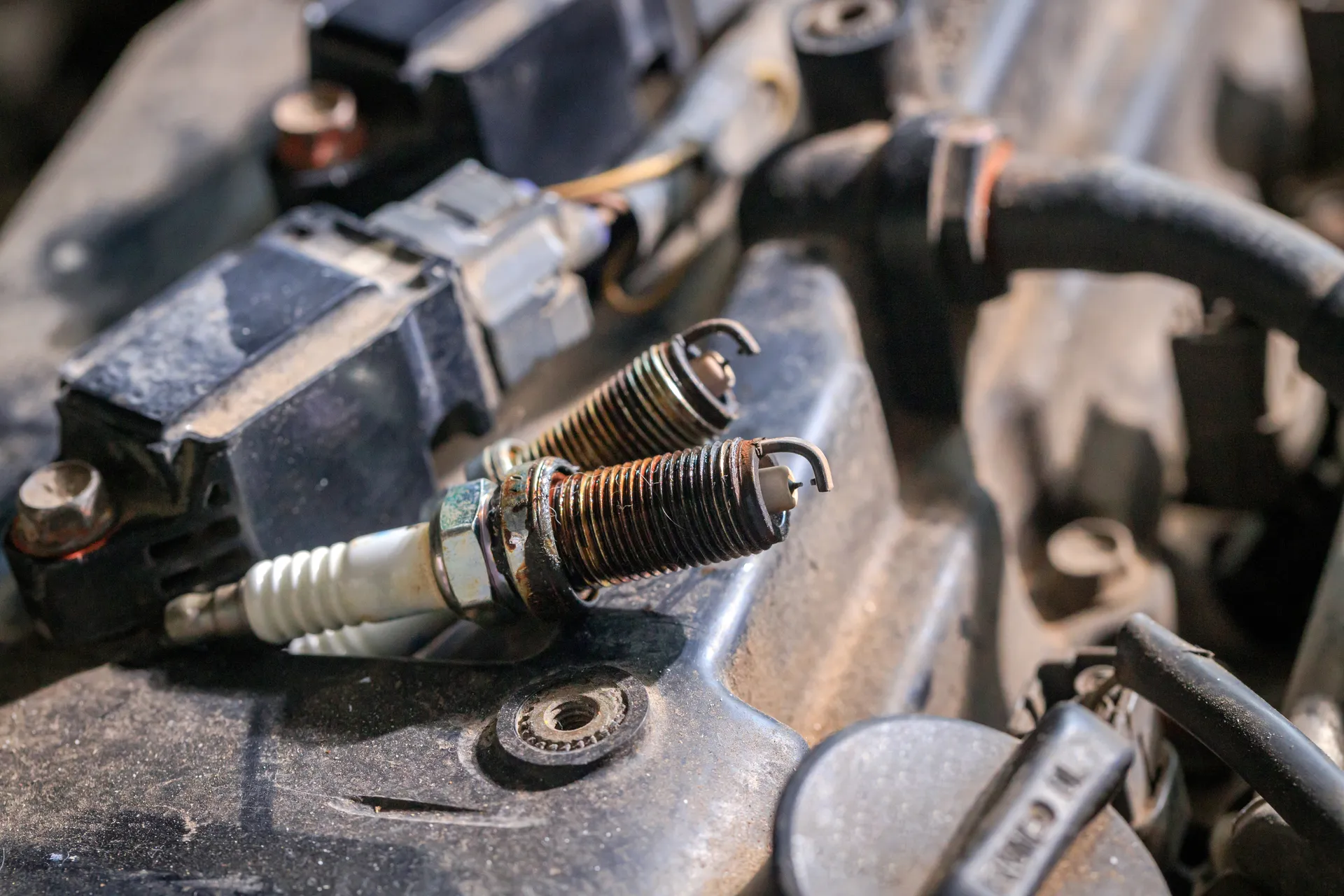
Worn or improperly gapped spark plugs are one of the most common causes of ignition coil failure. When the spark plugs require more voltage to create a spark, the ignition coils are forced to work harder than normal.
Over time, this additional stress can cause the ignition coils to overheat or wear out prematurely.
In many cases, drivers may replace a failed ignition coil without realizing worn spark plugs may have contributed to the problem in the first place. Because of this, inspecting or replacing the spark plugs is often recommended during ignition coil diagnosis.
Excessive Engine Heat
Toyota Camry ignition coils are constantly exposed to high temperatures inside the engine bay. After years of heat cycles, the internal components inside the coil can begin to break down.
This is especially common in older or high-mileage vehicles that spend a lot of time in heavy traffic or hot weather conditions.
As heat exposure continues over time, the ignition coils may struggle to maintain consistent spark performance.
Oil Leaks and Moisture Damage
Oil leaks from the valve cover gasket can allow engine oil to seep into the spark plug tubes, where the ignition coils are located. When oil or moisture reaches the ignition coil, it can interfere with the electrical connection and lead to misfires or weak spark performance.
Many drivers first notice the issue after the engine starts idling rough, hesitating during acceleration, or triggering a check engine light unexpectedly.
If the leak continues for too long, the excess heat and contamination can eventually damage both the ignition coils and spark plugs.
Age and High Mileage
In some Toyota Camry models, ignition coils may simply weaken over time due to age and mileage. As the internal insulation and electrical components wear down, the coils may struggle to provide consistent voltage for proper combustion.
Vehicles with over 100,000 miles are generally more likely to experience ignition coil related issues, especially if the spark plugs have not been replaced regularly.
In many cases, ignition coil problems become more noticeable gradually, starting with occasional misfires before developing into more consistent drivability issues.
If you notice symptoms like engine misfires, rough idling, or reduced fuel efficiency in your Toyota Camry, it may be time to inspect the ignition system before the problem becomes more serious.
How to Test a Toyota Camry Ignition Coil
If your Toyota Camry is experiencing engine misfires, rough idling, hesitation during acceleration, or a flashing check engine light, testing the ignition coils can help identify whether one of them is failing.
In many cases, ignition coil problems can be diagnosed using a few basic inspection methods before replacing any parts unnecessarily.
Use an OBD-II Scanner
One of the easiest ways to identify ignition coil related problems is by using an OBD-II scanner. Modern Toyota Camry models can store diagnostic trouble codes whenever the engine detects cylinder misfires or ignition system irregularities.
Common codes may include:
P0300 (random misfire)
P0301-P0304 (cylinder-specific misfires)
These codes can help narrow down which cylinder may be causing the problem and make diagnosis much easier.
Perform a Coil Swap Test
A coil swap test is another common way to confirm whether an ignition coil is faulty. During this test, the suspected ignition coil is moved to a different cylinder.
If the misfire code follows the ignition coil to the new cylinder location, the coil itself is usually the source of the problem.
Many technicians use this method because it helps rule out other possible causes such as fuel injectors or spark plugs.
Inspect the Ignition Coil for Damage
In some cases, a failing ignition coil may show visible signs of wear or damage. Cracks in the coil housing, oil contamination, corrosion, or burnt electrical connectors can all affect ignition performance.
Oil leaking into the spark plug tube is also a common issue in higher mileage Toyota Camry models and may lead to repeated ignition coil failure if left unrepaired.
Pay Attention to Driving Symptoms
Sometimes the driving symptoms themselves can help point toward a weak ignition coil. If your Toyota Camry jerks during acceleration, struggles during cold starts, or suddenly feels rough while idling, the ignition system may not be delivering consistent spark to one or more cylinders.
Because ignition coil symptoms can overlap with spark plug or fuel system issues, proper diagnosis is important before replacing parts.

Can You Drive With a Bad Ignition Coil in a Toyota Camry?
Technically, your Toyota Camry may still be drivable with a failing ignition coil, especially if only one cylinder is affected. However, continuing to drive with persistent misfires can place additional stress on the engine and ignition system over time.
Many drivers first notice the issue when the vehicle starts jerking during acceleration, idling roughly at traffic lights, or feeling unusually underpowered during normal driving. In some cases, the check engine light may begin flashing, which often indicates a more serious misfire condition.
If ignored for too long, a bad ignition coil can eventually damage surrounding components such as the spark plugs or catalytic converter. As unburned fuel continues passing through the exhaust system, repair costs can become significantly more expensive.
If your Toyota Camry is already showing clear ignition coil symptoms, replacing the faulty coil early can help restore smoother engine performance and reduce the risk of further engine damage.
Toyota Camry Ignition Coil Replacement Cost
Toyota Camry ignition coil replacement costs can vary depending on the model year, engine type, labor rates, and whether OEM or aftermarket parts are used.
In many cases, a single ignition coil may cost between $50 and $200 for the part itself, while total replacement costs with labor can range from approximately $150 to $400 or more.
Some drivers choose to replace only the failed ignition coil, while others replace multiple coils at the same time, especially on higher mileage vehicles where additional coils may begin failing soon after.
Replacing spark plugs together with the ignition coils is also commonly recommended because worn spark plugs can place additional stress on the new coils over time.

Bad Spark Plug vs Bad Ignition Coil: What’s the Difference?
Bad spark plugs and failing ignition coils can cause very similar symptoms in a Toyota Camry, which is why many drivers have difficulty telling the difference between the two problems.
Both issues can lead to:
· Engine misfires
· Rough idling
· Poor acceleration
· Reduced fuel economy
· Check engine light warnings
However, spark plug problems usually develop more gradually and are often related to normal maintenance intervals. Ignition coil problems, on the other hand, tend to cause more sudden or intermittent misfires, especially during acceleration or cold starts.
In many Toyota Camry models, a failing ignition coil may also trigger cylinder specific misfire codes that repeatedly point to the same cylinder.
Because the symptoms are so similar, inspecting both the spark plugs and ignition coils together is often the best way to identify the real cause of the problem. Catching ignition issues early can help restore smoother engine performance and prevent more expensive repairs later on.
FAQ
How Long Do Ignition Coils Last in a Toyota Camry?
Usually over 100,000 miles, but heat, worn spark plugs, oil leaks, and age can shorten their lifespan.
Can a Bad Ignition Coil Damage the Engine?
Yes. It can cause misfires and may lead to catalytic converter damage if ignored.
What Does a Bad Ignition Coil Feel Like While Driving?
Rough idle, hesitation, jerking during acceleration, and possible power loss.
Do You Need to Replace All Ignition Coils at the Same Time?
Not always. Often only the failed coil is replaced, especially for single-cylinder issues.
Can Bad Spark Plugs Cause Ignition Coil Failure?
Yes. Worn spark plugs increase coil load and can shorten its lifespan.