
Which parts do you check first when your engine starts acting up?
If you searched for oil on spark plugs, the first thing to check is where the oil is: on the threads, on the firing tip, or sitting in the spark plug well. Spark plugs are usually high on that list. They provide the spark your engine needs to ignite the air-fuel mixture inside each cylinder, and when the spark gets weak, the engine can start to misfire, idle rough, or feel down on power.
Oil on a spark plug makes the check less straightforward. A wet plug looks bad at first glance, but the oil doesn’t always come from the same place. It might be on the threads, near the tip, or sitting in the spark plug well before the plug even comes out. The small detail that matters here is simple: oil on spark plug threads tells a different story than oil on the tip.
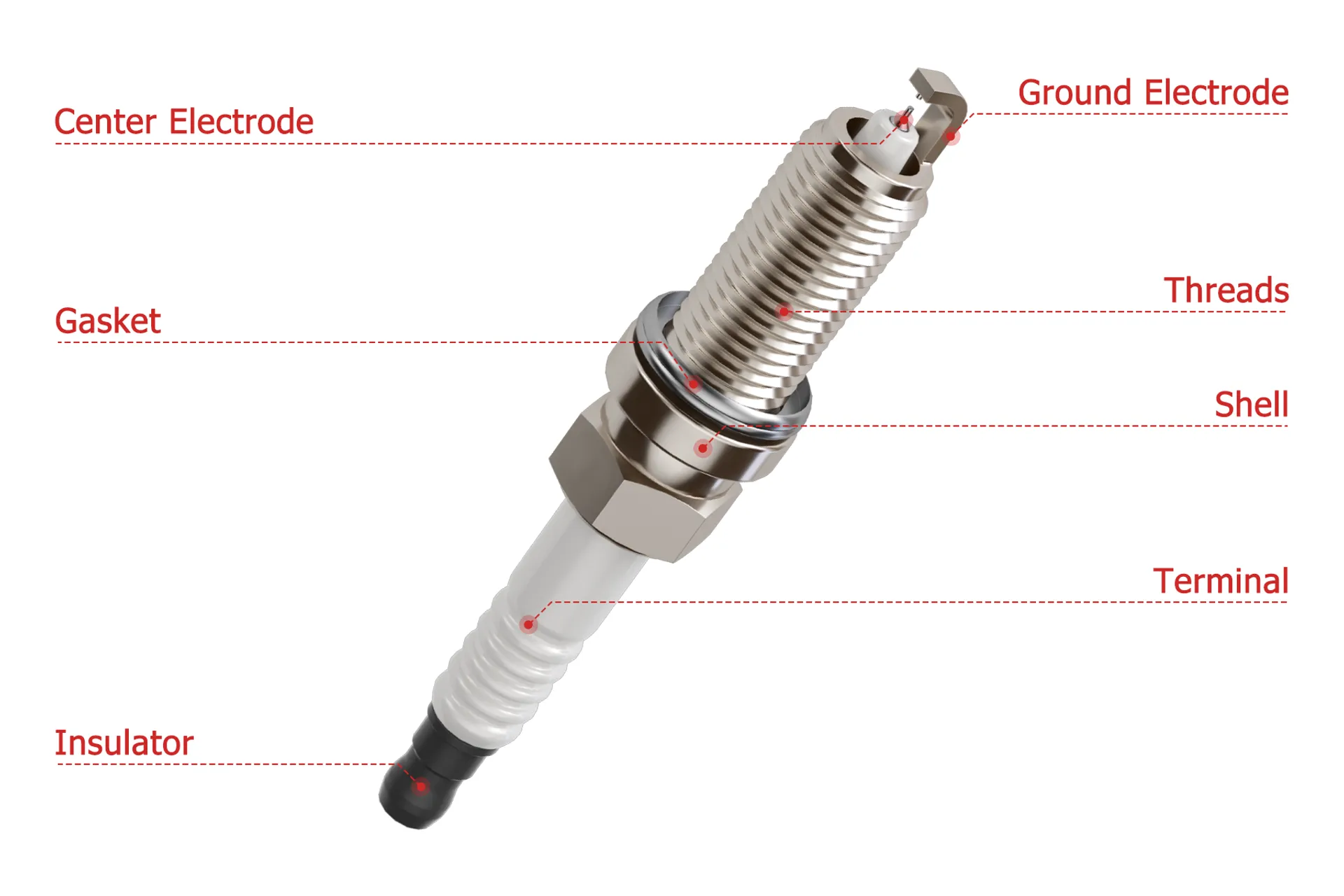
What Does Oil on Spark Plug Threads Mean?
Oil on spark plug threads is more often a sign of oil around the plug than a failed spark plug. The threads are exposed as the plug is loosened, so oil sitting in the plug well or around the plug hole can smear across them on the way out.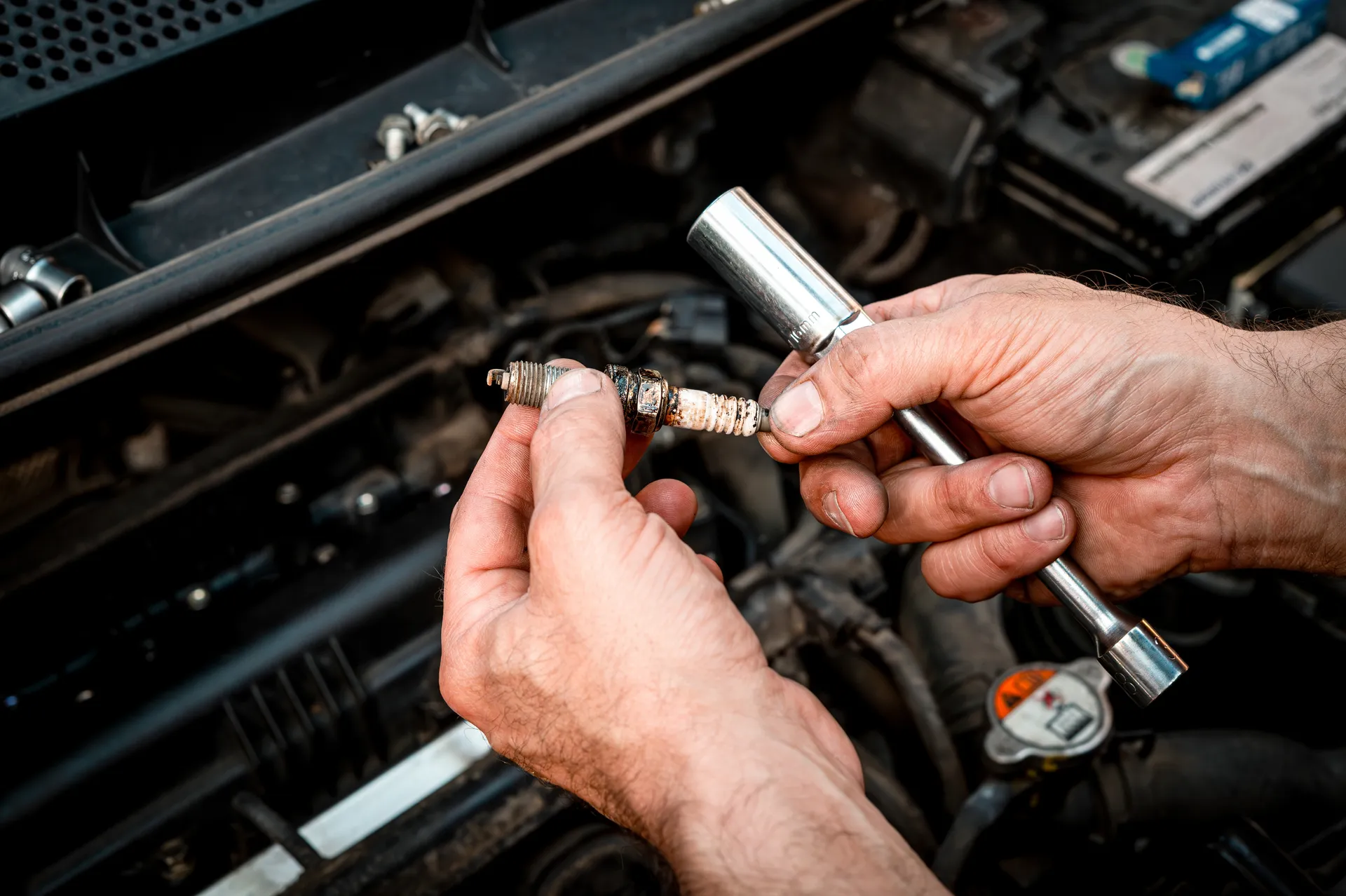 That’s the detail worth paying attention to. Wet threads alone don’t prove the engine is burning oil, and they don’t prove the plug is ruined. They tell you oil reached the plug area. The next job is finding where it came from.
Where Does the Oil Come From?
Oil on the threads often starts above the plug. If the upper threads are wetter than the lower threads, the oil likely touched the plug during removal rather than while the plug was firing inside the cylinder.
A leaking valve cover gasket is a common source on many engines. Once the gasket starts leaking near the spark plug area, oil can run down into the well and wait there until the plug is removed.
A worn spark plug tube seal leaves a similar mess, but the oil often sits deeper. Instead of a light stain near the opening, the plug well may look wet inside, and the threaded shell picks up oil as the plug comes out.
Old residue can fool you too. Oil from a past leak, a spill, or earlier repair work can sit near the plug hole and smear onto the threads. Fresh oil after cleaning is different. That points more toward an active leak.
Oil on Spark Plug Threads vs. Tip vs. Plug Well
The same oily plug can tell two very different stories. A dry tip with wet threads usually sends you toward the plug well or valve cover area. A wet tip pushes the concern closer to the inside of the cylinder.
| Where you see oil | What it suggests | Common source |
| On the spark plug threads | Oil coated the threaded shell, often during removal | Oil in the spark plug well, old residue, valve cover gasket leak, spark plug tube seal leak |
| On the spark plug tip | Oil reached the end of the plug inside the cylinder | Oil burning, worn piston rings, worn valve seals |
| In the spark plug well | Oil collected around the plug before removal | Valve cover gasket leak, spark plug tube seal leak |
Don’t read the threads by themselves. Look at the tip and the well before deciding how serious the oil is.
Is Oil on Spark Plug Threads Normal?
A small oil stain on the threads isn’t rare, especially on an older engine or a plug pulled through a dirty well. If the tip is dry, the engine runs normally, and the stain looks old rather than wet, it may just be residue from removal.
Fresh wet oil is the part to watch. Clean the area, run the engine, and check again. If the threads come back oily, or several plugs show the same pattern, the leak probably isn’t old.
The engine’s behavior matters too. Rough idle, misfires, hard starts, burning oil smell, or smoke from the exhaust make the oil harder to dismiss. At that point, it’s not just a dirty thread. It’s part of a bigger pattern.
Can You Drive With Oil on Spark Plug Threads?
A light stain on the threads isn’t a tow-truck situation if the engine runs smoothly. No misfire, no rough idle, no smoke, and a dry plug tip are all good signs.
Fresh oil is the line I wouldn’t ignore. Once oil keeps coming back, it can foul the plug, soften the coil boot, weaken the connection, and give you rough running that wasn’t there before. New plugs won’t stay clean for long if the leak is still feeding oil into the plug well.
Clean it, watch it, and don’t rush straight into a plug set. If the threads turn wet again after a short drive, trace the leak first.
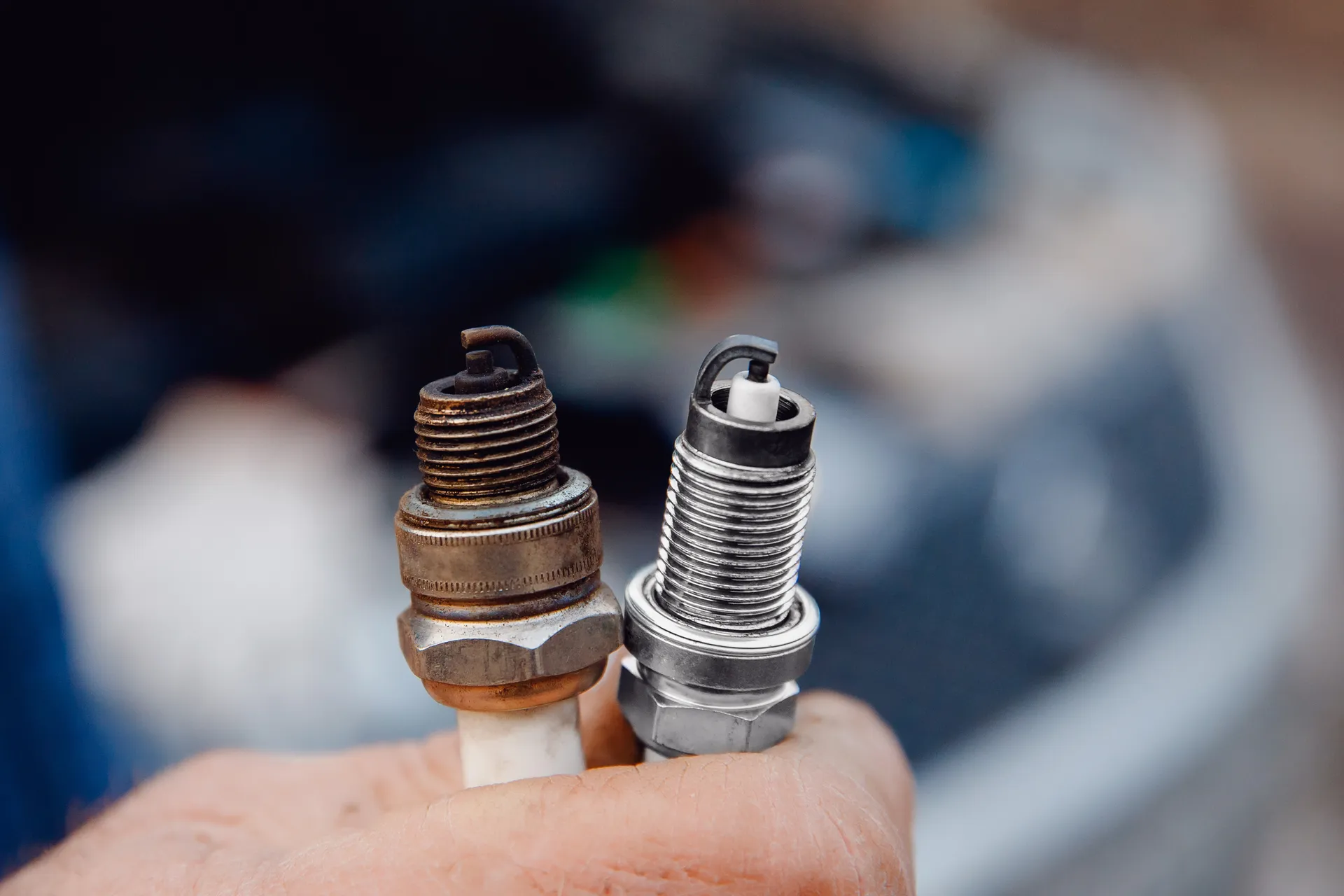
What Should You Do First?
Start with the plug well, not the parts store. If oil is sitting around the plug, replacing the spark plug won’t stop it from coming back.
Clean around the spark plug hole, wipe the threads, and look inside the well. A dry tip with oily threads points toward oil above the plug. A wet well points toward the valve cover gasket or tube seal. Fresh oil after cleaning means the source is still active.
If the oil is coming from the top of the engine, check the valve cover gasket and spark plug tube seals before replacing the plugs. Otherwise, the new plugs may look the same after a short drive.
FAQs About Oil on Spark Plug Threads
Can oil on spark plug threads damage the ignition coil?
The threads alone usually aren’t the problem. The concern is oil pooling in the spark plug well and reaching the coil boot. Over time, oil can soften the rubber, weaken the seal, and cause poor contact.
Should the threads be cleaned before reinstalling the spark plug?
Yes. Wipe the threads and clean the plug well before reinstalling or replacing the spark plug. Leaving oil behind makes it harder to tell whether the leak is still active.
Why is only one spark plug oily?
One oily plug usually points to a local leak near that plug, such as a tube seal problem or old residue around one plug hole. Several oily plugs make a wider valve cover gasket leak more likely.
Is a little oil on spark plug threads okay?
A small amount of oil on the threads is not always serious, especially if the plug tip is dry and the engine runs normally. Clean the area first, then check again later to see whether fresh oil comes back.
Why are the threads oily but the spark plug tip is dry?
This usually means the oil came from outside the combustion chamber. Oil may have been sitting in the plug well or around the plug hole, then smeared onto the threads as the plug was removed.
When should I worry about oil on spark plug threads?
You should check it sooner if the oil is fresh, several plugs are oily, the engine misfires, the coil boot is wet, or the spark plug tip is oily. Those signs make an active leak more likely.