One of the worst things during a hot summer drive is turning on your AC and realizing the air is no longer cold. Even though the system is still blowing air, warm airflow usually means something in the AC system is no longer working properly.
In many cases, the problem starts gradually. The air may feel weaker, take longer to cool, or stop feeling cold during hotter days or longer drives. Over time, the cooling performance usually continues to decline as more stress is placed on the AC system.
So what’s actually causing your car AC to blow hot air instead of cold air?
While several different issues can cause this problem, most cases are related to a few key AC components. Parts like the refrigerant system, compressor, condenser, cooling fans, and cabin air filter all play a major role in keeping cold air flowing through the vents.
Once one of these components starts to fail, the AC system can no longer cool the air efficiently — especially during hot weather or heavy driving conditions.
Below are some of the most common reasons a car AC starts blowing hot air, along with the parts that may need to be replaced.
Low Refrigerant Is One of the Most Common Causes of Hot Air From Your AC
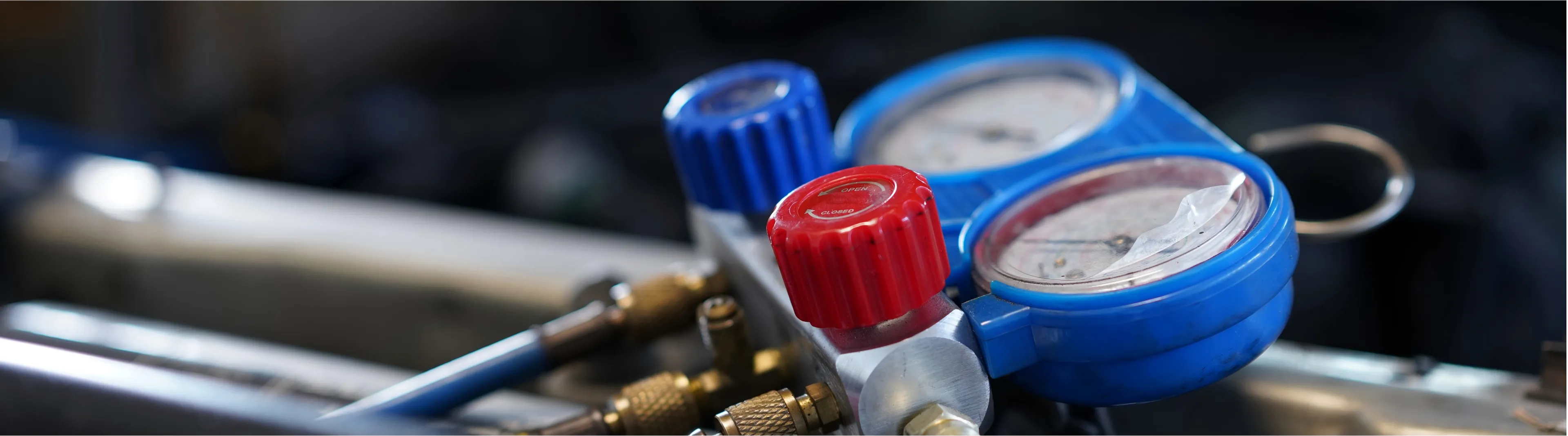
One of the most common reasons a car AC starts blowing hot air is low refrigerant. Refrigerant allows the AC system to absorb heat and produce cold air inside the cabin.
Over time, small leaks can develop in hoses, seals, or other AC system connections. As refrigerant levels slowly drop, the system becomes less effective at cooling the air.
In many cases, the problem starts gradually. The air may still feel cool at first, but it often becomes weaker or warmer during hot weather, long drives, or when the vehicle is sitting in traffic.
Some common signs include:
Some of the most common signs of low refrigerant include:
- AC blowing warm or slightly cool air
- Weak cooling during hot weather
- Cooling performance that gets worse while idling
- AC taking longer to cool the cabin
Once refrigerant levels become too low, the AC system has to work much harder to maintain cooling performance. If ignored for too long, the added strain can eventually damage other components — especially the AC compressor.
In many cases, fixing refrigerant leaks and restoring proper refrigerant levels helps the AC system cool more efficiently and prevents additional strain on surrounding components.

A Bad AC Compressor Can Cause Your Car AC to Blow Hot Air
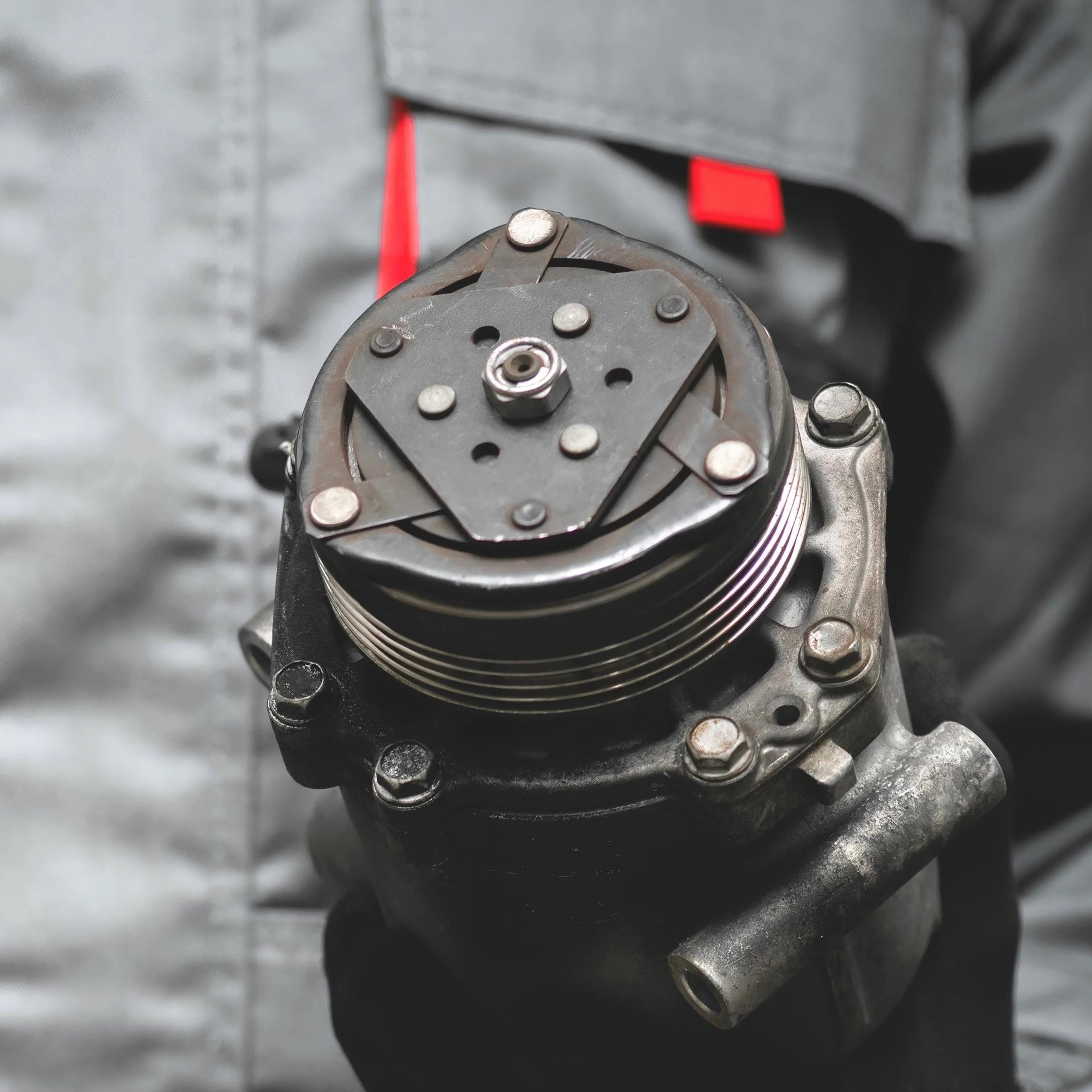
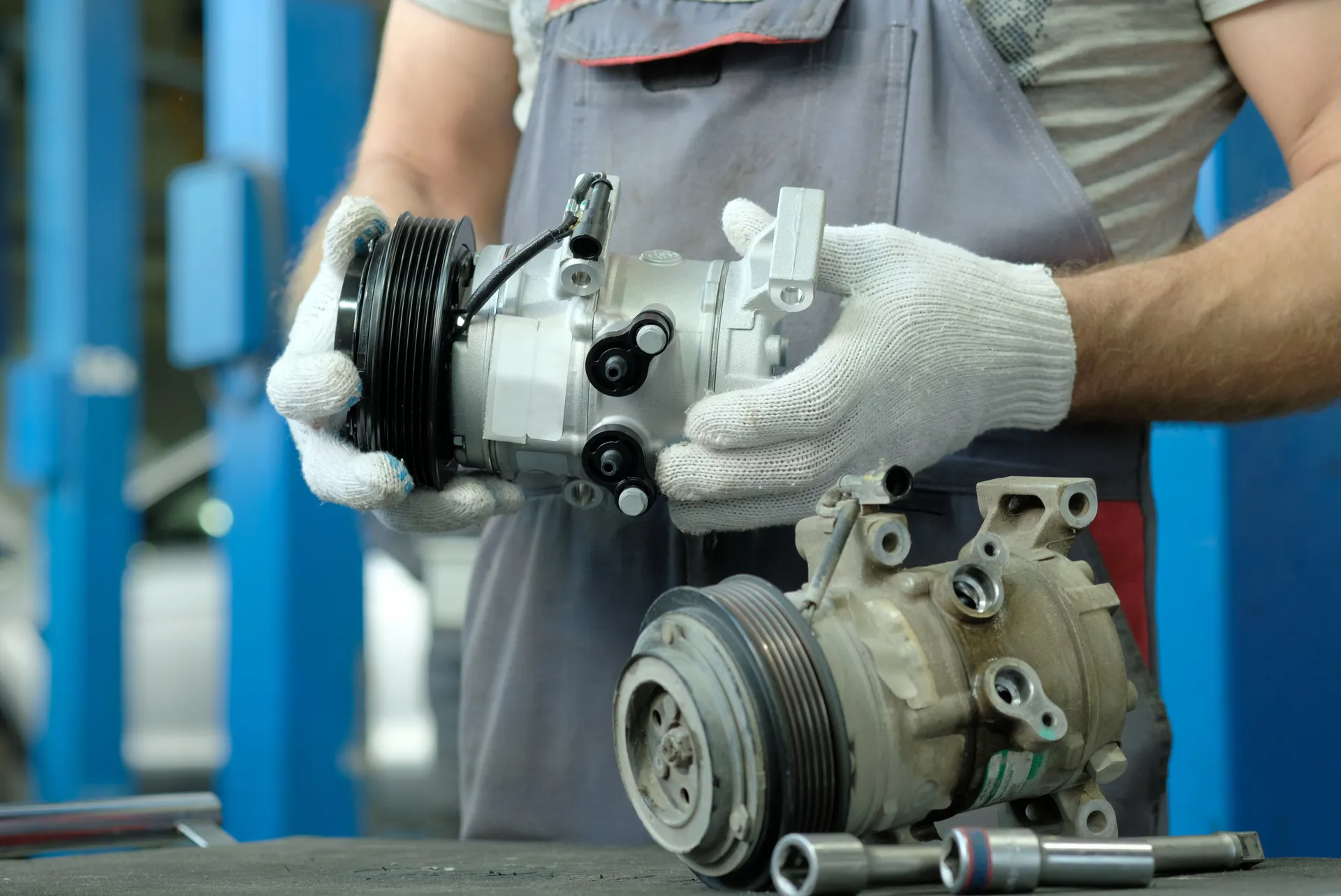
The AC compressor is one of the most important parts of your vehicle’s air conditioning system. It keeps refrigerant moving through the system so heat can be removed from the cabin and released outside.
In many cases, compressor problems do not happen all at once. The AC may still work occasionally at first, but the cooling usually becomes weaker and less consistent over time. You might notice the cabin takes longer to cool down, especially during hotter weather or while sitting in traffic.
As the compressor continues to wear out, it may struggle to maintain proper refrigerant pressure and circulation. Once that happens, cold air usually becomes weaker until the system eventually starts blowing warm air through the vents.
This is especially common in older or high-mileage vehicles where the AC system has been under years of heat and pressure. Many drivers experiencing Volvo AC compressor problems often notice intermittent cooling long before the compressor completely stops working.
Some common signs of a failing AC compressor include:
· Warm air coming from the vents
· Weak cooling during hot weather
· Clicking, rattling, or grinding noises when the AC is running
· Intermittent cooling performance
· The AC working briefly before turning warm again
Once compressor wear becomes severe, the issue usually will not improve on its own. Continued use can place additional strain on surrounding AC components and may eventually lead to more expensive system repairs.
In many cases, replacing the AC compressor helps restore proper refrigerant circulation and allows the AC system to cool the cabin more consistently again.
A Clogged or Damaged AC Condenser Can Reduce Cooling Performance
Many drivers first notice condenser-related AC problems while sitting in traffic, idling at a stoplight, or driving on extremely hot days. The AC may still feel cold while driving at higher speeds, but once the vehicle slows down, the air coming from the vents often becomes noticeably warmer.
This happens because the condenser relies on outside air to help remove heat from the AC system. When the vehicle is moving, outside air passes through the condenser more efficiently, helping the refrigerant cool before it cycles back through the system.But during slow driving or long idle periods, reduced airflow makes it harder for the system to release heat properly.
Over time, dirt, bugs, dust, and road debris can also build up on the condenser surface and further restrict airflow. In some cases, the condenser fins may even become bent or damaged, making it even harder for the AC system to stay cold consistently.
As the condenser becomes more restricted, the AC often struggles to stay cold for long periods — especially during heavy traffic or hot summer weather.
Common signs of a restricted or damaged condenser include reduced cooling at idle, weaker AC performance in traffic, and air that feels colder at highway speeds than during stop-and-go driving.
In many cases, cleaning heavy debris from the condenser can improve cooling performance. But if the condenser is physically damaged or leaking, replacement is usually the only long-term fix.

Electrical Problems Can Cause Your AC to Blow Hot Air Intermittently
Electrical AC problems often feel very different from mechanical failures. Instead of slowly losing cooling performance over time, the system may suddenly stop blowing cold air without any warning.
In many cases, the AC works normally one moment and then unexpectedly starts blowing warm air the next. Some drivers notice the problem only happens occasionally, while others find that the system turns on and off inconsistently from one drive to another.
In many cases, the issue comes from a faulty relay, blown fuse, bad sensor, or another electrical component that intermittently interrupts the AC system. Even a small electrical fault can prevent the compressor or cooling fans from operating properly.
Because the issue comes and goes, many drivers assume the problem is minor at first, which often makes electrical issues difficult to diagnose early on.
Many drivers first notice electrical-related AC problems when:
· The AC suddenly starts blowing warm air during driving
· The system works normally on some trips but not others
· The AC does not respond immediately when turned on
· The blower fan continues running, but no cold air comes from the vents
· Cooling returns temporarily before failing again unexpectedly
Unlike low refrigerant or compressor wear that typically gets worse over time, electrical issues often happen suddenly and without a consistent pattern.
Once the faulty electrical component is repaired or replaced, the AC system can usually return to normal operation.
A Dirty Cabin Air Filter Can Restrict AC Airflow
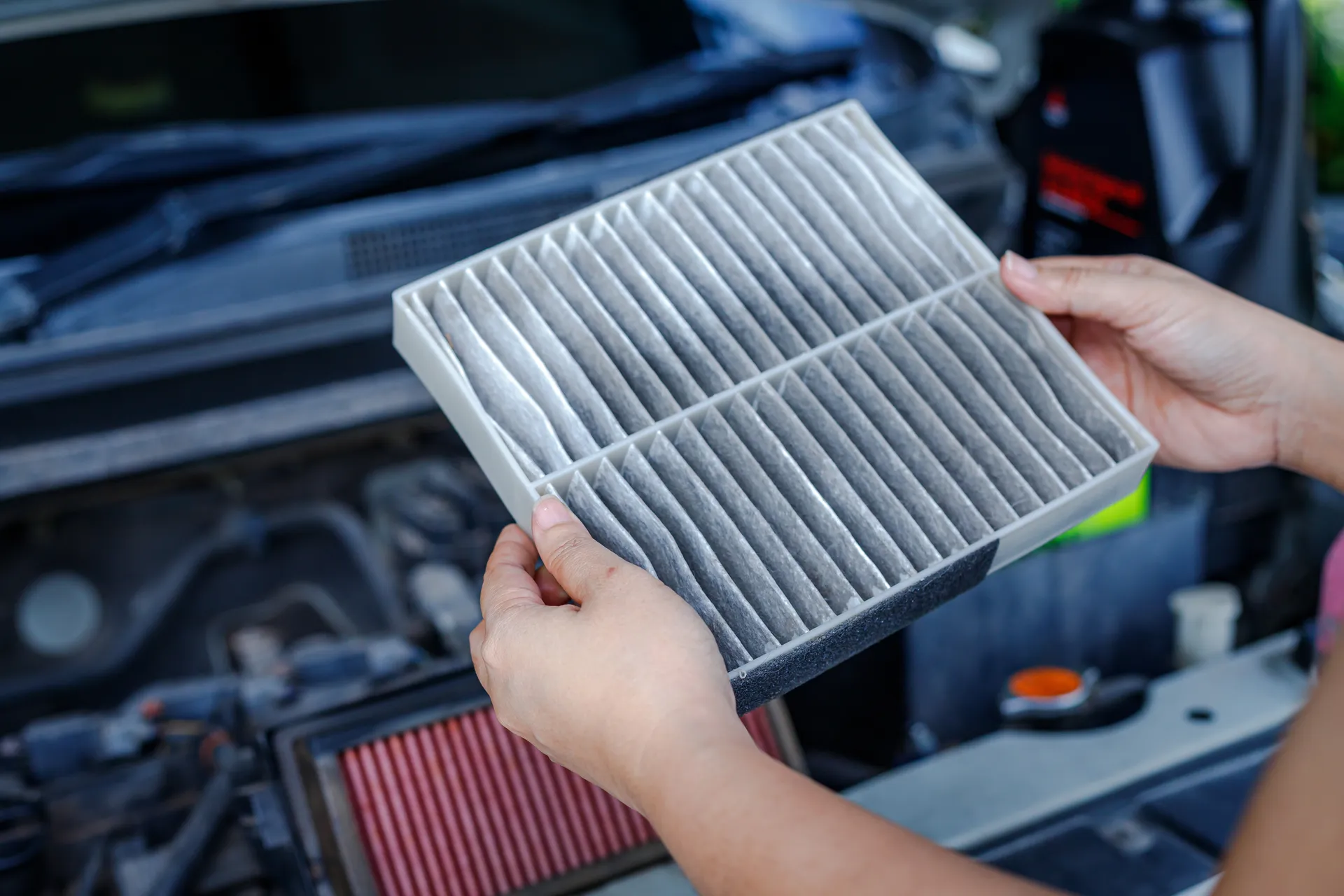
Sometimes, the problem is much simpler than drivers expect. Even when the AC system itself is still working properly, a dirty cabin air filter can make the airflow from the vents feel much weaker than usual.
Over time, dust, pollen, dirt, and other debris gradually collect inside the filter. As more debris builds up, less air is able to pass through the system and into the cabin.
Many drivers first notice that the airflow feels weaker even when the fan speed is turned up. In some cases, the cabin may take much longer to cool down during hot weather, making it seem like the AC is no longer cooling properly.
Unlike compressor or refrigerant issues, cabin air filter problems usually affect airflow more than actual cooling temperature. The air coming from the vents may still feel cold, but it no longer flows as strongly as before.
Some vehicles may also develop a dusty or musty smell from the vents as the filter becomes more clogged over time.
Because cabin air filters gradually collect debris during normal driving, many drivers do not notice the problem until airflow becomes severely reduced.
In many cases, replacing the cabin air filter is a simple and inexpensive way to help restore stronger airflow and improve overall cabin cooling.
Why You Shouldn’t Ignore Hot Air From Your Car AC
When your car AC starts blowing warm air, the problem usually does not go away on its own. In many cases, what begins as slightly weaker cooling can eventually turn into a complete loss of cold air — especially during extreme summer temperatures.
Some issues, such as a dirty cabin air filter or low refrigerant, may be relatively simple to fix if caught early. But problems involving the AC compressor, condenser, or electrical system can become much more expensive if the system continues running under added stress.
Because many AC problems develop gradually, drivers often continue using the system long after cooling performance starts to decline. Unfortunately, this can place additional strain on surrounding AC components and lead to more extensive repairs over time.
If your AC is already blowing warm air, blowing cold air inconsistently, or struggling during hot weather, inspecting the system early can help prevent further damage and restore more reliable cooling performance before the issue becomes more serious.

FAQ
Why is my car AC blowing hot air but the fan still works?
If the fan is still running but the air is warm, the AC system is likely no longer cooling properly. Low refrigerant, compressor problems, condenser issues, or electrical faults are some of the most common causes.
Why does my AC blow cold air while driving but warm air at idle?
This usually points to restricted airflow through the condenser or cooling fan problems. The AC may cool normally at higher speeds but struggle in traffic or while idling.
Can low refrigerant cause my car AC to blow hot air?
Yes. Low refrigerant reduces the system’s ability to remove heat, which often causes the AC to blow warm or weak cold air.
Why does my AC work sometimes and then stop cooling?
Intermittent cooling is often caused by electrical issues, faulty sensors, or a failing compressor clutch. The AC may work normally during one drive but suddenly stop cooling during another.
Can a dirty cabin air filter affect AC performance?
Yes. A clogged cabin air filter can restrict airflow from the vents and make the AC feel much weaker, especially during hot weather.
Will my car AC problem get worse if I ignore it?
In many cases, yes. Problems like low refrigerant or compressor wear can place additional stress on the AC system and eventually lead to more expensive repairs.