If your power locks only work occasionally, it’s easy to assume the door lock actuator has failed. And you’re ready to order a replacement. But hold on. From our experience, it’s not always caused by a bad actuator. There are a few simple tests to help you pinpoint the real problem.
What Does a Door Lock Actuator Do and Why Test It?
A door lock actuator is a small electric motor inside the vehicle door that locks and unlocks the latch when it receives a signal from the key fob, door switch, or remote entry system.
What Does a Door Lock Actuator Do?
Every time you press the lock button, the body control module (BCM) sends an electrical signal to the door lock actuator. The actuator could push or pull the lock linkage to lock or unlock the door.
How Can You Tell if a Door Lock Actuator Is Bad?
The following symptoms may point to a failing door lock actuator, but they don't confirm the actuator is the problem.
· Clicking or Grinding Noise: Listen for unusual sounds inside the door panel. A clicking or buzzing noise often means the actuator is receiving a signal but cannot complete the movement. However, a similar symptom can also come from a binding door latch, damaged linkage, or unstable power supply caused by wiring issues.
· Response Intermittently: In some cases, the actuator becomes stuck due to worn gears.
But if the electrical connectors are loose or the switch is faulty, the actuator cannot respond to the signal either.
· Door Lock Warnings: Some vehicles may show security or door lock warnings when a problem occurs in the locking system. A faulty door lock assembly, damaged connectors, or mechanical issues may cause similar symptoms. So further diagnosis is necessary.
Tools Needed to Test a Door Lock Actuator
Before testing, you need to gather the following tools to ensure a safe, proper diagnosis.
Safety tools include gloves, which protect your hands from sharp edges.
Removal tools: screwdrivers and a socket set with 8mm, 10mm, and 12mm.
Multimeter: the main diagnostic tool used to check the voltage and power supply during the testing process.
How to Test a Door Lock Actuator With a Multimeter
A bad fuse, failed switch, or wiring issue can also create symptoms similar to the bad door lock actuator. Following these steps helps you avoid replacing a still good actuator. So take time to find the real cause.
Step 1: Check the Fuse
Start by checking the door lock fuse. It could save you a lot of time and effort because it's a relatively simple step in the process.
Find the fuse, remove it, and look through the plastic housing to check the metal strip inside. If it’s broken or has burn marks, the fuse has been blown.
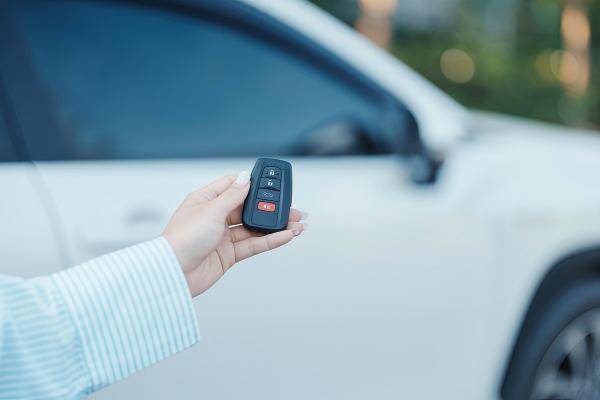
After replacing the fuse (if necessary), inspect the door functions: use a remote key or press the door button to check whether the door operates normally.
Step 2: Test the Switch
If the fuse looks good, test the switch next. The switch sends a signal to the control module when you press the lock or unlock button.
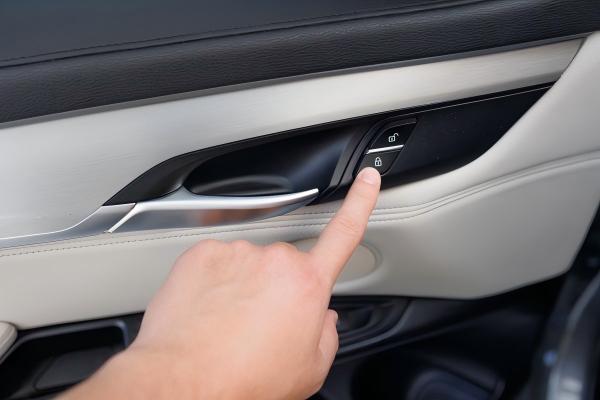
Press the button several times to observe whether the affected door responds. If not, the problem could be related to the switch, BCM, and wiring. You should use a multimeter to inspect the switch output.
Step 3: Check the Wiring and Connectors
Based on our experience, you should inspect the wiring that connects the actuator when the fuse and switch work properly. Sometimes, a wire can break while the outside insulation still looks normal.
Besides checking the door harness, you need to check for a watershield behind the door panel. If it’s loose or broken, water can easily enter the door, causing corrosion of the wiring. Then, you could check connectors near the actuator plug for corrosion. If they’re severely damaged, the wiring and connectors need to be repaired before replacing the actuator assembly.
Step 4: Check Voltage at the Actuator Connector
When everything seems all right, you may also notice the lock moves slowly, gets stuck halfway, or works only sometimes. At this point, a final electrical test could help you confirm the failure.
Remember to disconnect the battery’s negative terminal before accessing electrical connectors and removing the actuator. This can protect you from electrical shock.
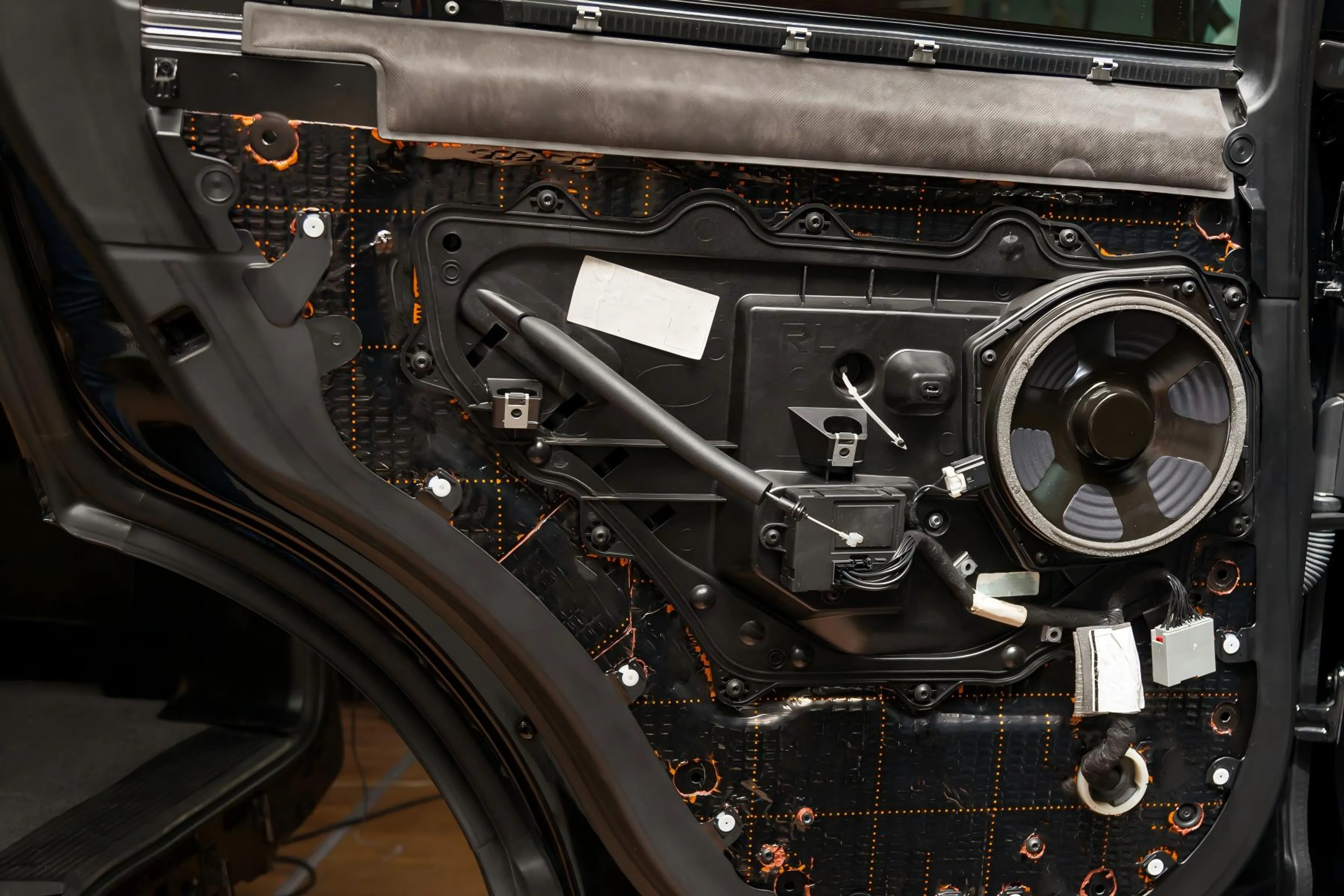
Disassemble the door panel. Sometimes, you need to remove the speaker, lights, and other components to access the actuator.
Next, disconnect the actuator connector and use a multimeter to measure the voltage at the terminals.
How to connect to the terminals? Connect the multimeter's red lead to one terminal and the black lead to the other terminal. Then, press the lock and unlock buttons while you watch the voltage reading. There are 2 results:
|
Normal |
Abnormal |
|
|
Terminal A |
Voltage Changes(12 V) |
No Voltage |
|
Terminal B |
Voltage Changes(12 V) |
No Voltage |
|
Actuator |
Moves |
Does Not Move |
What to Do After Testing a Faulty Door Lock Actuator?
When you confirm that the actuator is malfunctioning, it indicates the motor becomes worn or the gears are damaged. They cannot be repaired and should be replaced as a complete assembly. Follow our door lock actuator replacement guide to help you complete the job safely and correctly.
FAQs
How to Inspect Door Lock Latch and Linkage
After removing the door panel, you can move the door latch manually to check for smooth operation. If the latch works properly, it moves freely and returns to the original position without sticking.
Then, you can inspect the linkage rod for any sign of damage, like bends or looseness.
How Many Volts Should a Door Lock Actuator Receive?
Most door lock actuators receive approximately 12 volts when the lock or unlock button is pressed.
Can a Weak Car Battery Affect Car Lock?
Yes. A weak car battery can reduce the voltage available to the power door lock system, causing the actuator to move slowly, operate intermittently, or fail to lock and unlock the doors.
How to Reset Door Lock Actuator?
In most cases, a new door lock actuator doesn't require a reset after installation. Once you complete the replacement, simply use your remote key or press the driver-side and passenger-side switches. Test both the lock and unlock functions several times to confirm everything is working as expected. If it seems stuck, you can check the door lock cylinder and rod for misalignment.
Can You Lubricate An Actuator?
The “lubrication” mentioned here does not refer to the door lock actuator itself. Instead, it means you need to lubricate the door lock cylinder and latch as routine maintenance. Each component requires the appropriate type of lubricant. If the actuator's internal gears are worn or damaged, replace the entire actuator rather than lubricate it.