
A door lock actuator is a crucial component of your car’s power lock system. When a remote button or key fob is pressed, the actuator receives the signal and powers the mechanism to lock or unlock the door. The actuator’s parts — electric motor, metal rod, and a series of gears — are prone to wear and tear over the years. However, replacing a bad door lock actuator is a relatively simple task for most car owners. Follow the steps below to replace it yourself.
Before replacing the door lock actuator, make sure you’ve ruled out the other potential causes. In some cases, a bad remote battery or key fob may be the real cause: if you have to press the button several times before the doors unlock and there are no other symptoms, the issue may simply be a weak remote battery. Here’s a simple test: replace the remote battery or check the lock switch. If nothing changes, your door lock actuator has probably failed.
3 Symptoms of a Failing Door Lock Actuator
A door lock actuator is a small but essential component, responsible for the smooth operation of locking or unlocking the car. Any faults in its operation may indicate potential issues. Moreover, you can often diagnose the exact problem and restore its functionality.
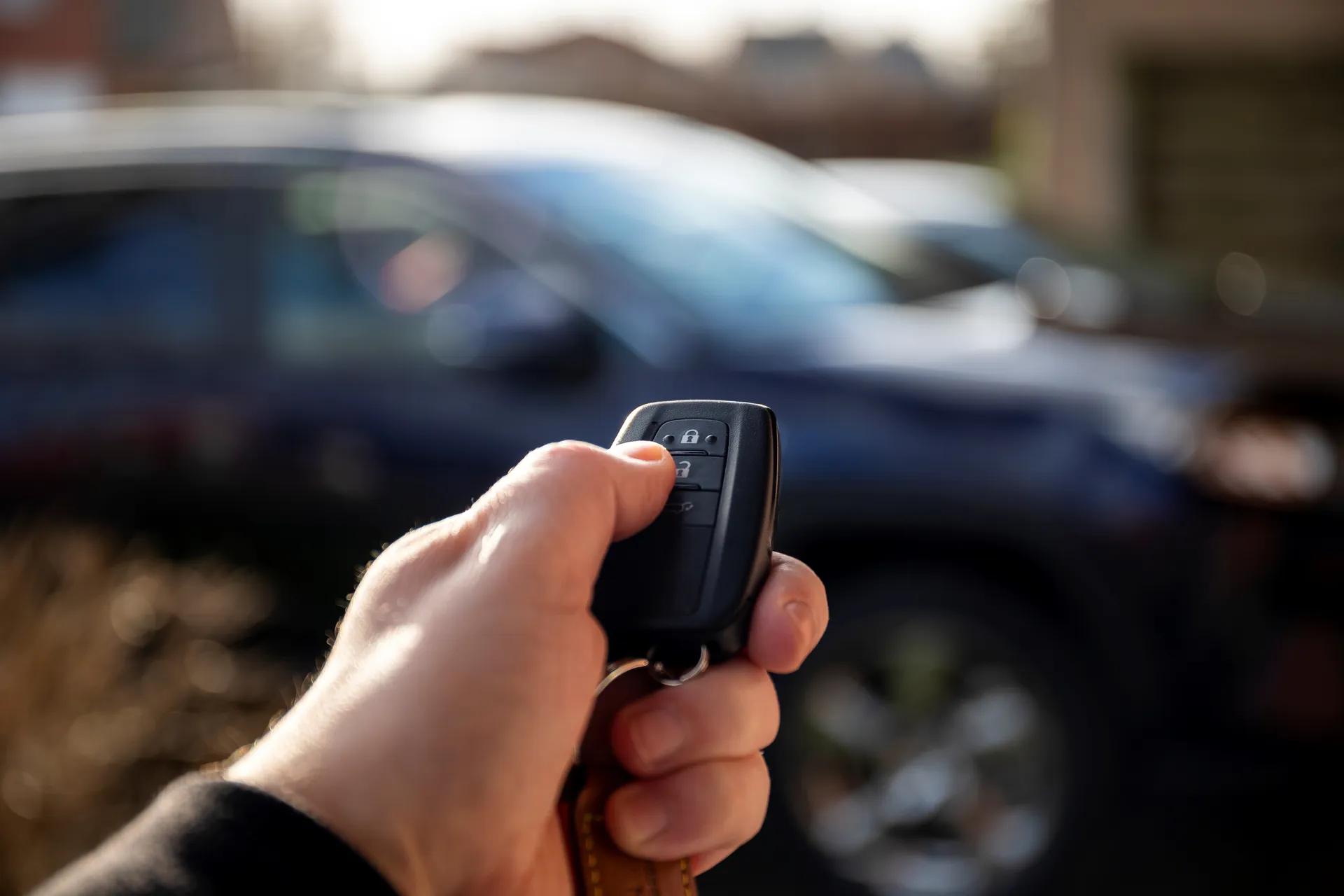
· Intermittent Response
This is the earliest symptom you could notice before complete malfunction. In this case, car doors cannot be properly locked or unlocked at times.
· Buzzing or Grinding Noise
A door lock actuator is essentially an electric motor made up of gears and other mechanical parts. If you hear strange noises like “rat-a-tat-a-tat” sounds, it’s an indicator that parts within actuators are worn out due to increased resistance.
· Door Warning Light Staying on
The door warning light on the car dashboard indicates whether the door has closed. If you’ve closed the door but the light doesn’t turn off, the issue could be a faulty door lock actuator assembly, the latch switch, or a defective wiring problem.
How to Replace a Door Lock Actuator Step by Step
Basic removal tools: trim panel removal tool, small pry bar, screwdrivers with different tips
Car Door Structure: From the outer door to the inner, you can see four layers: (1) exterior door handle, (2) door latch assembly and actuator with rods or cables, (3) door panel insulation, (4) interior door handle. Replacing a door lock actuator may be tricky, as it requires removing all the fasteners and plastic clips of related parts.
Step 1: Disconnect the Car Battery
Before replacing any electrical parts, disconnect the battery to prevent electrical shock or short circuits. Next, you should remove the actuator wiring harness and electrical connectors.
·Stop the engine and open the hood.
·Loosen the clamp nuts with a screwdriver.
·Disconnect the negative cable and then the positive cable from the battery.
·Loosen the battery hold-down clamp and remove the battery.
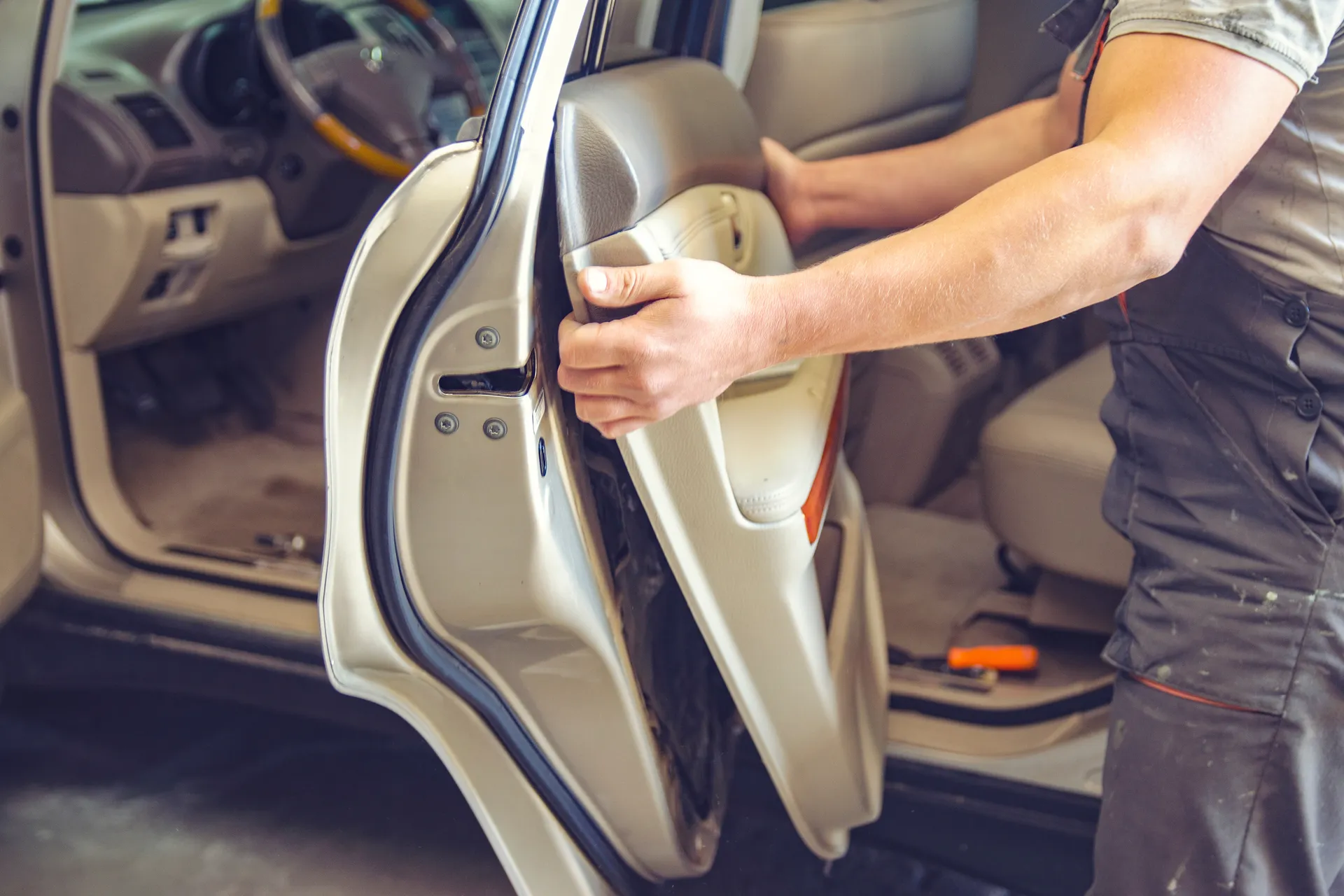
Step 2: Remove the Door Panel
The door panel is connected to the window regulator and switch wiring harnesses.
·Use a screwdriver to disconnect the fasteners of the door panel where the actuator is located.
·Disconnect the window regulator and motor’s harnesses.
Step 3: Peel the Insulation
A layer of insulation sits between the door panel and internal door parts, protecting against moisture exposure and sound. Keep your insulation intact to maintain its effectiveness after reinstallation.
· Remove insulation’s fasteners.
· Peel enough insulation to access the door handle.
Step 4: Disconnect the Wiring Harness from the Door Lock Actuator
In most modern cars, the actuator‘s wiring harness connects to the body control module (BCM).
· Pull out the clip.
· Disconnect the wiring harnesses to avoid snapping the plug.
Step 5: Disconnect the Rods or Cables
Rods or cables are connectors between door handles and the door latch or lock assembly. In most cars, the actuator engages the two or three rods to maneuver the door handle.
·Use a pick or flat blade screwdriver to remove the rod clip
·Pull the second rod back from the actuator.
·Set these rods or cables aside to reinstall them in the new actuator
Step 6: Remove the Door Actuator and Latch
After the rods or cables are removed, you can remove the door actuator and latch assembly.
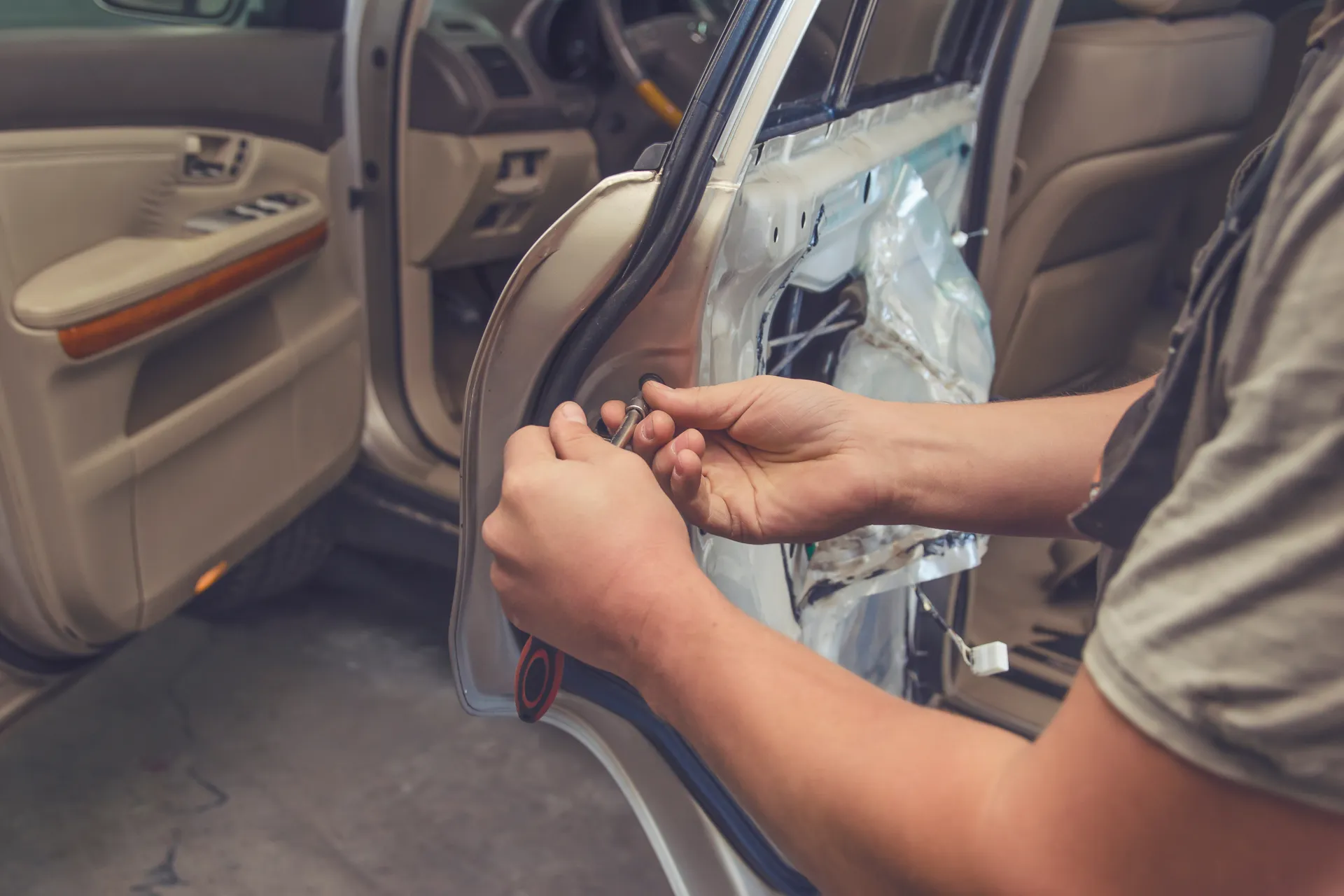
Step 7: Reinstall the new Door Actuator
·Reinsert the rods into a new door actuator and secure it with clips.
·Reinstall the ends of the rods to the interior door handle and the exterior door handle
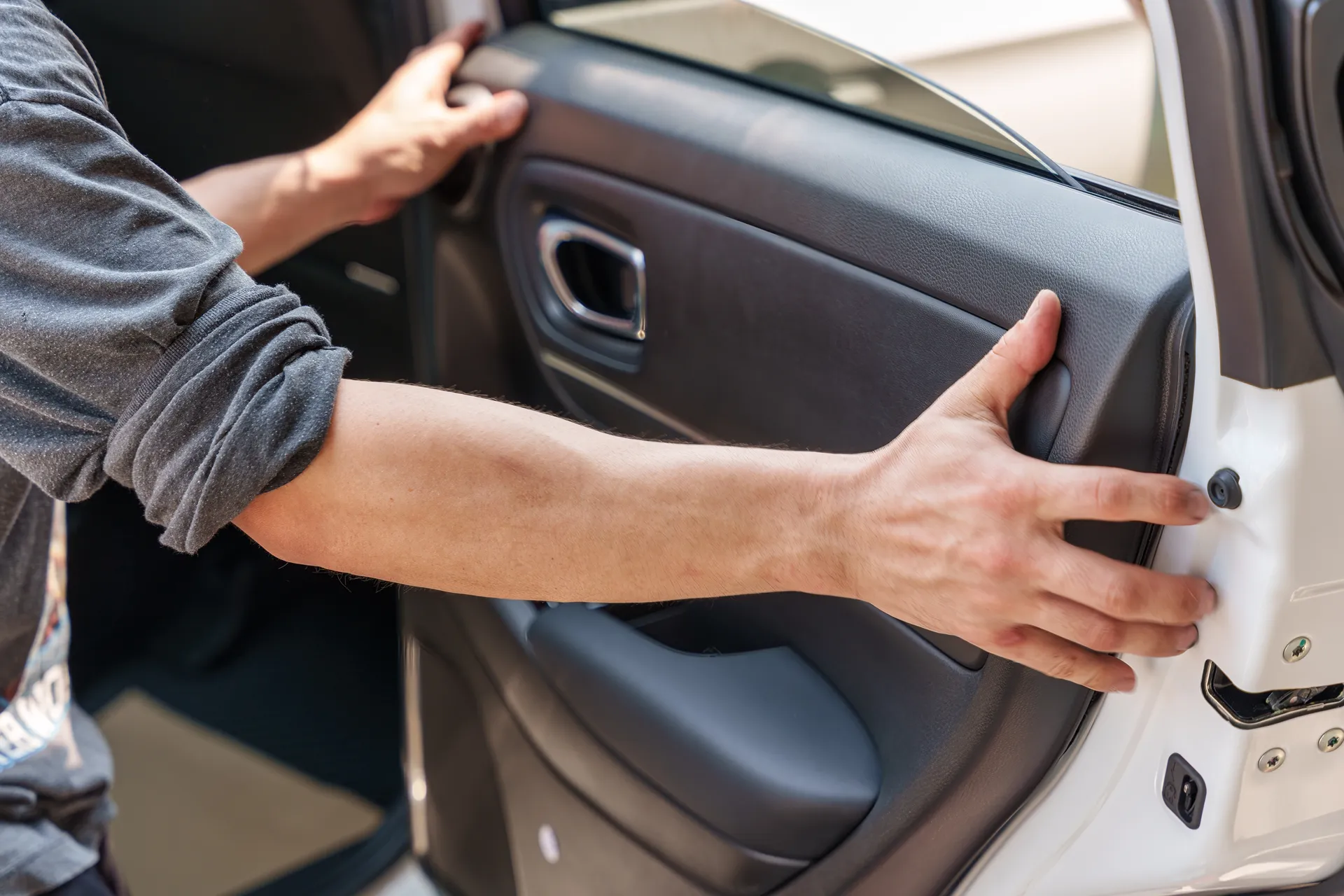
Step 8: Reassemble the Related Parts
·Reconnect the wiring harness to BCM, window switches, and regulators.
·Reinstall the fasteners of the insulation and the door panel.
Step 9: Reconnect the Battery
·Connect the positive cable first and then the negative cable.
·Secure the cable clamps.
·Clean up your tools and close the hood.
Step 10: Test the Function of the New Door Lock Actuator
Try locking or unlocking the car door. Test these tips below:
·The door opening warning light changes.
·Consistent operation.
·Doors that promptly respond to your commands.
Conclusion
Aftermarket door lock actuators today can nearly restore original factory performance. When installed correctly, a premium actuator responds effectively to your locking and unlocking commands. After replacement, regular inspection is essential to ensure the long-lasting durability of the door lock actuator.
FAQ
Can I Drive with a Bad Door Lock Actuator?
Yes. A failed door lock actuator does not directly affect how you drive, but it may cause inconsistent locking and unlocking. You have to lock/unlock the car manually and put up with the actuator noise; in rare cases, the door may fail to lock properly, increasing security risks. So, replacing the door lock actuator as soon as possible is recommended.
How Much Does the Door Lock Actuator Replacement Cost?
The cost of a door lock actuator ranges from $20 to $200, while labor costs are often two or three times that of the part. The total replacement cost depends on your car’s make and model: a more advanced electronic locking system requires higher parts and labor costs.
How Often Do You Replace a Door Lock Actuator?
A door lock actuator generally lasts between 5 and 10 years, depending on your driving habits and climate.
How Long Does It Take to Replace a Door Lock Actuator?
On average, replacing a door lock actuator takes 1-1.5 hours per door. However, if some vehicles—especially certain Audi, BMW, and Toyota models—require drilling, rivets, or specialized tools, you should be familiar with the door panel’s structure before replacement.
How to Prevent Future Issues with Door Lock Actuators
Regular inspection and timely replacement of related parts can ensure the actuator’s durability. For example:
·Check the door’s insulation layer for damage.
·Inspect the wiring harness for wear.
·Install the door and components properly.
In addition, avoid repeatedly pressing the button as this can place unnecessary strain on the actuator motor.
Related Article
How to Replace An AC Compressor: A Comprehensive Replacement Guide
Replace the bad AC compressor to restore its cooling performance.
May 05, 2026

How Often to Change Cabin Air Filter on a Honda Civic
Inspect your cabin air filter for common signs and replace it using this guide.
May 23, 2026
How to Install Timing Belt: Step-by-Step Guide
Remove a belt? Align with two timing marks? Release the tension? Read this guide before replacement
Jun 01, 2026