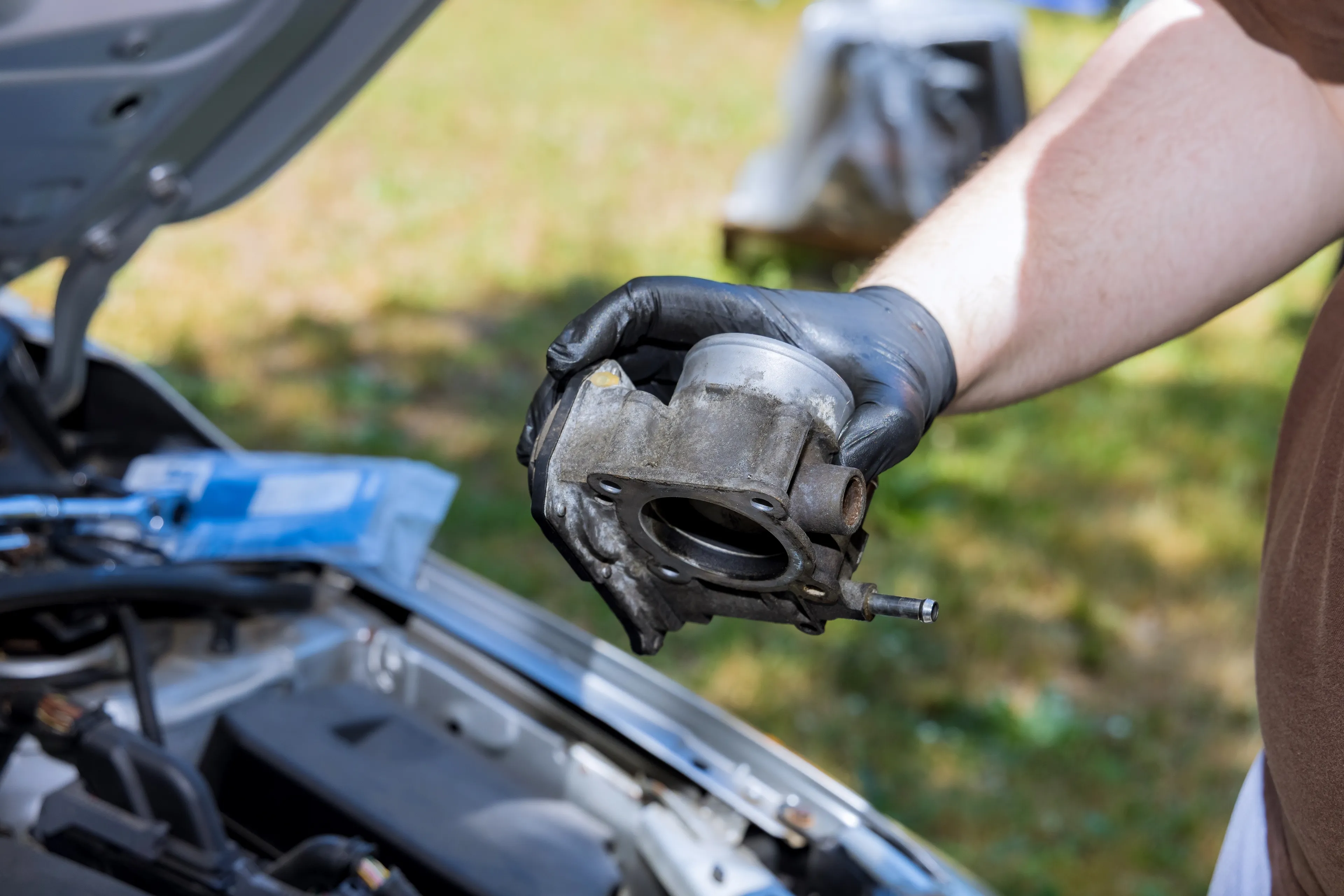
Should I replace the throttle body? And if so, how do I replace it correctly? If you have already cleaned the part but the problems remain, replacement is often the next step. It’s a DIY-friendly task with basic hand tools. Before you get started, though, there are a few details that can save you time and help you avoid common mistakes.
How to Diagnose If You Need to Replace a Throttle Body
Sometimes, cleaning the throttle body does not resolve the symptoms. This leaves you wondering if the throttle body is really the problem. Not necessarily. A hose cracking or other intake system problems may cause similar issues. A few simple checks can help you determine the real problem.
What are the Signs of a Bad Throttle Body
Start by checking for the following signs of a faulty throttle body: severe rough idle, poor acceleration, or even engine stalling.
If you have cleaned the throttle, the engine response doesn’t improve. The problem is more than carbon buildup. In many cases, a bad throttle body will also trigger the check engine light in the dashboard, along with the symptoms above.
Bad Throttle Body vs Dirty Throttle Body
If you haven't cleaned the throttle body yet, don't assume it needs to be replaced. In many cases, cleaning the throttle body is much easier than a replacement. And professional mechanics often inspect the carbon buildup as a routine measure. If you're unsure, take a few minutes to check if it’s actually faulty or simply dirty.
|
Symptoms |
Dirty Throttle Body |
Bad Throttle Body |
|
Rough idle |
Mild |
Severe, often persistent |
|
Poor acceleration |
Slight hesitation |
Noticeable loss of power |
|
Throttle response |
Delayed |
Erratic or unresponsive |
|
Stalling |
Usually occasional |
More likely, especially under load |
|
Check engine light |
Possible |
Much more common |
|
After cleaning |
Usually improves |
Little or no improvement |
How Hard Is It to Replace a Throttle Body?
It’s beginner-easy for most car owners. Typically, this takes 30 minutes or 60 minutes, even less than 30 minutes if the throttle body is easy to access. The overall difficulty varies by specific vehicle layout. For most vehicles, you’ll only need a few basic hand tools. In some cases, you need to disconnect cables or remove other intake components to gain enough working space. And be careful about coolant leakage if the coolant lines connect to the throttle body.
Where Is the Throttle Body Located?
The electronic throttle body is often located between the intake hose and intake manifold. Open the hood and find a large black intake hose. Following the hose towards the engine, you can reach the metal housing, and it's the throttle body.
Although older vehicles may use a cable throttle body instead of an electronic one, they are mounted in the same location.
Tools and Parts You’ll Need
· 8mm, 10mm socket set: the required size depends on your vehicle.
· Torque wrench
· A flat-bladed screwdriver: some specific vehicles use it to disassemble the clamp screw.
· A new throttle body gasket: common gasket types include O-rings or metal gaskets. The replacement gasket should be made from the same material as the original.
· A drain pan and pinch-off pliers: if your throttle body is attached to coolant hoses.
·A replacement intake hose: if the inner builds up dirt or residue, replace it in the process.
How to Replace a Throttle Body Step by Step
Preparation-Disconnect the Battery
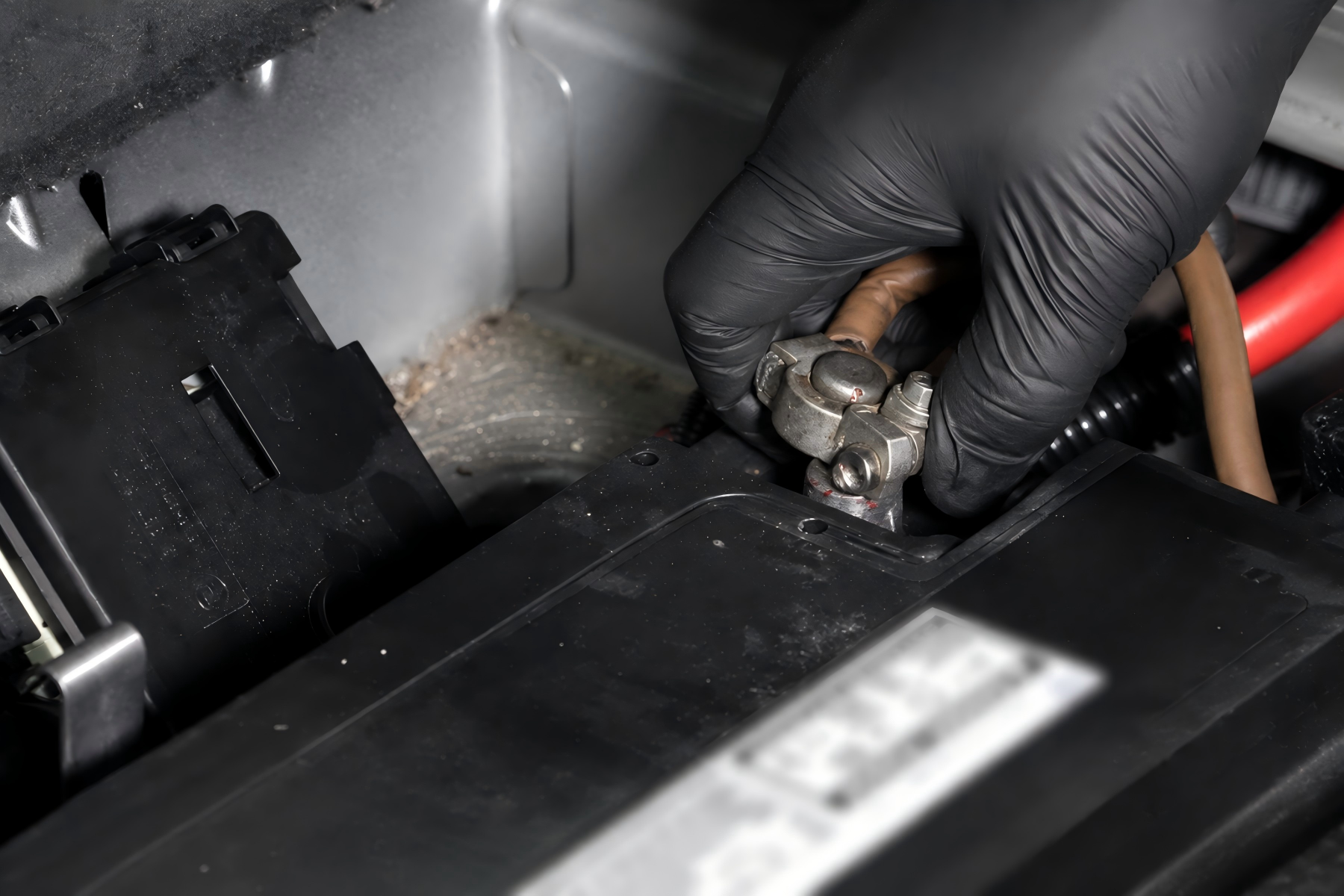
Before starting the repair, you need to disconnect the negative terminal. In many cases, you need to remove an electronic throttle body or disconnect the separate TPS, which is mounted on the throttle body. It helps reduce the risk of accidental short circuits, especially when you’re working with electrical connections.
Remove Air Intake Hose
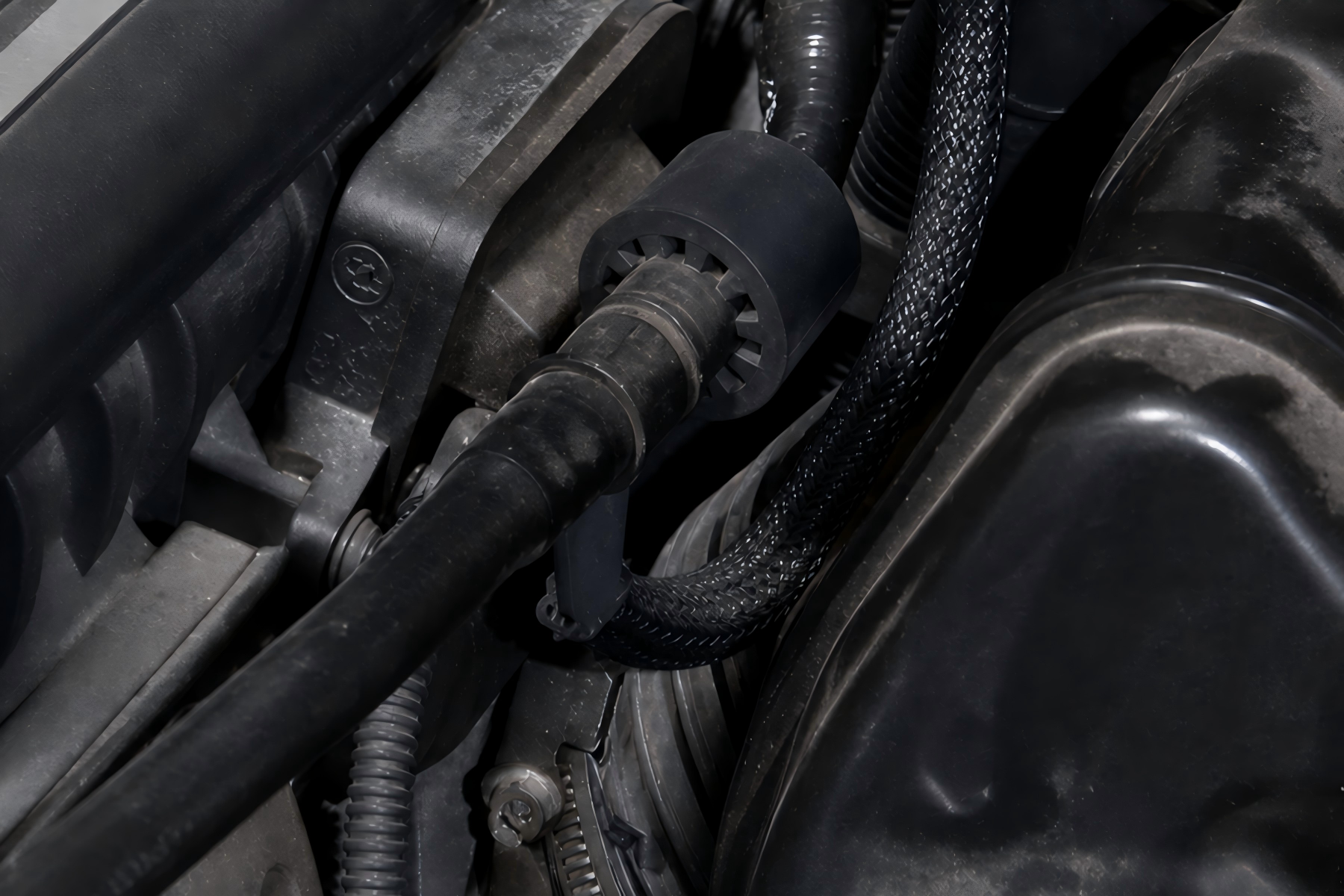
You can follow the air intake hose to locate the throttle body. Use a socket set and flat-bladed screwdriver to remove the bolts or fasteners that connect the throttle body to the hose assembly.
Disconnect the Electrical Connector or Cables
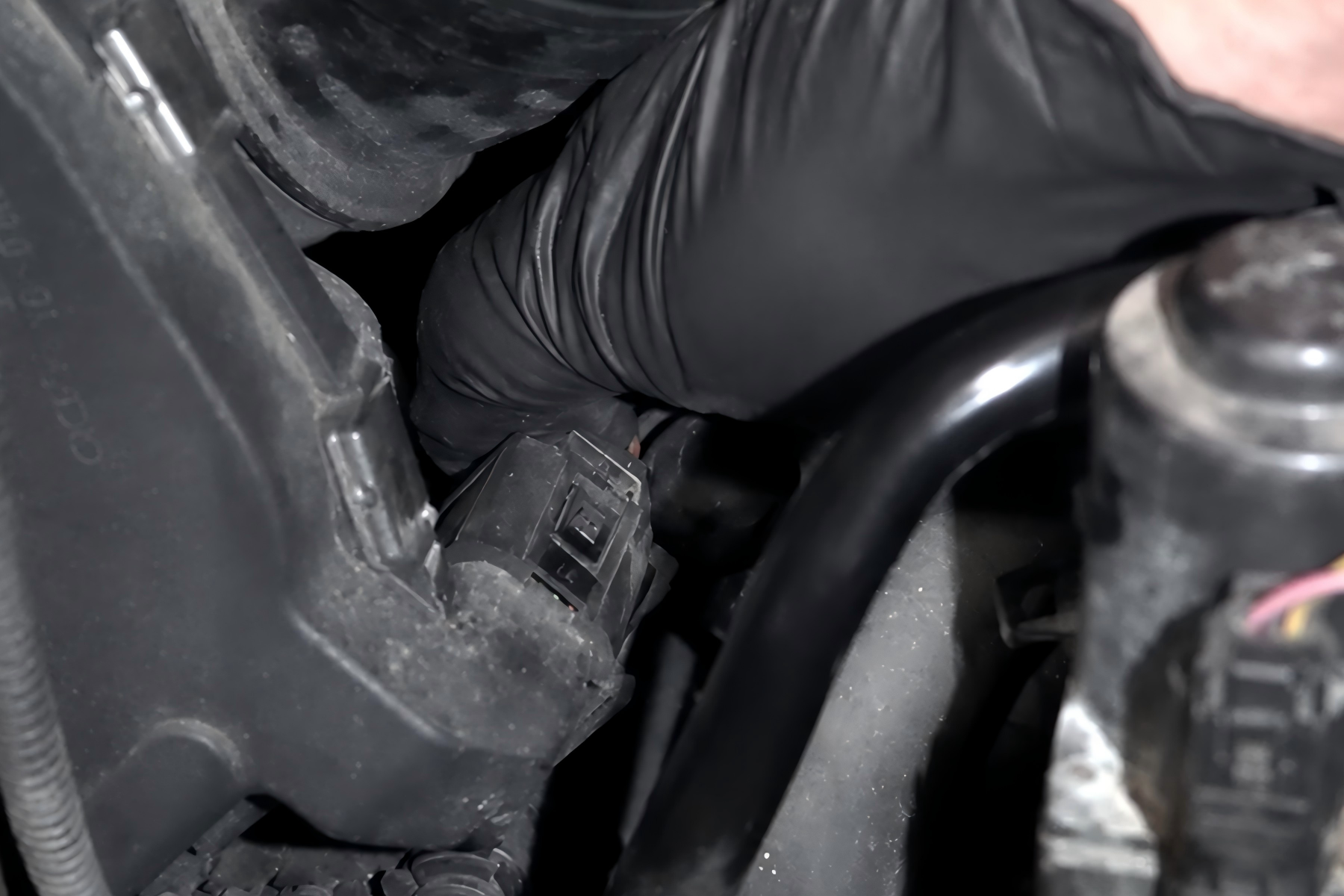
For some vehicles with electronic throttle bodies, this part is connected to the ECU through electrical wiring. Press the tab and carefully pull the plug out.
For another cable-operated throttle body, you need to open the throttle valve to the full, and then to remove the cable, clips, brackets, or springs.
Disconnect Coolant Hose
Some early 1990s vehicles connected the coolant hose to the throttle body, like Toyota engines 4A/5S/1MZ. You can use pinch-off pliers or a drain pan to prevent coolant leakage.
If using pliers, gently clamp the coolant hose near the connection point. Then, remove the hose clamp, twist and remove the hose.
When you use a drain pan, place it underneath the throttle body to catch the coolant. Remember to refill the coolant after replacement.
Unbolt the Throttle Body
You should use a socket wrench to remove bolts, following cross-removal. Carefully put them aside. If they’re in good condition, you can reuse them during the installation.
Gently wiggle the throttle body and pull it away from the intake manifold.
You can check the gasket for corrosion and wear and replace it if necessary.
Install a New Throttle Body
The replacement throttle body should match the original specifications and size. Make sure it’s compatible with your vehicle. Put the gasket on the manifold surface and place the throttle body into the position. Then hand-tighten the bolts to secure the throttle body.
Now, you can use a torque wrench to tighten the bolts one by one. Don’t overtighten, and don't forget any bolt.
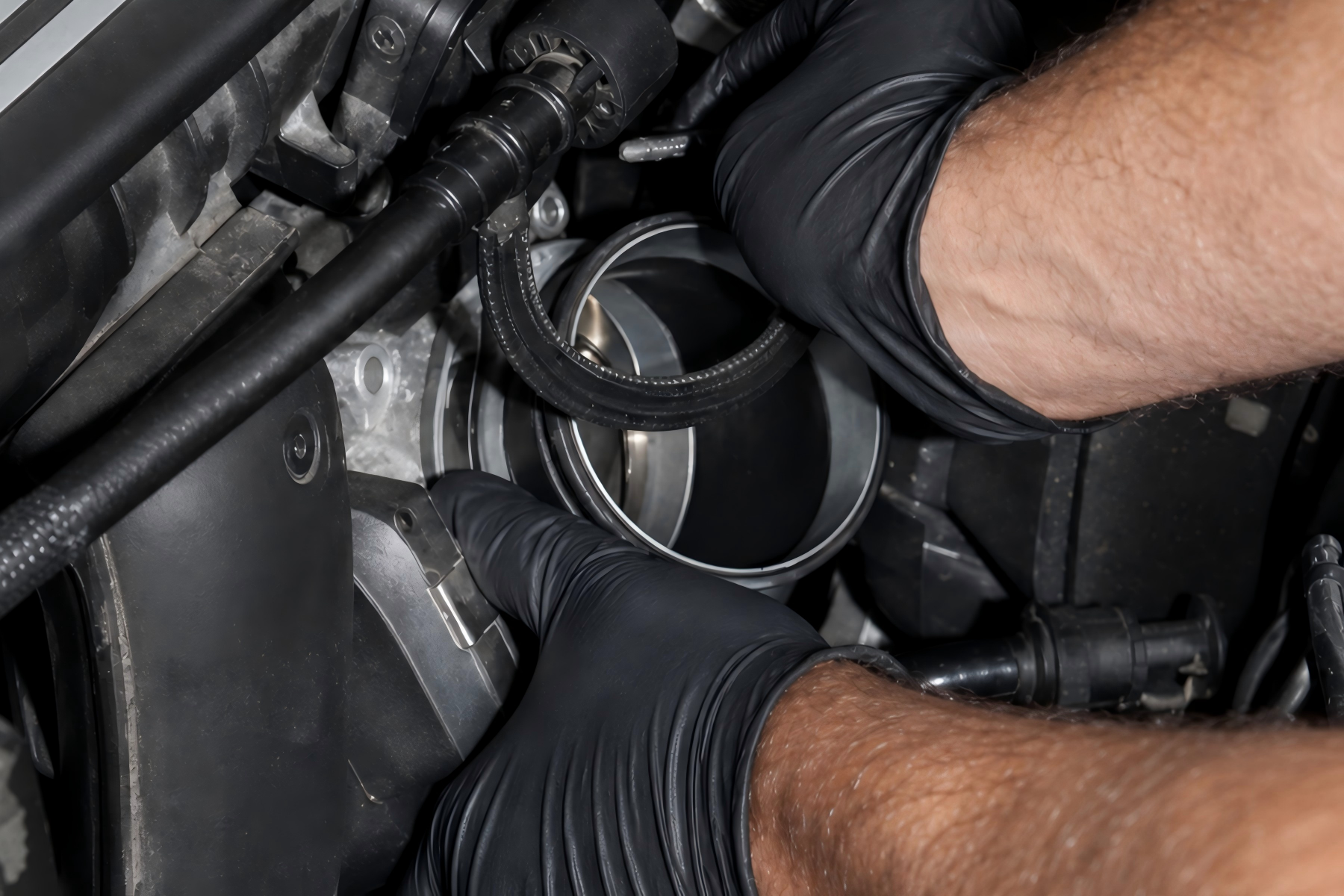
Reconnect the Electrical Connectors or Cables.
For electronic connectors, press all the plugs and TPS that you removed.
For a cable-operated throttle body, you need to reinstall cables, clips, brackets, or springs.
Reconnect the Battery and Test the Function
After you connect the battery negative terminal, simply test the function. Finally, you may need to perform an ECU relearn for an electronic throttle body after replacement.
For a cable-operated throttle body, you only need to press the accelerator pedal and visually check whether the throttle plate opens and closes smoothly.
Conclusion
Replacing a throttle body is usually a straightforward repair. However, proper diagnosis, choosing a throttle body that fits your vehicle, the right tools, and careful installation are still important. Following the correct replacement steps can help you complete the job more efficiently. Taking the time to diagnose the problem correctly can also help you avoid unnecessary repairs and make the replacement process smoother.
Related Article
How to Replace Door Lock Actuators: A DIY Step-by-Step Guide
A closer look at door lock actuator faults and the replacement process.
Feb 27, 2026
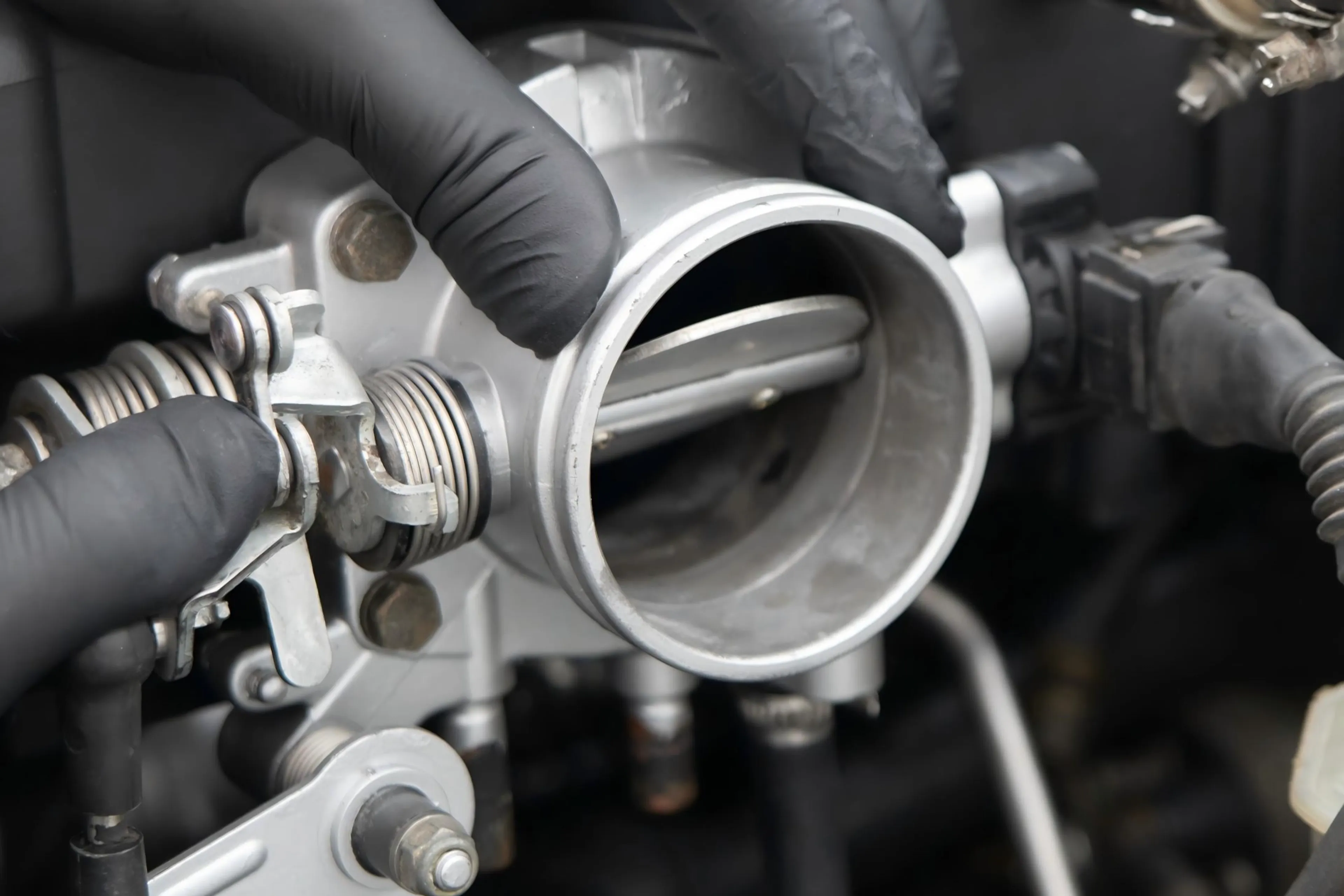
6 Common Symptoms of a Bad Throttle Body
Rough idle, low engine RPM, or reduced fuel efficiency? Check if the throttle body fails.
Mar 14, 2026
How to Replace an AC Compressor Safely: A Step-by-Step Guide
Replace the bad AC compressor to restore its cooling performance.
May 05, 2026
How Often to Change Cabin Air Filter on a Honda Civic
Inspect your cabin air filter for common signs and replace it using this guide.
May 23, 2026